
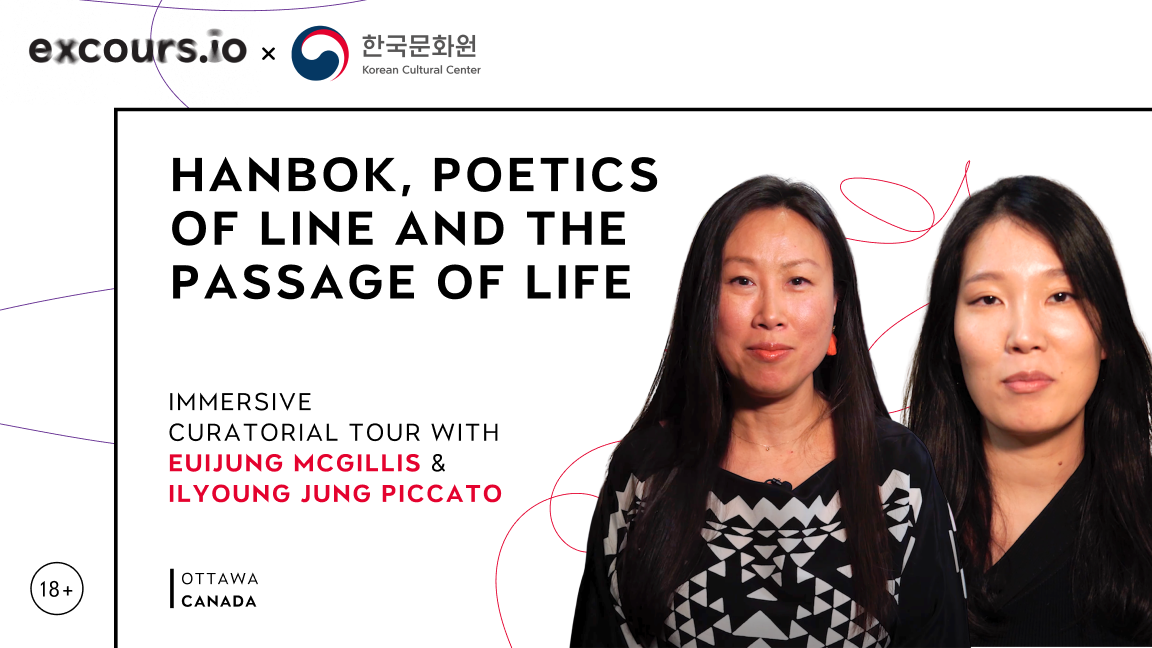
Hanbok, Poetics of Line and the Passage of Life
 Canada
 Ottawa
 2021
2021
 19
19
The exhibition Hanbok, Poetics of Line and the Passage of Life presents the story of traditional Korean attire, tracing its cultural significance and transformation through time. With a basic style originating in the Three Kingdoms period (37 BCE – 668 CE), the Hanbok shown primarily reflects that of the Joseon dynasty (1392 – 1910). The exhibition explores how this clothing embodies Korean ancestral values, worldview, and reverence for nature through its use in life’s milestone ceremonies and its symbolic colours derived from Yin-Yang theory. Curated by EuiJung McGillis, the presentation showcases items from a baby’s first birthday dress to royal robes, alongside modern reinterpretations by early twentieth-century shinyeoseong (new women). Visitors will discover Hanbok as a transmitter of tradition and a dynamic symbol of Korean identity in a global context.
Why should you watch this?
Hanbok, Poetics of Line and the Passage of Life resonates today because it frames clothing as both a vessel of memory and a mirror of change. The exhibition’s display of the Obangjang durumagi, alive with five elemental colors, reminds us of humanity’s search for balance with nature at a time when sustainability is a global concern. Equally striking are the “new women” who reshaped Hanbok to claim individuality during Korea’s modernization — a gesture that still feels bold and liberating. This exhibition shows that tradition is not fixed but evolving, offering viewers a timeless reflection on identity, resilience, and creativity.

Whispers of the Forest
Canada
Ottawa
2025
8
The exhibition Whispers of the Forest presents a playful, interactive world where contemporary Korean art explores themes of nature, community, and coexistence. This immersive installation, designed especially for children and families, addresses pressing modern issues like rapid urban development, environmental loss, and displacement. The gallery becomes a forest playground featuring works by artists Um A Long, who creates sculptures from discarded materials, and Haksoon Hong, who brings his vibrant Wink Tokki World to life through murals and animations. Visitors are encouraged to engage directly with the art, moving beyond passive viewing to reflect on sustainability and our relationships with others. The experience prompts us to imagine a future where all beings can live and grow together in harmony.
Why should you watch this?
The film Whispers of the Forest asks what it means to share a world at a moment when climate change and rapid urban growth unsettle familiar ways of living. Um A Long’s sculptures, shaped from discarded materials, echo the resilience of creatures adapting to damaged environments, while Haksoon Hong’s Wink Tokki characters invite us into a universe where play and friendship make coexistence possible. Together, these voices create a mood that shifts between unease and delight, reminding us that survival and joy are intertwined. The film ultimately leaves viewers with a simple yet urgent question: how do we choose to live together?
HOW TO SURVIVE ― Art as Survival Strategy | with Paula Schwerdtfeger
Germany
Hanover
2020
34
The group exhibition presents a compelling exploration of how art provides resilience in times of personal and societal crisis. The exhibition features works by renowned artists like Gustav Metzger, Shusaku Arakawa, and Alina Szapocznikow, each of whom faced extreme adversity and transformed their experiences into profound artistic statements. Whether addressing environmental destruction, illness, or existential threats, these artists used creativity as a means to survive and challenge the limits of human endurance. The exhibition emphasizes the power of art to propose alternative perspectives when the world seems trapped in binary thinking. By engaging with radical artistic responses to crisis, visitors are invited to reflect on how creativity can offer strength, hope, and new possibilities for navigating the uncertainties of modern life. Art, in this context, becomes more than expression — it becomes a strategy for survival and transformation.
Why should you watch this?
The exhibition tackles pressing issues like climate change, personal trauma, and social upheaval, and having a knowledgeable guide helps to bring those themes to life. It’s not just about admiring the art; it’s about understanding the stories and survival strategies that inspired each piece. This context makes the art resonate even more, helping you connect with the messages in a meaningful way. In a time when we’re all looking for ways to navigate challenges, a guided tour offers fresh insights that can spark reflection and inspire hope.
Katrin Nenasheva. Between Here and There: Stories of City Isolations
Russia
Moscow
2017
50
Between Here and There: Stories of Urban Isolation is an exhibition by Katrin Nenasheva that explores the lives of individuals permanently isolated in psychiatric institutions. In her performance, Nenasheva traversed city streets wearing virtual reality glasses displaying panoramic images from these institutions, highlighting the barriers that separate their world from ours. She engaged with the public in various locations, including the subway and Red Square, inviting them to experience her perspective and share the motivations behind her work. The exhibition presents documentation of her journey, allowing visitors to engage with virtual reality themselves, fostering a dialogue between “here” and “there.” This immersive experience encourages reflection on societal isolation and connection.
Why should you watch this?
Katrin Nenasheva’s exhibition Between Here and There: Stories of Urban Isolation offers a profound exploration of the often-overlooked lives of individuals in psychiatric institutions. By donning virtual reality glasses that display panoramic views of these spaces, Nenasheva creates a striking connection between the isolated and the public, inviting visitors to step into her shoes as she navigates familiar urban landscapes. This immersive performance, paired with documentation of her interactions in locations like the subway and Red Square, blurs the lines between separation and engagement. Through this unique experience, attendees are encouraged to confront their perceptions of mental health, societal isolation, and human connection, prompting vital conversations about empathy and understanding in our communities.
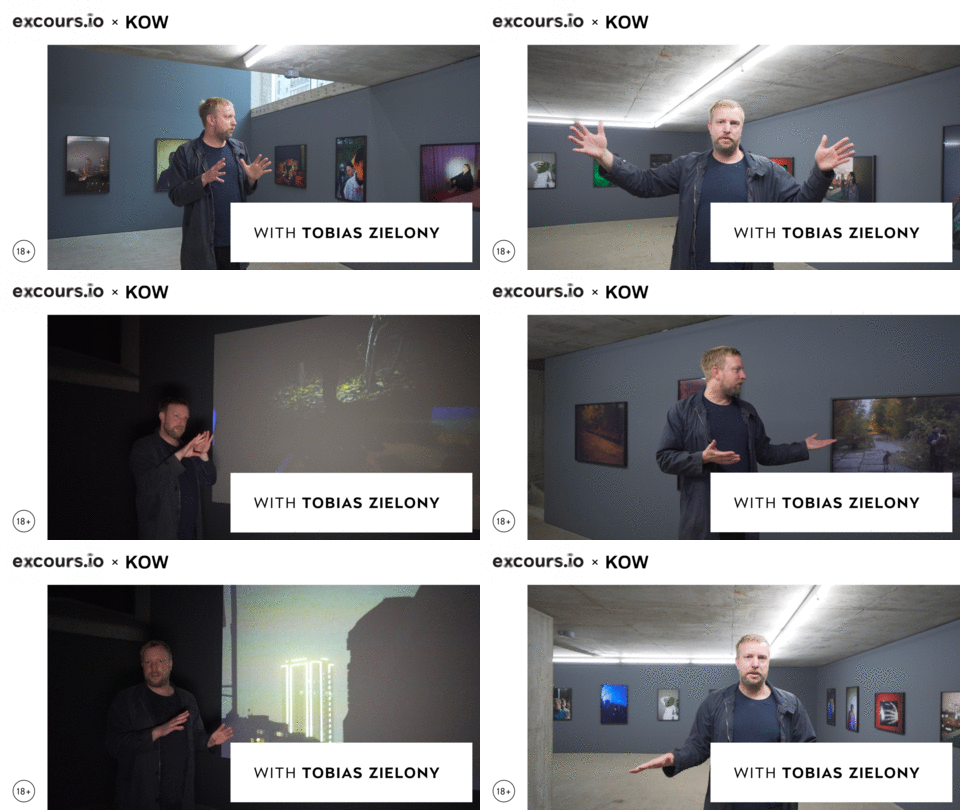
Tobias Zielony. Maskirovka [Concealment]
Germany
Berlin
2018
37
Why should you watch this?
Tobias Zielony’s “Maskirovka” is a compelling reflection on the resilience and creativity of Kyiv’s queer techno scene, resonating profoundly in today’s world marked by social and political upheaval. Set against the backdrop of the post-Maidan era, this exhibition underscores the ongoing struggle for identity and belonging in the face of repression and misinformation, themes that echo in various global contexts today. By employing the concept of “maskirovka”—a tactic of deception used in conflict—Zielony captures how both artists and activists navigate the complexities of expression and resistance. His photographs and dynamic animated film form a visual narrative that invites critical reflection on the intersection of culture, politics, and personal agency. As societies grapple with fragmentation and polarization, “Maskirovka” reminds us of the power of art to forge connections, challenge norms, and provoke dialogue, making it an essential commentary on contemporary struggles for freedom.
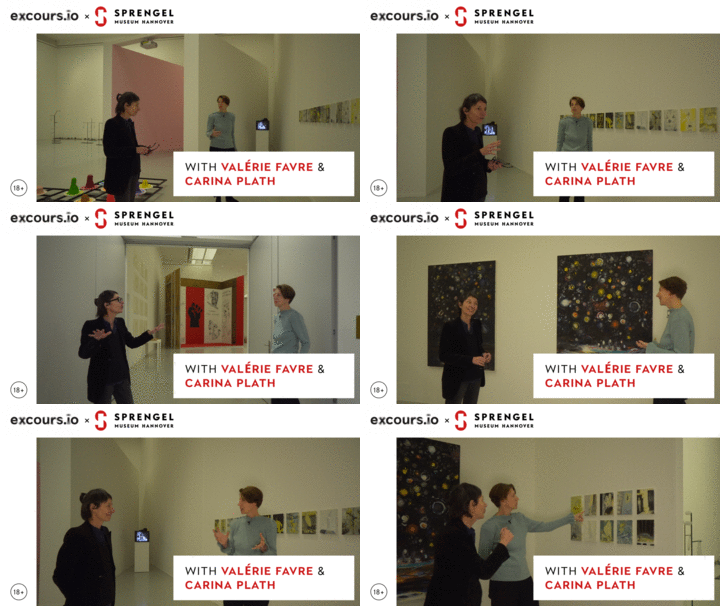
HOW TO SURVIVE ― Art as Survival Strategy | with Valérie Favre & Carina Plath
Germany
Hanover
2020
34
The group exhibition presents a compelling exploration of how art provides resilience in times of personal and societal crisis. The exhibition features works by renowned artists like Gustav Metzger, Shusaku Arakawa, and Alina Szapocznikow, each of whom faced extreme adversity and transformed their experiences into profound artistic statements. Whether addressing environmental destruction, illness, or existential threats, these artists used creativity as a means to survive and challenge the limits of human endurance. The exhibition emphasizes the power of art to propose alternative perspectives when the world seems trapped in binary thinking. By engaging with radical artistic responses to crisis, visitors are invited to reflect on how creativity can offer strength, hope, and new possibilities for navigating the uncertainties of modern life. Art, in this context, becomes more than expression — it becomes a strategy for survival and transformation.
Why should you watch this?
The exhibition tackles pressing issues like climate change, personal trauma, and social upheaval, and having a knowledgeable guide helps to bring those themes to life. It’s not just about admiring the art; it’s about understanding the stories and survival strategies that inspired each piece. This context makes the art resonate even more, helping you connect with the messages in a meaningful way. In a time when we’re all looking for ways to navigate challenges, a guided tour offers fresh insights that can spark reflection and inspire hope.
Alexander Grinberg. Movement. 1920s
Russia
Moscow
2019
53
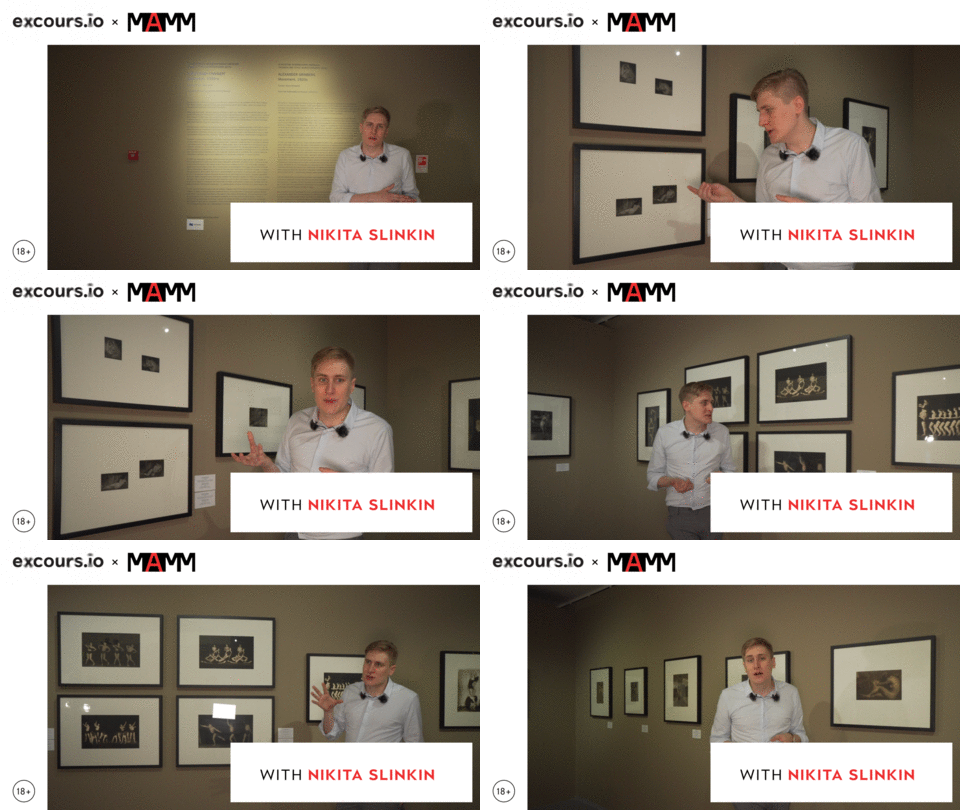
Step back into the vibrant world of the 1920s with the Movement. 1920s exhibition, which captures the revolutionary spirit and artistic innovation of this transformative decade. Celebrating a surge of creativity across visual arts, architecture, and design, the exhibit showcases how artists challenged traditional norms and embraced new mediums and themes. Through a carefully curated selection of works and engaging installations, visitors can explore the interplay between art, politics, and society during a time marked by upheaval and change. From the bold geometries of constructivism to the experimental forms of avant-garde movements, Movement. 1920s invites audiences to witness how the decade laid the groundwork for contemporary art, illuminating the ongoing dialogue between past and present in the ever-evolving landscape of visual culture.
Why should you watch this?
This exhibition features a diverse array of works that reflect the pulse of a society in transformation — bold colors, experimental forms, and a celebration of motion that captures the zeitgeist of post-war optimism. Each piece invites the viewer to engage with the revolutionary ideas that shaped modern art, making it a must-see for anyone interested in the interplay between culture and creativity. It demonstrates how artists of the 1920s broke boundaries and redefined artistic expression, leaving an indelible mark on the contemporary landscape.
“Your Feedback is Very Important for Us”
Russia
Moscow
2018
47
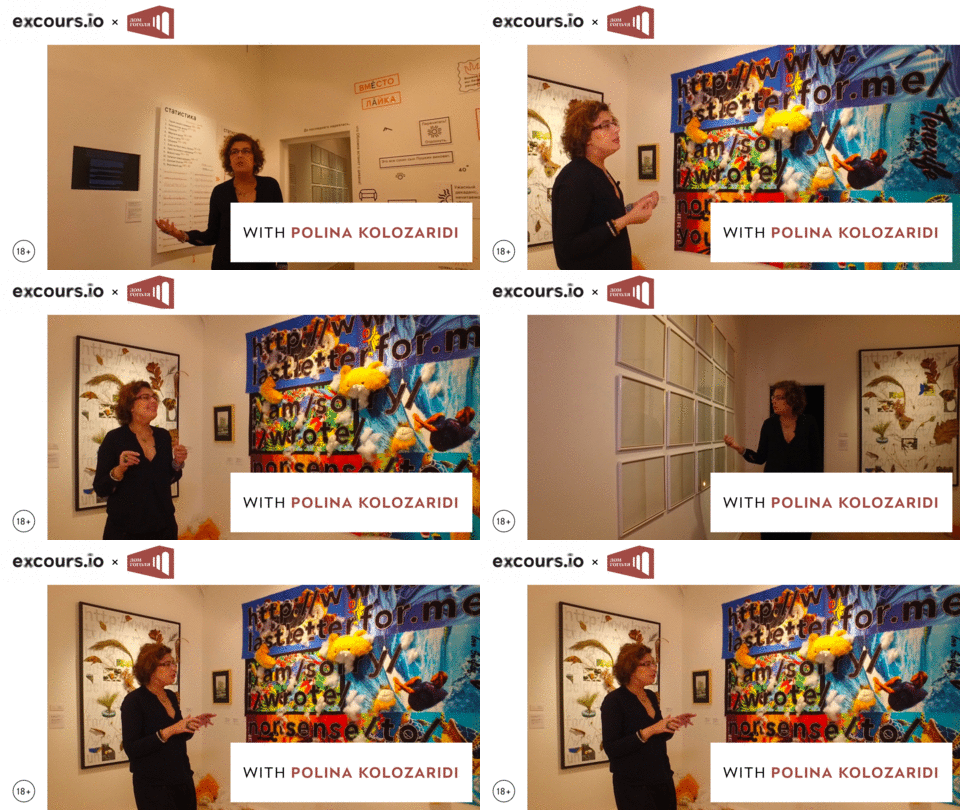
The exhibition “Your review is very important to us” delves into the evolving landscape of reader engagement with classical literature, inviting visitors to explore how expressions of opinion have transformed from the 19th century to today’s digital era. Through a compelling blend of research by philologist Anna Gerasimova and innovative works from contemporary Russian artists, the show raises thought-provoking questions about the interplay between amateur reviews and literary criticism. Viewers will experience how machine learning interprets text, engage with an audio installation that echoes voices from the past and present, and even connect Nabokov’s correspondence to modern digital discourse.
Why should you watch this?
The exhibition “Your review is very important to us” holds significant relevance in today’s digital landscape, where reader voices and online reviews have transformed the way we engage with classical literature. In an age that celebrates individual expression, the show challenges traditional hierarchies of literary criticism by emphasizing the importance of personal perspectives alongside established viewpoints. It invites us to reflect on how technology, from machine learning to social media, reshapes our interaction with texts and broadens our understanding of art and literature. By highlighting the dynamic relationship between modern readers, artists, and classical works, this exhibition not only redefines the role of the audience in literary discourse but also underscores the importance of diverse interpretations in a cultural dialogue increasingly shaped by digital platforms.
HOW TO SURVIVE ― Art as Survival Strategy | with Jean-Pascal Flavien & Carina Plath
Germany
Hanover
2020
31
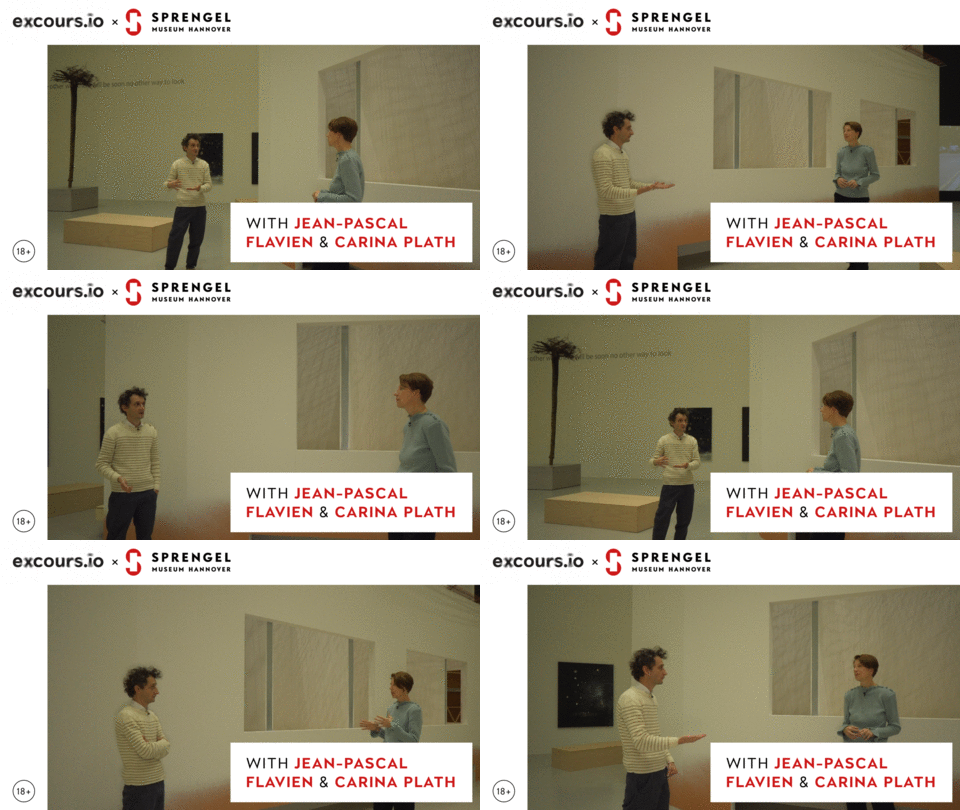
The group exhibition presents a compelling exploration of how art provides resilience in times of personal and societal crisis. The exhibition features works by renowned artists like Gustav Metzger, Shusaku Arakawa, and Alina Szapocznikow, each of whom faced extreme adversity and transformed their experiences into profound artistic statements. Whether addressing environmental destruction, illness, or existential threats, these artists used creativity as a means to survive and challenge the limits of human endurance. The exhibition emphasizes the power of art to propose alternative perspectives when the world seems trapped in binary thinking. By engaging with radical artistic responses to crisis, visitors are invited to reflect on how creativity can offer strength, hope, and new possibilities for navigating the uncertainties of modern life. Art, in this context, becomes more than expression — it becomes a strategy for survival and transformation.
Why should you watch this?
The exhibition tackles pressing issues like climate change, personal trauma, and social upheaval, and having a knowledgeable guide helps to bring those themes to life. It’s not just about admiring the art; it’s about understanding the stories and survival strategies that inspired each piece. This context makes the art resonate even more, helping you connect with the messages in a meaningful way. In a time when we’re all looking for ways to navigate challenges, a guided tour offers fresh insights that can spark reflection and inspire hope.