
Menu

  • Categories
    • Arts
    • Culture
    • History
    • Music
    • Philosophy
    • Society & Politics
    • Technology & Science
  • Collections
  • Tags
  • Institutions
  • Contributors
  • All Films
  • Random Film

About

excoursio is a free platform for immersive guided tours, turning one-time walkthroughs into lasting learning experiences. excours.io means culture for everyone, everywhere.

Stay tuned

  • instagram
  • facebook
  • linkedin
  • bluesky
  • mastodon
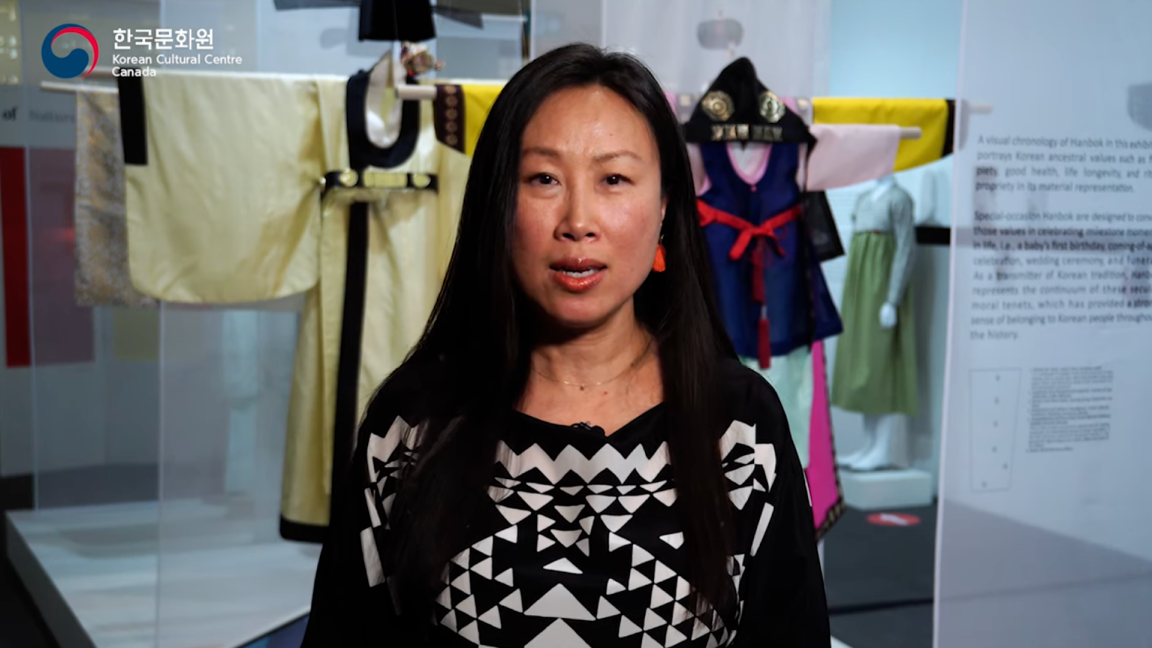
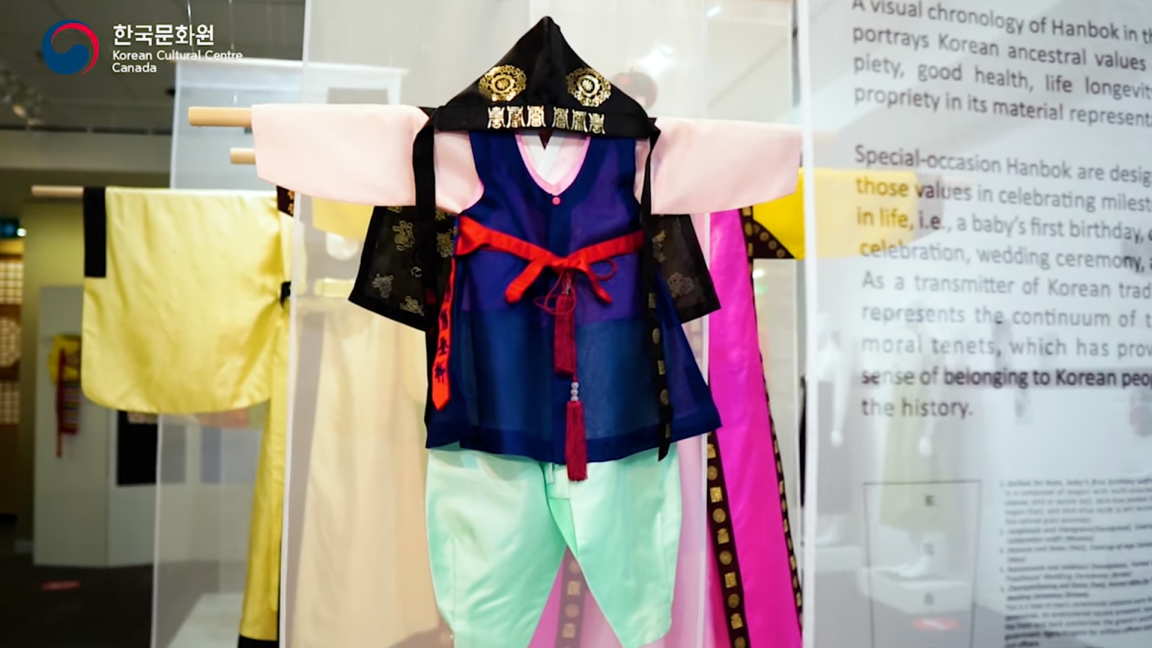
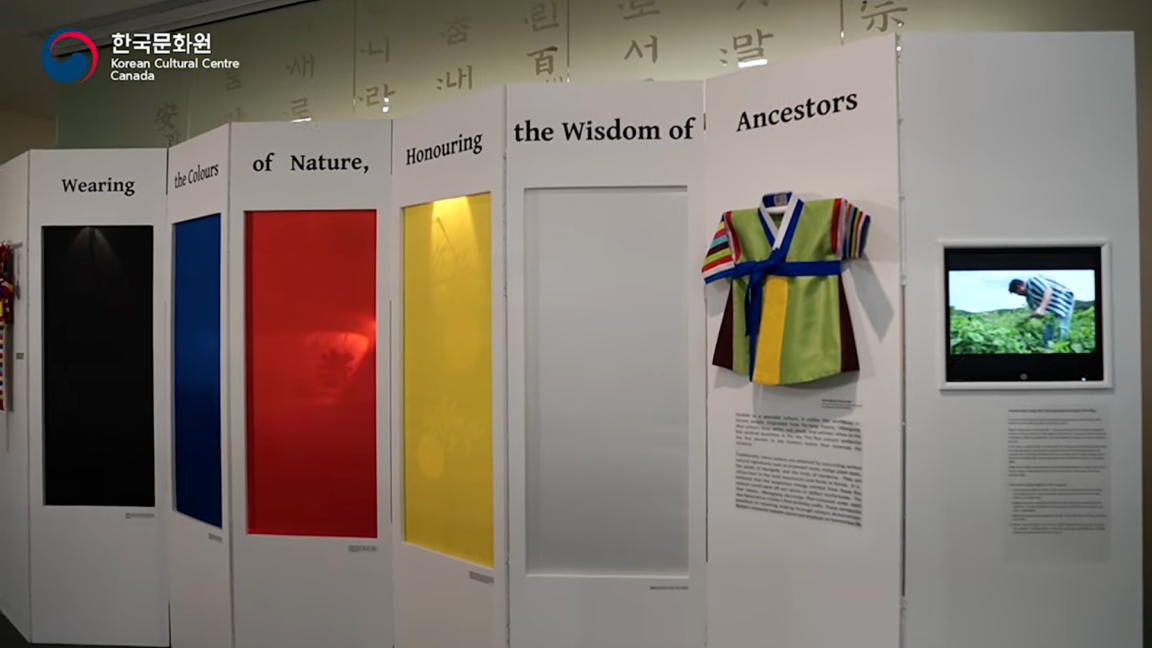
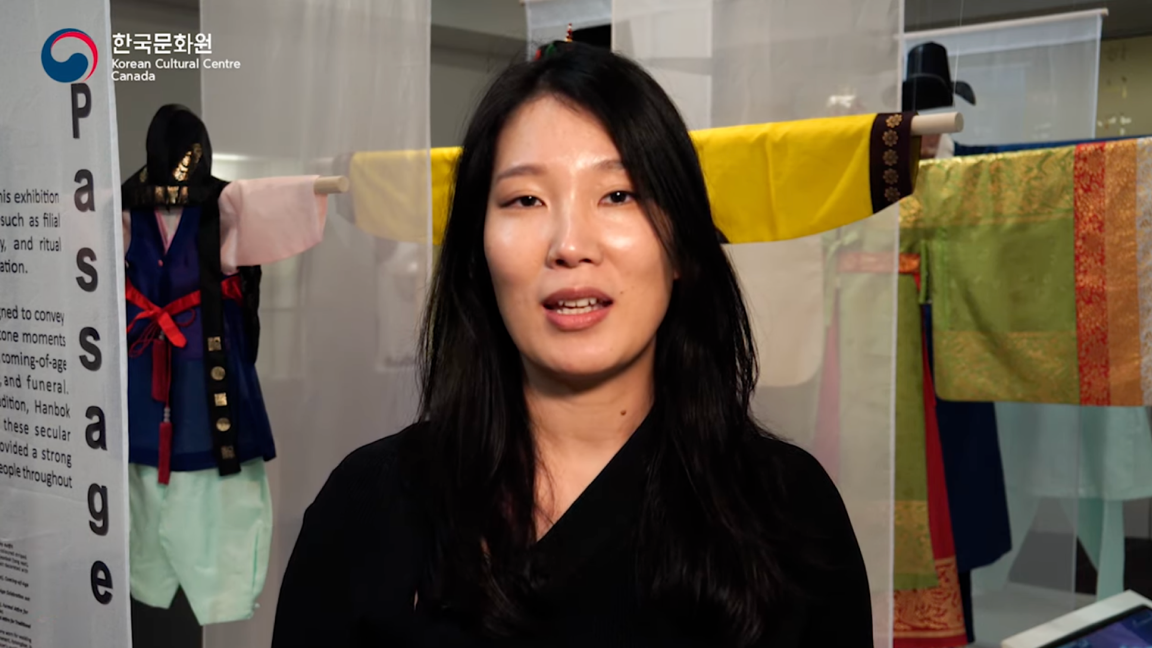
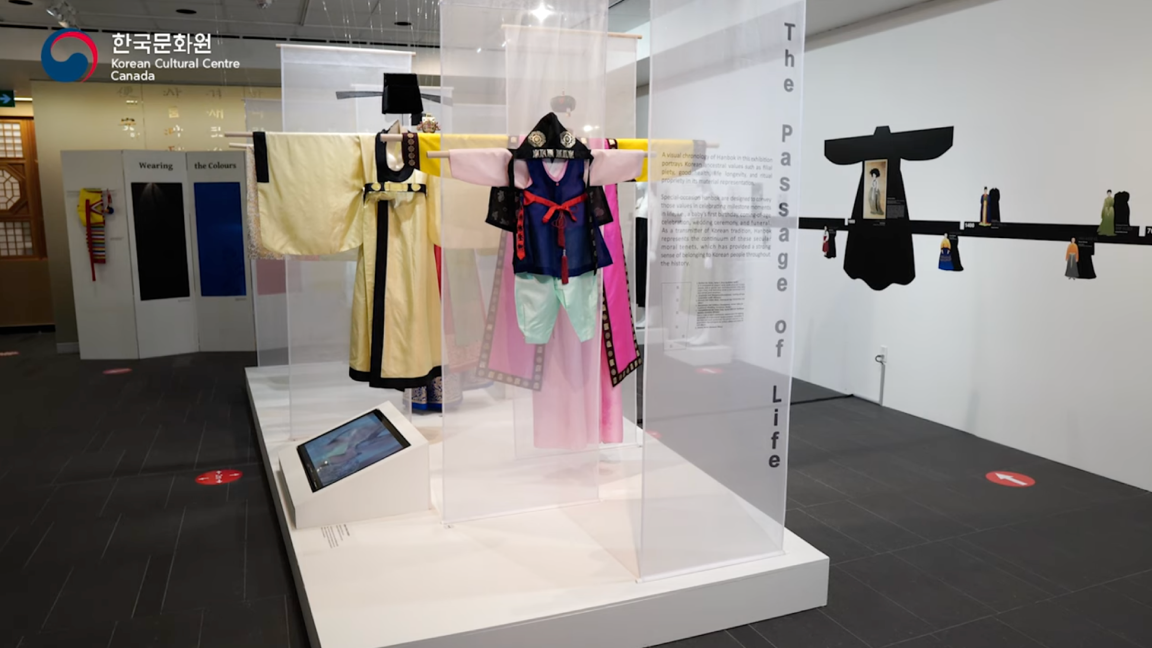
The exhibition presents Roman Babichev’s collection as a compelling exploration of Soviet modernism, challenged by decades of controversy surrounding the term due to the anti-formalist campaigns of the 1930s and Cold War ideological battles. Offering a fresh lens, the exhibition sheds light on the often-overlooked variety within Soviet art, breaking down entrenched stereotypes and revealing the interconnections among post-avant-garde communities active after the 1932 ban on creative associations. By emphasizing the nuanced expressions of these artists—whose declarations were rendered in their unique painting styles rather than explicit statements—the exhibition invites viewers to reassess the rich tapestry of Soviet artistic heritage through a symbolist perspective, encouraging a more multidimensional understanding of its evolving narrative.Unveiling the transformative journey of Protestantism, this exhibition showcases around 150 artifacts from the State Museum of the History of Religion, bringing to life the pivotal moments and influential figures, such as Martin Luther, that shaped this movement. Spanning from the 16th century to the present, it delves into the synergy between religion and culture, revealing how Protestant ideals influenced art, literature, and social change. This rich array of historical items not only contextualizes the theological underpinnings of the Reformation but also illustrates its enduring legacy in contemporary society. It is an enlightening exploration that challenges the boundaries between faith and creativity, inviting visitors to reflect on the profound impact of Protestantism on our world today.Can anger and rage be justified in a world riddled with oppression and inequality? Are these emotions destructive forces or vital catalysts for social change? As democracy faces crises and populism gains ground globally, these questions have sparked renewed debate. Contemporary artists have responded, using their work to navigate and challenge the pressing issues of our time. The exhibition ‘Time for Outrage!’ in Düsseldorf explores these questions through six thematic blocks: Right-wing Shift, Trumpism, Protest, Postcolonialism, Feminism, and Discrimination. Across a diverse range of mediums — including installations, drawings, paintings, sculptures, photography, and video art — 40 international artists immerse viewers in the visceral realms of protest, social dissent, and public anger. The exhibition doesn’t just present anger as a raw emotion; it portrays it as a vehicle for dialogue, resistance, and empowerment in the face of systemic injustice. A substantial portion of the works on display come from the collection of entrepreneur and collector Florian Peters-Messer, whose commitment to socially engaged art amplifies the urgent messages these pieces convey.This innovative exhibition reimagines the traditional museum experience through the lens of dance and choreography, inviting audiences to become active participants in the artistic dialogue. It foregrounds the unpredictable interplay between viewer movement and static artworks, showcasing how personal histories, cultural contexts, and physical presence transform the museum into a living, dynamic space. By exploring the nuances of how we look at and engage with art, the exhibition challenges visitors to reflect on their own movement and interactions within the gallery. This exhibition is a thought-provoking exploration of the embodied experience of art, making the viewer an integral part of the creative narrative.The exhibition Hanbok, Poetics of Line and the Passage of Life presents the story of traditional Korean attire, tracing its cultural significance and transformation through time. With a basic style originating in the Three Kingdoms period (37 BCE – 668 CE), the Hanbok shown primarily reflects that of the Joseon dynasty (1392 – 1910). The exhibition explores how this clothing embodies Korean ancestral values, worldview, and reverence for nature through its use in life’s milestone ceremonies and its symbolic colours derived from Yin-Yang theory. Curated by EuiJung McGillis, the presentation showcases items from a baby’s first birthday dress to royal robes, alongside modern reinterpretations by early twentieth-century shinyeoseong (new women). Visitors will discover Hanbok as a transmitter of tradition and a dynamic symbol of Korean identity in a global context.
Toggle sidebar & navigation
  • Categories
    • Arts
    • Culture
    • History
    • Music
    • Philosophy
    • Society & Politics
    • Technology & Science
  • Collections
  • Tags
  • Institutions
  • Contributors
  • All Films
  • Random Film
excoursio
https://www.youtube.com/watch?v=F7BVBdCEtdo&rel=0&autoplay=0&controls=1
Hanbok, Poetics of Line and the Passage of Life
18+
Korean Cultural Center (KCC) Arts | Culture | History

Hanbok, Poetics of Line and the Passage of Life

0 comments
Original Exhibition Title: 선이 흘러 삶, 그리고 한복이 되다
Canada Ottawa 2021 19 English
Art Collecting HistoryContemporary ArtCultural MemoryCultural ResilienceIntercultural RelationsMigrationMuseum EngagementNational Identity

All rights and copyrights to the film are held by the producer: Korean Cultural Center in Ottawa, Canada, under the Korean Cultural Centers network of the Ministry of Culture, Sports and Tourism of the Republic of Korea.

For any legal inquiries, please contact the Center directly.

excoursio does not hold any copyright; it merely shares the original film material to support wider access and the dissemination of knowledge.

In a nutshell

The exhibition Hanbok, Poetics of Line and the Passage of Life presents the story of traditional Korean attire, tracing its cultural significance and transformation through time. With a basic style originating in the Three Kingdoms period (37 BCE – 668 CE), the Hanbok shown primarily reflects that of the Joseon dynasty (1392 – 1910). The exhibition explores how this clothing embodies Korean ancestral values, worldview, and reverence for nature through its use in life’s milestone ceremonies and its symbolic colours derived from Yin-Yang theory. Curated by EuiJung McGillis, the presentation showcases items from a baby’s first birthday dress to royal robes, alongside modern reinterpretations by early twentieth-century shinyeoseong (new women). Visitors will discover Hanbok as a transmitter of tradition and a dynamic symbol of Korean identity in a global context.

Why should you watch this?

Hanbok, Poetics of Line and the Passage of Life resonates today because it frames clothing as both a vessel of memory and a mirror of change. The exhibition’s display of the Obangjang durumagi, alive with five elemental colors, reminds us of humanity’s search for balance with nature at a time when sustainability is a global concern. Equally striking are the “new women” who reshaped Hanbok to claim individuality during Korea’s modernization — a gesture that still feels bold and liberating. This exhibition shows that tradition is not fixed but evolving, offering viewers a timeless reflection on identity, resilience, and creativity.

Curators

Euijung McGillis

Bio

Euijung McGillis is an art historian, curator, and lecturer specializing in modern and contemporary Korean art, folk traditions, and transnational artistic practices. Currently pursuing her doctorate at Carleton University, she focuses on the global trajectories of Korean artists such as Lee Ungno and Quac Insik. Her curatorial and academic work, presented at institutions including the Hyundai Tate Research Centre: Transnational and CUAG, highlights Korean art in international contexts. McGillis has become a vital voice in making Korean cultural heritage and modern artistic expression more visible within the Canadian and global art scenes.

All films Last updated: 06/09/2025

Ilyoung Jung Piccato

Bio

Ilyoung Jung Piccato is an exhibition designer and visual artist whose career bridges fashion, luxury branding, and cultural projects. Trained at the Fashion Institute of Technology in New York, she has worked with global names such as Louis Vuitton, Bloomingdale’s, Celine, and Givenchy before returning to Korea to lead visual strategies at Bluebell Korea. Her design practice merges Korean traditional aesthetics with contemporary presentation, while her art explores the harmony between Canadian nature and Korean heritage. Through her exhibitions and artworks, she fosters new ways of experiencing cultural identity across borders.

All films Last updated: 06/09/2025
Share Your Further Learning Recommendation
Follow us on social media
Logo
Share this film

The floor is yours

Explore

  • About
  • Contacts
  • FAQ
  • Collaborate
  • Any ideas?

Network

  • Institutions
  • Contributors
  • Partners
  • Support us

Transparency

  • Accessibility
  • Sustainability
  • #GoodForEducation
  • Usage Policy
  • Cookies

Latest guided tour films

loader

By subscribing, you acknowledge and agree that we will store, process, and manage your personal information in accordance with our Privacy Policy.

Stay tuned

  • instagram
  • facebook
  • linkedin
  • bluesky
  • mastodon
  • Imprint
  • Privacy Policy
  • Community Guidelines
  • Jobs

© 2026 excoursio e.V. (non-profit). All rights reserved.

We use cookies to ensure that we give you the best experience on our website. If you continue to use this site we will assume that you are happy with it.