
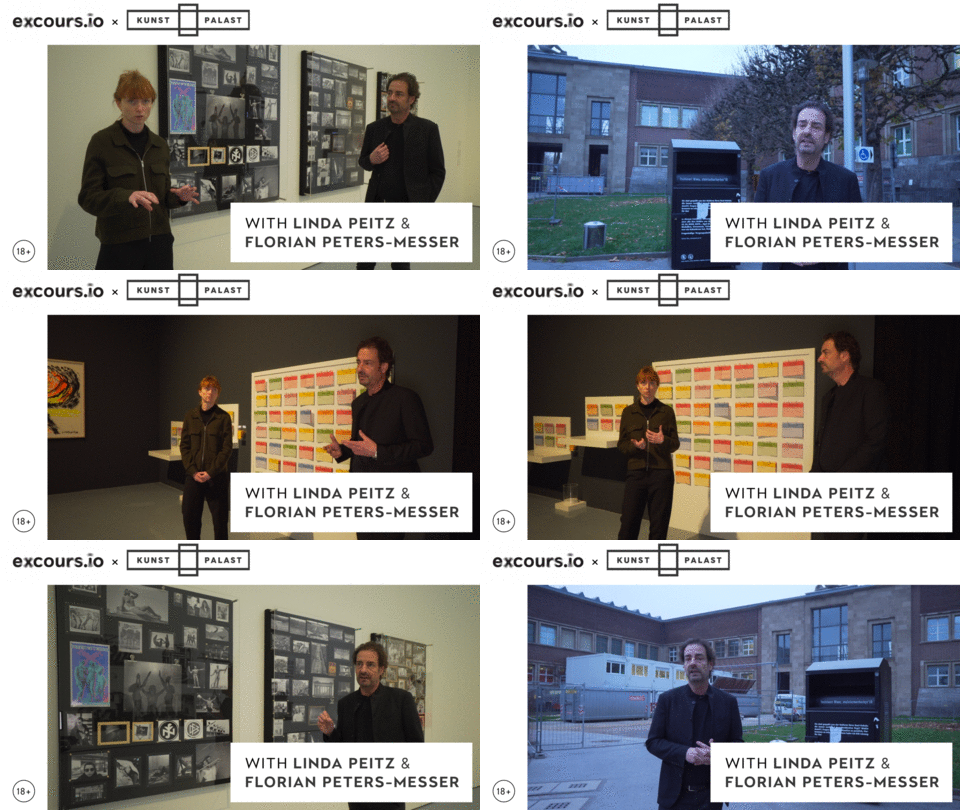
TIME FOR OUTRAGE! Art in Times of Social Anger | Right-wing Shift
 Germany
 Dusseldorf
 2020
2020
 32
32
Can anger and rage be justified in a world riddled with oppression and inequality? Are these emotions destructive forces or vital catalysts for social change? As democracy faces crises and populism gains ground globally, these questions have sparked renewed debate. Contemporary artists have responded, using their work to navigate and challenge the pressing issues of our time.
The exhibition ‘Time for Outrage!’ in Düsseldorf explores these questions through six thematic blocks: Right-wing Shift, Trumpism, Protest, Postcolonialism, Feminism, and Discrimination. Across a diverse range of mediums — including installations, drawings, paintings, sculptures, photography, and video art — 40 international artists immerse viewers in the visceral realms of protest, social dissent, and public anger. The exhibition doesn’t just present anger as a raw emotion; it portrays it as a vehicle for dialogue, resistance, and empowerment in the face of systemic injustice.
A substantial portion of the works on display come from the collection of entrepreneur and collector Florian Peters-Messer, whose commitment to socially engaged art amplifies the urgent messages these pieces convey.
Why should you watch this?
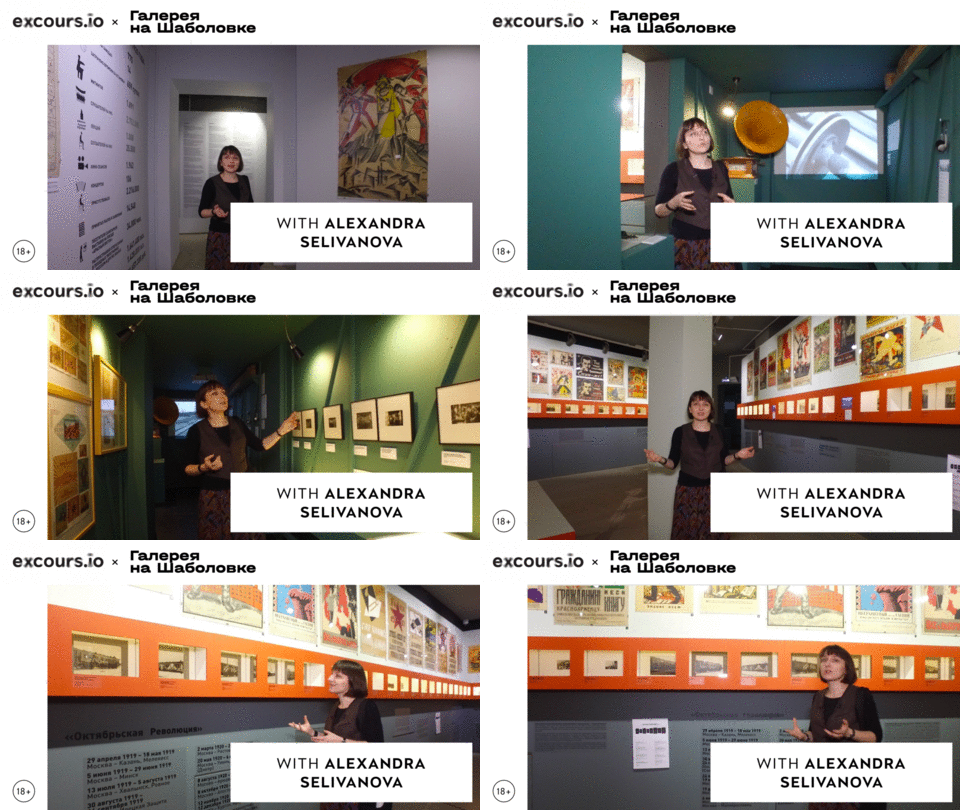
Agitprop Trains
Russia
Moscow
2018
55
The exhibition delves into a groundbreaking aspect of Russian cultural history birthed from the revolution—mobile propaganda trains. These unique vehicles served as a fusion of art and technology, transforming into vibrant mobile platforms that combined exhibitions, theater, libraries, and cinema on wheels. Launched in 1918 under the directive of the All-Russian Central Executive Committee, these trains traversed vast distances, reaching from Odessa to Irkutsk and engaging communities with their painted exteriors and rich artistic content. Supervised by renowned graphic artist Ignatiy Nivinsky, the trains featured contributions from a diverse array of artists, blending Symbolism with early avant-garde ideas. This exhibition promises an in-depth exploration of their socio-political significance during the Civil War, showcasing archival photos, posters, and various artifacts that capture the ethos of an era where art became instrumental in uniting and inspiring a nation.
Why should you watch this?
Watching a guided tour of this exhibition is particularly essential in today’s context, as it illuminates the enduring power of art as a vehicle for social change and collective identity. In a world increasingly fractured by division and misinformation, the exhibition serves as a poignant reminder of how creative expression can be mobilized to unite communities and convey critical messages. As contemporary society grapples with its own political upheavals, understanding the historical context of these mobile propaganda trains reveals the importance of merging various forms of media and art to engage the public constructively. This tour not only highlights the innovative spirit of artists who contributed to the movement but also encourages dialogue about the role of culture in shaping our narratives and responding to social challenges.
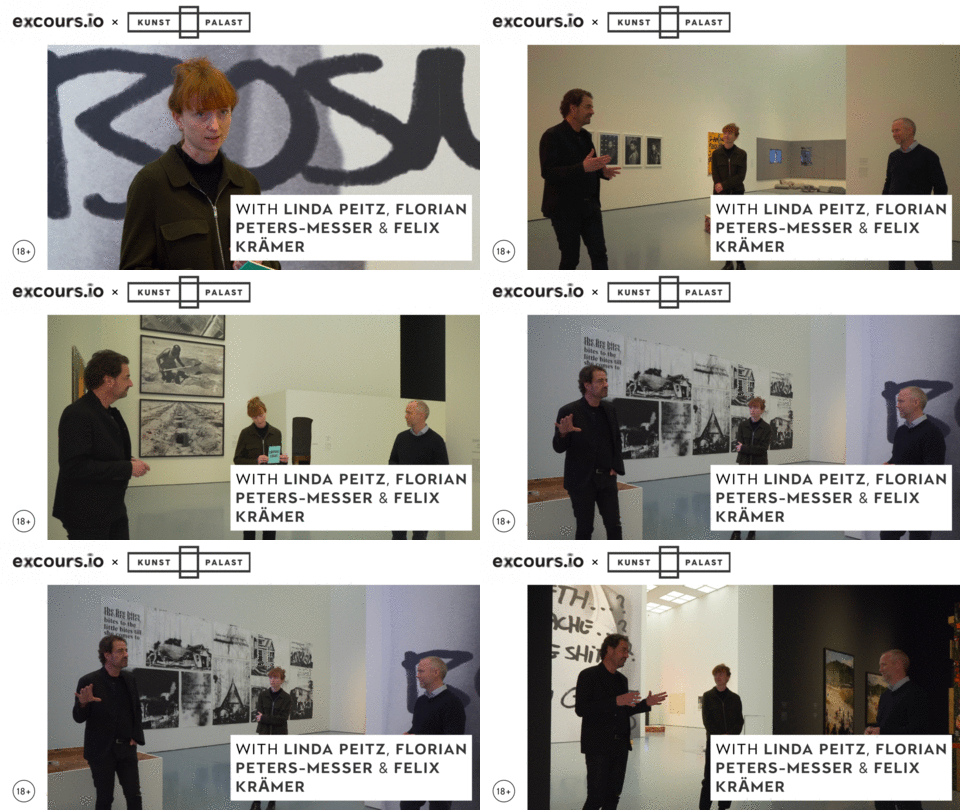
TIME FOR OUTRAGE! Art in Times of Social Anger | Introduction
Germany
Dusseldorf
2020
27
Can anger and rage be justified in a world riddled with oppression and inequality? Are these emotions destructive forces or vital catalysts for social change? As democracy faces crises and populism gains ground globally, these questions have sparked renewed debate. Contemporary artists have responded, using their work to navigate and challenge the pressing issues of our time.
The exhibition ‘Time for Outrage!’ in Düsseldorf explores these questions through six thematic blocks: Right-wing Shift, Trumpism, Protest, Postcolonialism, Feminism, and Discrimination. Across a diverse range of mediums — including installations, drawings, paintings, sculptures, photography, and video art — 40 international artists immerse viewers in the visceral realms of protest, social dissent, and public anger. The exhibition doesn’t just present anger as a raw emotion; it portrays it as a vehicle for dialogue, resistance, and empowerment in the face of systemic injustice.
A substantial portion of the works on display come from the collection of entrepreneur and collector Florian Peters-Messer, whose commitment to socially engaged art amplifies the urgent messages these pieces convey.
Why should you watch this?
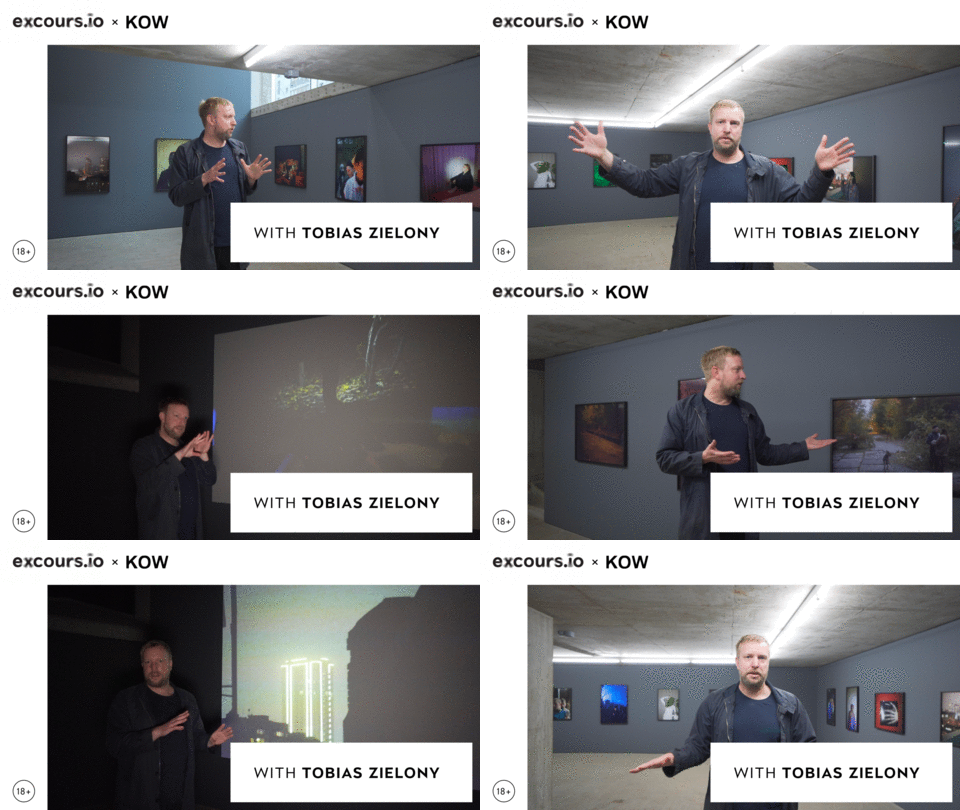
Tobias Zielony. Maskirovka [Concealment]
Germany
Berlin
2018
37
Why should you watch this?
Tobias Zielony’s “Maskirovka” is a compelling reflection on the resilience and creativity of Kyiv’s queer techno scene, resonating profoundly in today’s world marked by social and political upheaval. Set against the backdrop of the post-Maidan era, this exhibition underscores the ongoing struggle for identity and belonging in the face of repression and misinformation, themes that echo in various global contexts today. By employing the concept of “maskirovka”—a tactic of deception used in conflict—Zielony captures how both artists and activists navigate the complexities of expression and resistance. His photographs and dynamic animated film form a visual narrative that invites critical reflection on the intersection of culture, politics, and personal agency. As societies grapple with fragmentation and polarization, “Maskirovka” reminds us of the power of art to forge connections, challenge norms, and provoke dialogue, making it an essential commentary on contemporary struggles for freedom.
Sergiy Bratkov. My Brother’s Cats | Curatorial Introduction with Annegret Laabs
Germany
Magdeburg
2024
25
Why should you watch this?
“Your Feedback is Very Important for Us”
Russia
Moscow
2018
47
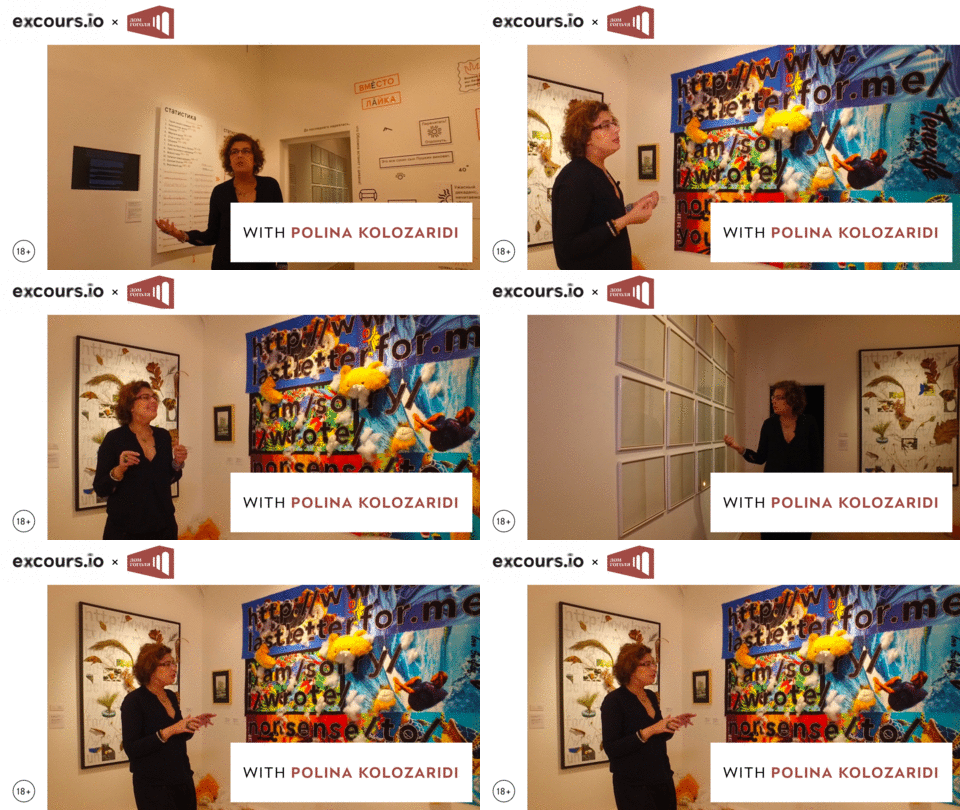
The exhibition “Your review is very important to us” delves into the evolving landscape of reader engagement with classical literature, inviting visitors to explore how expressions of opinion have transformed from the 19th century to today’s digital era. Through a compelling blend of research by philologist Anna Gerasimova and innovative works from contemporary Russian artists, the show raises thought-provoking questions about the interplay between amateur reviews and literary criticism. Viewers will experience how machine learning interprets text, engage with an audio installation that echoes voices from the past and present, and even connect Nabokov’s correspondence to modern digital discourse.
Why should you watch this?
The exhibition “Your review is very important to us” holds significant relevance in today’s digital landscape, where reader voices and online reviews have transformed the way we engage with classical literature. In an age that celebrates individual expression, the show challenges traditional hierarchies of literary criticism by emphasizing the importance of personal perspectives alongside established viewpoints. It invites us to reflect on how technology, from machine learning to social media, reshapes our interaction with texts and broadens our understanding of art and literature. By highlighting the dynamic relationship between modern readers, artists, and classical works, this exhibition not only redefines the role of the audience in literary discourse but also underscores the importance of diverse interpretations in a cultural dialogue increasingly shaped by digital platforms.
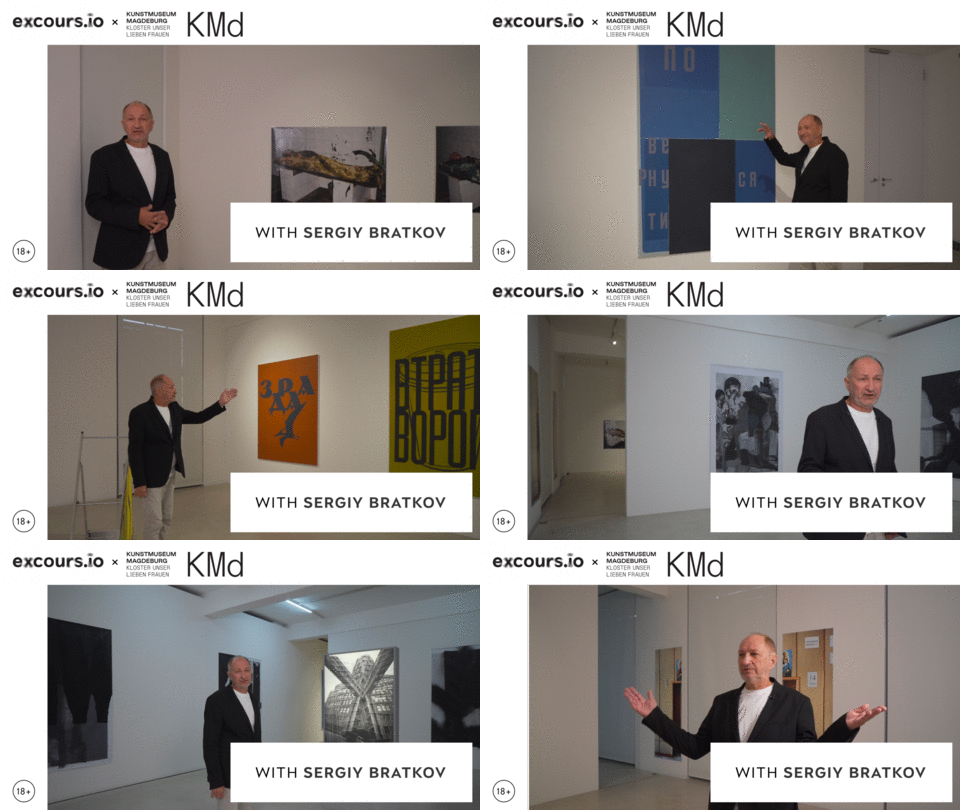
Sergiy Bratkov. My Brother’s Cats | Immersive Artist Tour
Germany
Magdeburg
2024
43
Why should you watch this?
Train Arrival
Russia
Moscow
2018
56
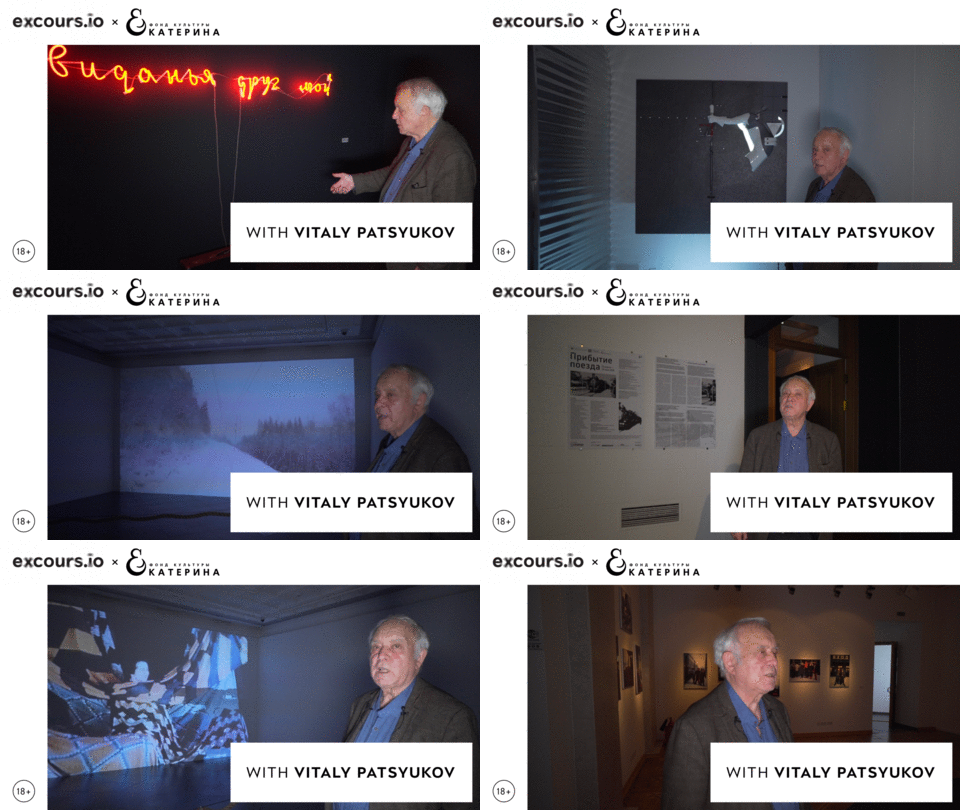
“Arrival of the Train” is a captivating exhibition that unites over a hundred artistic works from both Russian and international creators, celebrating the train’s rich cultural significance as a harbinger of change and progress. It delves into the multifaceted roles of trains throughout history—from transformative technological marvels to poignant symbols in art—inviting viewers to journey through time and space. Showcasing everything from the historic funeral train of Lenin to the nostalgic echoes of the Trans-Siberian Railway, the exhibition highlights the train’s enduring impact on civilization and its power as a vessel for communication and innovation, ultimately crafting a shared narrative that connects cultures and eras in a uniquely dynamic way.
Why should you watch this?
The tour offers profound insights into our rapidly changing social landscape. In an era marked by globalization, technological advancement, and environmental challenges, the train serves as a metaphor for the interconnectedness of cultures and the migration of ideas. The exhibition elevates the experience, providing expert interpretations that illuminate how the train symbolizes not only progress but also the historical traumas associated with industrialization and modernization. As society grapples with issues like climate change, urbanization, and the quest for sustainable mobility, this exhibition invites reflection on our past and present relationship with transportation and technology. Engaging with these themes alongside knowledgeable curators allows viewers to critically assess their own narratives and environmental footprints, fostering a deeper connection to both art and contemporary global issues.
HOW TO SURVIVE ― Art as Survival Strategy | with Carina Plath
Germany
Hannover
2020
34
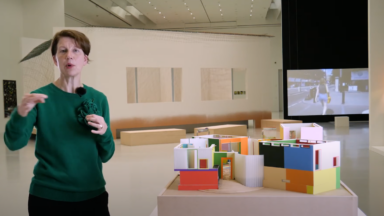
The group exhibition presents a compelling exploration of how art provides resilience in times of personal and societal crisis. The exhibition features works by renowned artists like Gustav Metzger, Shusaku Arakawa, and Alina Szapocznikow, each of whom faced extreme adversity and transformed their experiences into profound artistic statements. Whether addressing environmental destruction, illness, or existential threats, these artists used creativity as a means to survive and challenge the limits of human endurance. The exhibition emphasizes the power of art to propose alternative perspectives when the world seems trapped in binary thinking. By engaging with radical artistic responses to crisis, visitors are invited to reflect on how creativity can offer strength, hope, and new possibilities for navigating the uncertainties of modern life. Art, in this context, becomes more than expression — it becomes a strategy for survival and transformation.
Why should you watch this?
The exhibition tackles pressing issues like climate change, personal trauma, and social upheaval, and having a knowledgeable guide helps to bring those themes to life. It’s not just about admiring the art; it’s about understanding the stories and survival strategies that inspired each piece. This context makes the art resonate even more, helping you connect with the messages in a meaningful way. In a time when we’re all looking for ways to navigate challenges, a guided tour offers fresh insights that can spark reflection and inspire hope.