
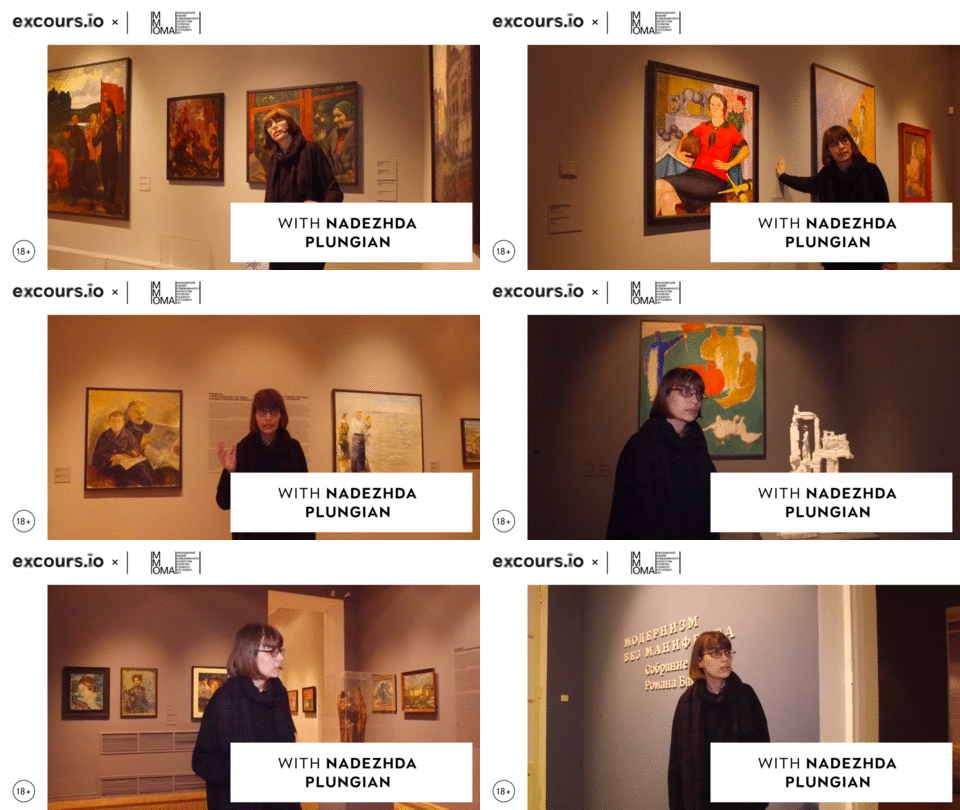
Implicit Modernism. Roman Babichev’s Collection. Part I.
 Russia
 Moscow
 2017
2017
 123
123
Why should you watch this?
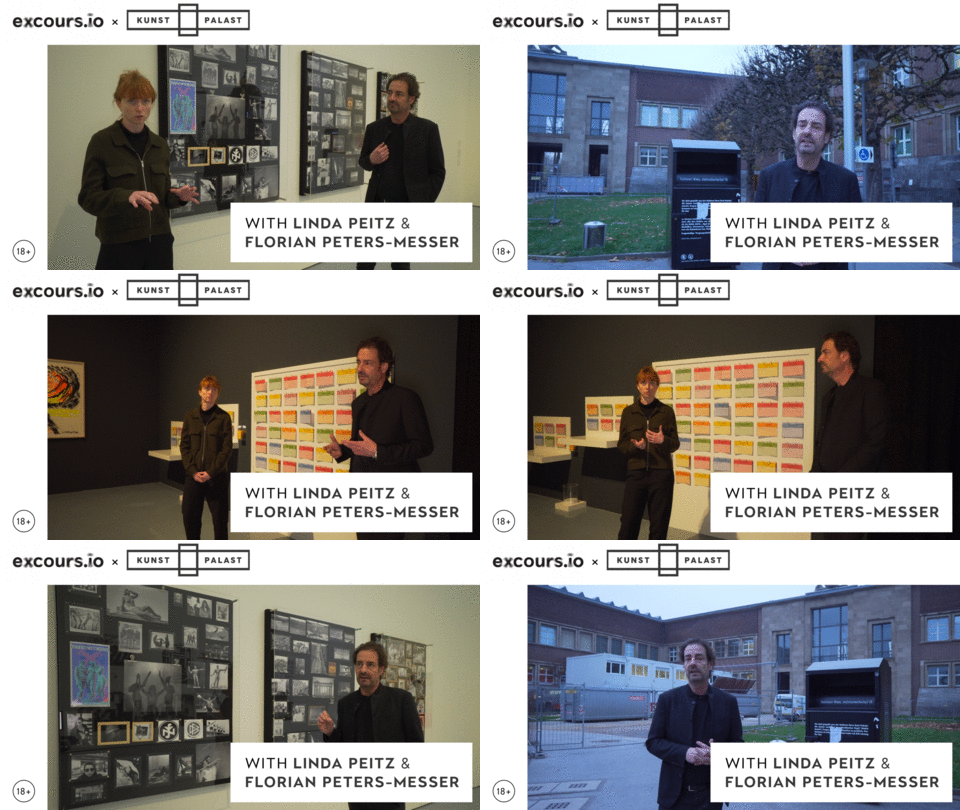
TIME FOR OUTRAGE! Art in Times of Social Anger | Right-wing Shift
Germany
Dusseldorf
2020
32
Can anger and rage be justified in a world riddled with oppression and inequality? Are these emotions destructive forces or vital catalysts for social change? As democracy faces crises and populism gains ground globally, these questions have sparked renewed debate. Contemporary artists have responded, using their work to navigate and challenge the pressing issues of our time.
The exhibition ‘Time for Outrage!’ in Düsseldorf explores these questions through six thematic blocks: Right-wing Shift, Trumpism, Protest, Postcolonialism, Feminism, and Discrimination. Across a diverse range of mediums — including installations, drawings, paintings, sculptures, photography, and video art — 40 international artists immerse viewers in the visceral realms of protest, social dissent, and public anger. The exhibition doesn’t just present anger as a raw emotion; it portrays it as a vehicle for dialogue, resistance, and empowerment in the face of systemic injustice.
A substantial portion of the works on display come from the collection of entrepreneur and collector Florian Peters-Messer, whose commitment to socially engaged art amplifies the urgent messages these pieces convey.
Why should you watch this?
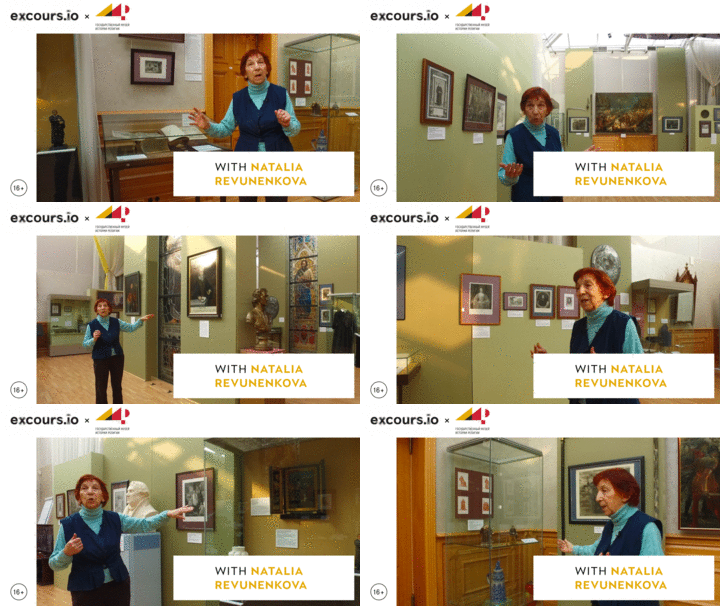
Only by faith! On the occasion of the 500th Anniversary of the Reformation
Russia
Saint Petersburg
2017
62
Unveiling the transformative journey of Protestantism, this exhibition showcases around 150 artifacts from the State Museum of the History of Religion, bringing to life the pivotal moments and influential figures, such as Martin Luther, that shaped this movement. Spanning from the 16th century to the present, it delves into the synergy between religion and culture, revealing how Protestant ideals influenced art, literature, and social change. This rich array of historical items not only contextualizes the theological underpinnings of the Reformation but also illustrates its enduring legacy in contemporary society. It is an enlightening exploration that challenges the boundaries between faith and creativity, inviting visitors to reflect on the profound impact of Protestantism on our world today.
Why should you watch this?
In today’s context, this exhibition on Protestantism serves as a crucial reflection on the enduring influence of religion in shaping contemporary values, culture, and identity. As society navigates complex discussions around faith, freedom of expression, and social justice, the historical insights revealed through artifacts and narratives from the Protestant Reformation prompt us to consider how these early movements laid the groundwork for modern thought and civil rights. By revisiting the struggles and triumphs of figures like Martin Luther, we gain a deeper understanding of the ideological battles that resonate in current debates about religious tolerance, individualism, and community life. This exploration invites us to connect the past to the present, encouraging critical dialogue on the role of faith in our increasingly pluralistic world.
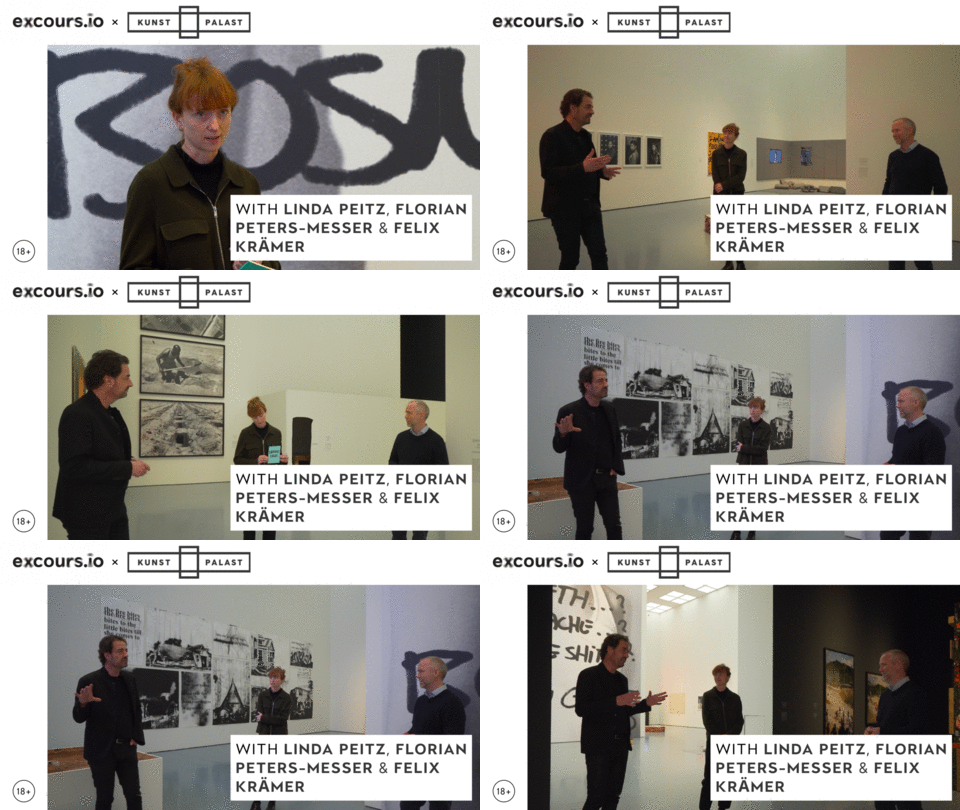
TIME FOR OUTRAGE! Art in Times of Social Anger | Introduction
Germany
Dusseldorf
2020
27
Can anger and rage be justified in a world riddled with oppression and inequality? Are these emotions destructive forces or vital catalysts for social change? As democracy faces crises and populism gains ground globally, these questions have sparked renewed debate. Contemporary artists have responded, using their work to navigate and challenge the pressing issues of our time.
The exhibition ‘Time for Outrage!’ in Düsseldorf explores these questions through six thematic blocks: Right-wing Shift, Trumpism, Protest, Postcolonialism, Feminism, and Discrimination. Across a diverse range of mediums — including installations, drawings, paintings, sculptures, photography, and video art — 40 international artists immerse viewers in the visceral realms of protest, social dissent, and public anger. The exhibition doesn’t just present anger as a raw emotion; it portrays it as a vehicle for dialogue, resistance, and empowerment in the face of systemic injustice.
A substantial portion of the works on display come from the collection of entrepreneur and collector Florian Peters-Messer, whose commitment to socially engaged art amplifies the urgent messages these pieces convey.
Why should you watch this?
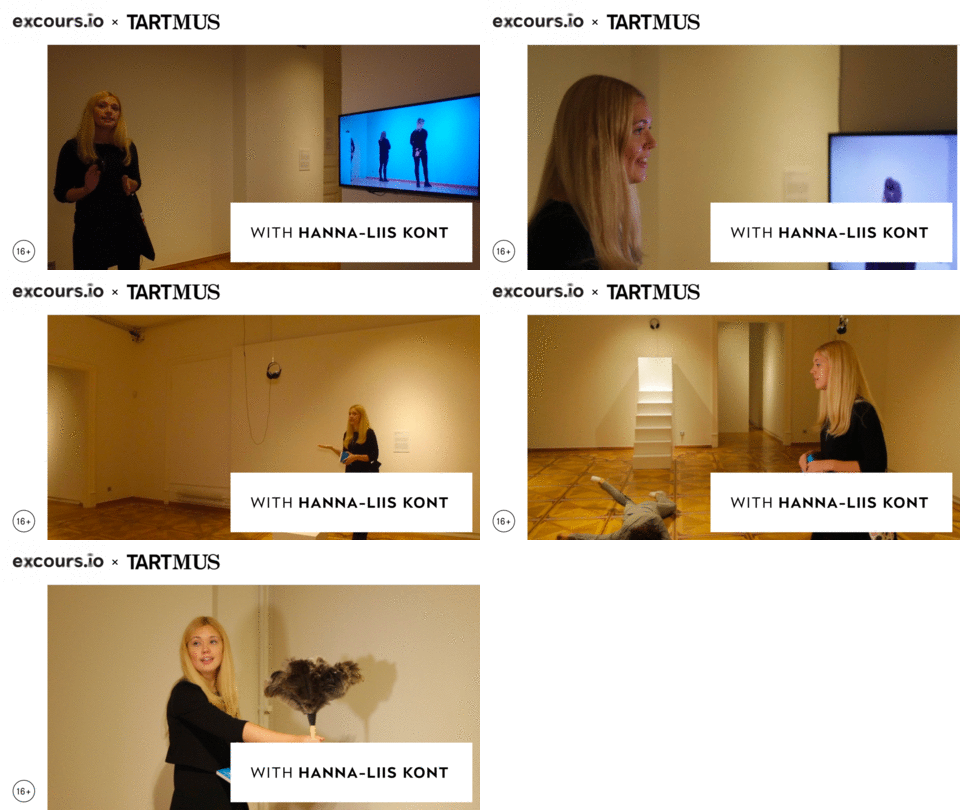
Museum Choreography
Estonia
Tartu
2018
53
This innovative exhibition reimagines the traditional museum experience through the lens of dance and choreography, inviting audiences to become active participants in the artistic dialogue. It foregrounds the unpredictable interplay between viewer movement and static artworks, showcasing how personal histories, cultural contexts, and physical presence transform the museum into a living, dynamic space. By exploring the nuances of how we look at and engage with art, the exhibition challenges visitors to reflect on their own movement and interactions within the gallery. This exhibition is a thought-provoking exploration of the embodied experience of art, making the viewer an integral part of the creative narrative.
Why should you watch this?
In today’s rapidly evolving cultural landscape, this exhibition stands out by positioning dance and choreography as vital means of understanding and engaging with art in the museum context. By centering the audience’s experience, it reflects our collective need for connection and interaction in spaces that often feel static and distant. In an era where individual perspectives and cultural backgrounds shape our understanding of art, this exhibition invites viewers to reclaim their role, reminding us that museums are not just repositories of art but vibrant environments shaped by human presence and movement. As the act of looking becomes more layered and complex in our digital world, this exhibition challenges us to reconsider our relationship with art, encouraging a deeper engagement that resonates well beyond the gallery walls.