
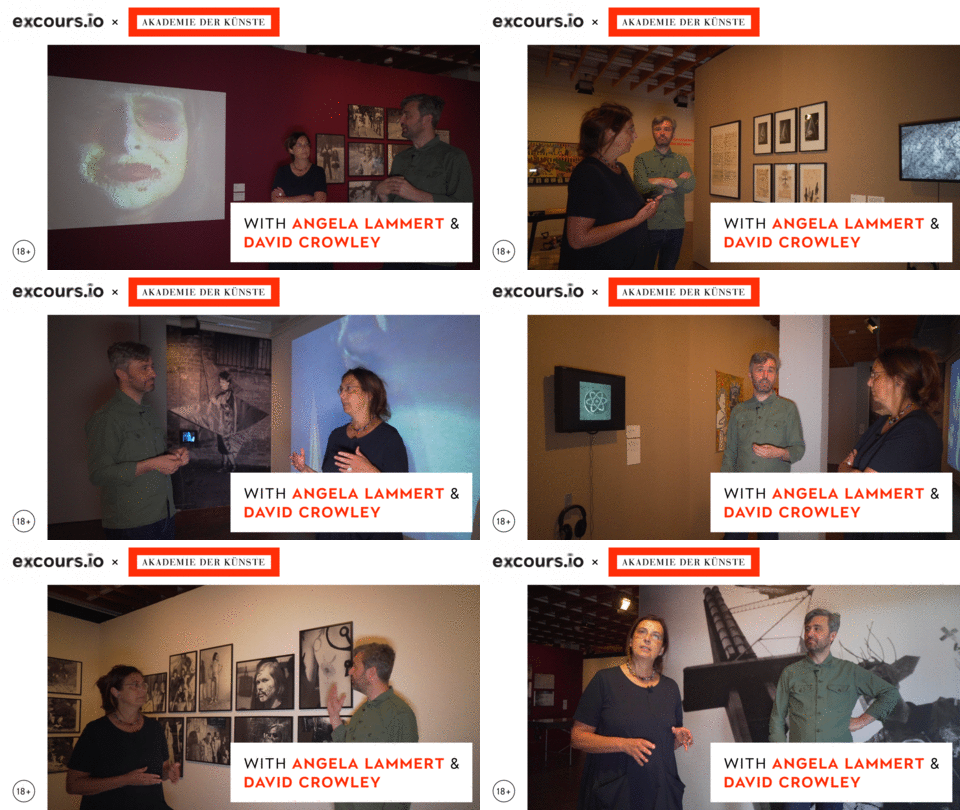
Notes from the Underground. Art and Alternative Music in Eastern Europe 1968-1994
 Germany
 Berlin
 2018
2018
 56
56
The exhibition Notes from the Underground. Art and Alternative Music in Eastern Europe 1968–1994 examines the intersection of underground music and visual arts under communist regimes in Eastern Europe. It highlights how rock, punk, and new wave music, alongside performance art, fashion, and film, became tools of countercultural expression against state control. In response to censorship and scarcity, artists and musicians created homemade instruments, produced Samizdat magazines, and distributed recordings. The exhibition underscores the role of improvisation and irony in resisting authoritarianism, with works from Poland, Yugoslavia, the Soviet Union, and Czechoslovakia, offering a new perspective on how art and music intertwined as forms of dissent.
Why should you watch this?
In a time where freedom of expression remains a contested issue, Notes from the Underground. Art and Alternative Music in Eastern Europe 1968–1994 draws vital parallels between past and present struggles against authoritarianism. By showcasing how rock, punk, and new wave music intertwined with visual arts to resist state control, the exhibition highlights the subversive power of creativity. From DIY instruments to Samizdat magazines, it captures the spirit of rebellion and improvisation that thrived under repressive regimes, making it a timely exploration of art’s role in confronting oppression and fueling collective resistance.
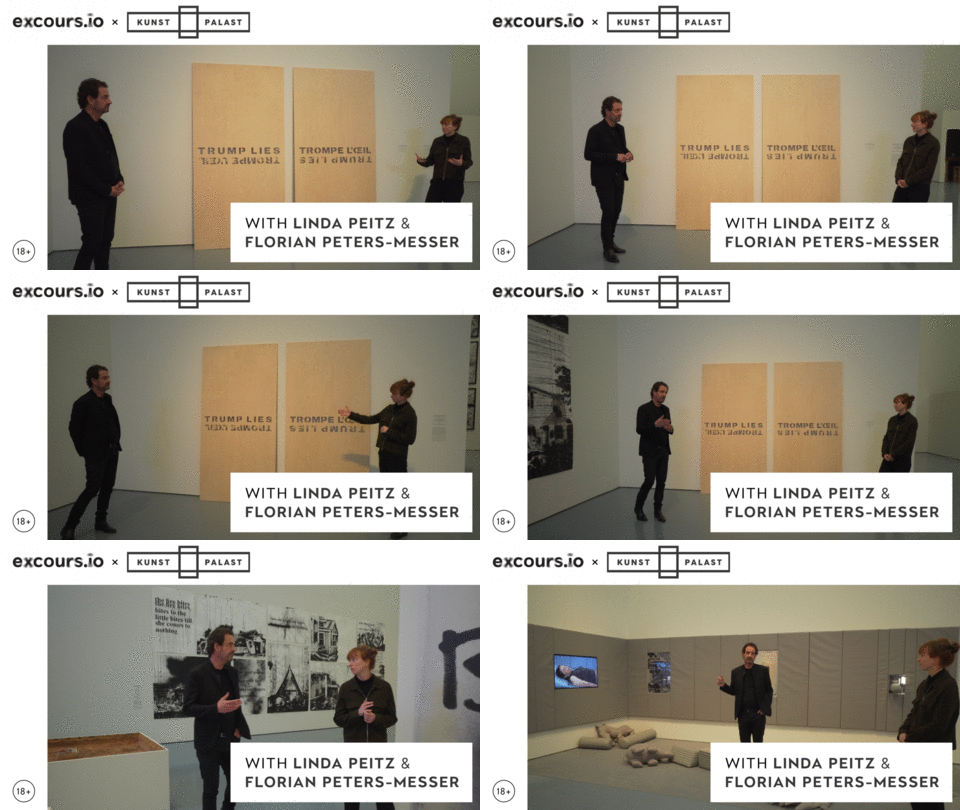
TIME FOR OUTRAGE! Art in Times of Social Anger | Trumpism
Germany
Dusseldorf
2020
33
Can anger and rage be justified in a world riddled with oppression and inequality? Are these emotions destructive forces or vital catalysts for social change? As democracy faces crises and populism gains ground globally, these questions have sparked renewed debate. Contemporary artists have responded, using their work to navigate and challenge the pressing issues of our time.
The exhibition ‘Time for Outrage!’ in Düsseldorf explores these questions through six thematic blocks: Right-wing Shift, Trumpism, Protest, Postcolonialism, Feminism, and Discrimination. Across a diverse range of mediums — including installations, drawings, paintings, sculptures, photography, and video art — 40 international artists immerse viewers in the visceral realms of protest, social dissent, and public anger. The exhibition doesn’t just present anger as a raw emotion; it portrays it as a vehicle for dialogue, resistance, and empowerment in the face of systemic injustice.
A substantial portion of the works on display come from the collection of entrepreneur and collector Florian Peters-Messer, whose commitment to socially engaged art amplifies the urgent messages these pieces convey.
Why should you watch this?
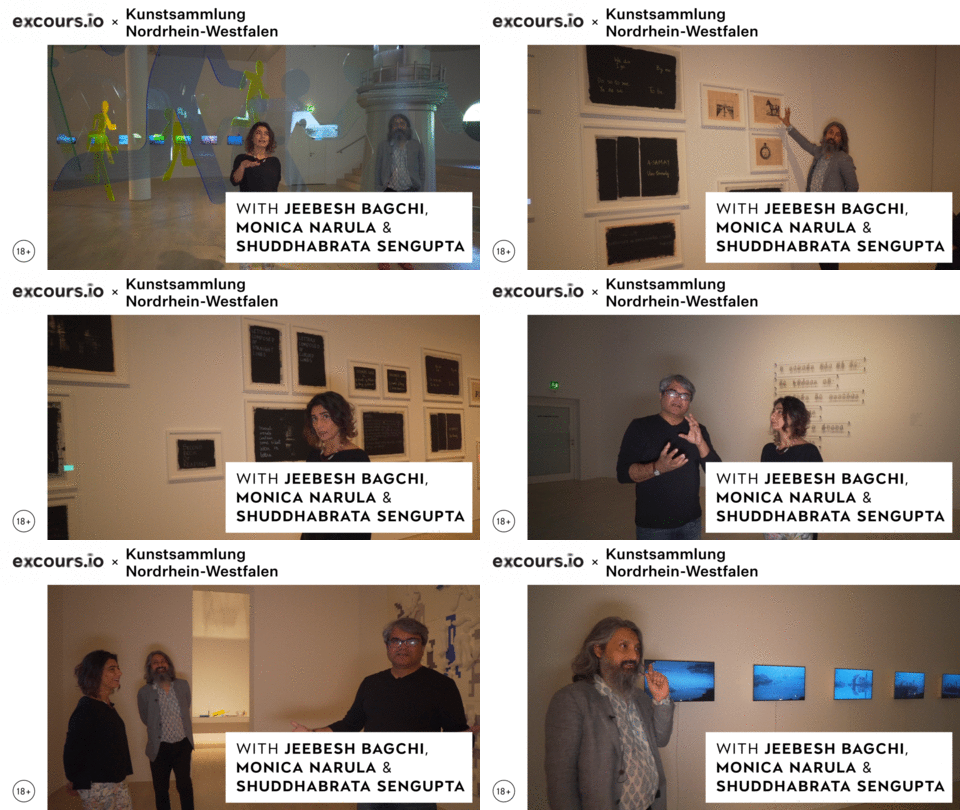
Raqs Media Collective. Everything Else is Ordinary
Germany
Dusseldorf
2018
97
Why should you watch this?
The Raqs Media Collective’s exploration of time as a force shaping human experience offers a profound critique of how society functions under capitalism. Their works challenge traditional notions of time, revealing its role in regulating life and framing historical narratives. By dismantling these fixed interpretations, they invite audiences to rethink the ways time is measured, experienced, and manipulated. In doing so, their practice merges art, history, and philosophy, making their work a compelling reflection on the rhythms that shape our individual and collective existence.

When I see the future, I close my eyes: Chapter II
Germany
Berlin
2023
45
Why should you watch this?
Katrin Nenasheva. Between Here and There: Stories of City Isolations
Russia
Moscow
2017
50
Between Here and There: Stories of Urban Isolation is an exhibition by Katrin Nenasheva that explores the lives of individuals permanently isolated in psychiatric institutions. In her performance, Nenasheva traversed city streets wearing virtual reality glasses displaying panoramic images from these institutions, highlighting the barriers that separate their world from ours. She engaged with the public in various locations, including the subway and Red Square, inviting them to experience her perspective and share the motivations behind her work. The exhibition presents documentation of her journey, allowing visitors to engage with virtual reality themselves, fostering a dialogue between “here” and “there.” This immersive experience encourages reflection on societal isolation and connection.
Why should you watch this?
Katrin Nenasheva’s exhibition Between Here and There: Stories of Urban Isolation offers a profound exploration of the often-overlooked lives of individuals in psychiatric institutions. By donning virtual reality glasses that display panoramic views of these spaces, Nenasheva creates a striking connection between the isolated and the public, inviting visitors to step into her shoes as she navigates familiar urban landscapes. This immersive performance, paired with documentation of her interactions in locations like the subway and Red Square, blurs the lines between separation and engagement. Through this unique experience, attendees are encouraged to confront their perceptions of mental health, societal isolation, and human connection, prompting vital conversations about empathy and understanding in our communities.
HOW TO SURVIVE ― Art as Survival Strategy | with Paula Schwerdtfeger
Germany
Hanover
2020
34
The group exhibition presents a compelling exploration of how art provides resilience in times of personal and societal crisis. The exhibition features works by renowned artists like Gustav Metzger, Shusaku Arakawa, and Alina Szapocznikow, each of whom faced extreme adversity and transformed their experiences into profound artistic statements. Whether addressing environmental destruction, illness, or existential threats, these artists used creativity as a means to survive and challenge the limits of human endurance. The exhibition emphasizes the power of art to propose alternative perspectives when the world seems trapped in binary thinking. By engaging with radical artistic responses to crisis, visitors are invited to reflect on how creativity can offer strength, hope, and new possibilities for navigating the uncertainties of modern life. Art, in this context, becomes more than expression — it becomes a strategy for survival and transformation.
Why should you watch this?
The exhibition tackles pressing issues like climate change, personal trauma, and social upheaval, and having a knowledgeable guide helps to bring those themes to life. It’s not just about admiring the art; it’s about understanding the stories and survival strategies that inspired each piece. This context makes the art resonate even more, helping you connect with the messages in a meaningful way. In a time when we’re all looking for ways to navigate challenges, a guided tour offers fresh insights that can spark reflection and inspire hope.
KOMAR & MELAMID
Russia
Moscow
2019
135
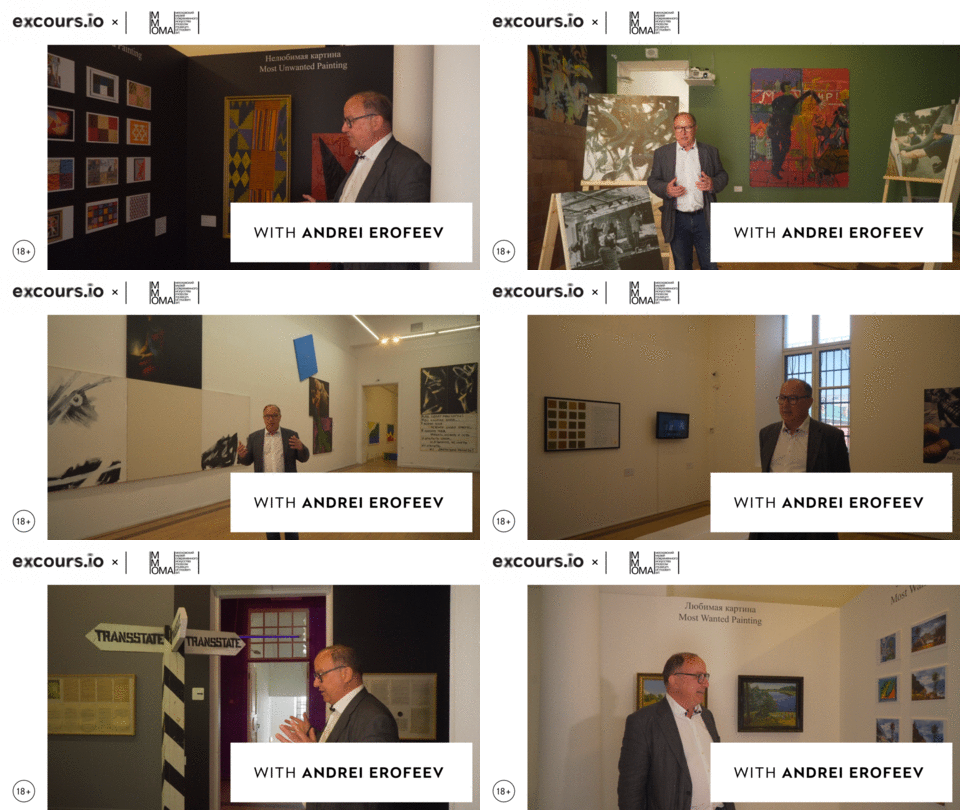
KOMAR & MELAMID delves into the fusion of art and ideology, spotlighting the pioneering duo known for their satirical takes on Soviet culture. This exhibition showcases their innovative approach to ‘Sots Art,’ a movement that critiques the socialist aesthetic while playfully engaging with the political and commercial landscapes of the 20th century. Through a diverse array of works, including paintings, installations, and conceptual pieces, Komar and Melamid invite viewers to reconsider the purpose and function of art in society. Their collaboration challenges traditional boundaries, marrying humor with profound sociopolitical commentary—a must-see for anyone interested in contemporary art’s dialogue with history and culture.
Why should you watch this?
This exhibition represents the place where art meets incisive commentary on society and culture. This dynamic duo takes you on a journey through the playful yet poignant realm of Sots Art, characterized by a mix of humor and critique. Their works challenges normative ideals and question the role of art under Soviet influence, making it both a historical exploration and a contemporary dialogue. By engaging with their art, you’ll uncover layers of meaning about ideological constructs, consumerism, and identity. It’s a unique opportunity to reflect on how these themes continue to resonate today. Experience firsthand how Komar and Melamid’s innovative spirit invites a critical look at the world around us — ensuring you walk away with new insights and a deeper appreciation for the complexities of art.
HOW TO SURVIVE ― Art as Survival Strategy | with Valérie Favre & Carina Plath
Germany
Hanover
2020
34
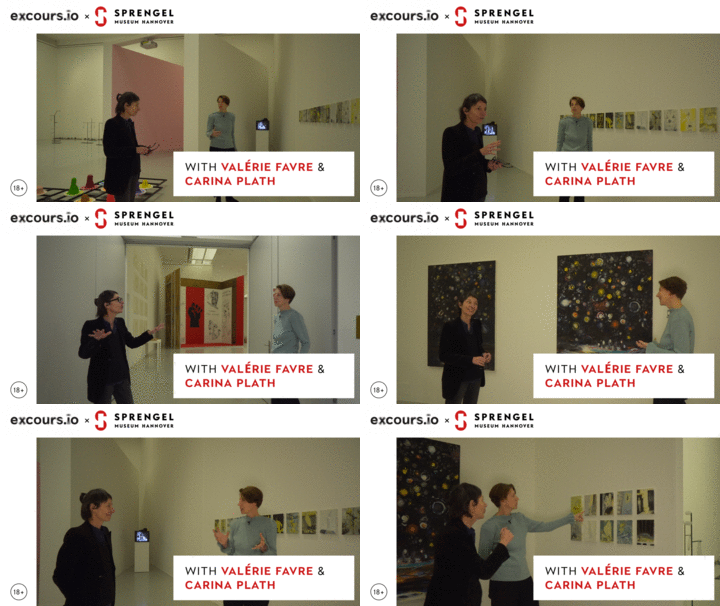
The group exhibition presents a compelling exploration of how art provides resilience in times of personal and societal crisis. The exhibition features works by renowned artists like Gustav Metzger, Shusaku Arakawa, and Alina Szapocznikow, each of whom faced extreme adversity and transformed their experiences into profound artistic statements. Whether addressing environmental destruction, illness, or existential threats, these artists used creativity as a means to survive and challenge the limits of human endurance. The exhibition emphasizes the power of art to propose alternative perspectives when the world seems trapped in binary thinking. By engaging with radical artistic responses to crisis, visitors are invited to reflect on how creativity can offer strength, hope, and new possibilities for navigating the uncertainties of modern life. Art, in this context, becomes more than expression — it becomes a strategy for survival and transformation.
Why should you watch this?
The exhibition tackles pressing issues like climate change, personal trauma, and social upheaval, and having a knowledgeable guide helps to bring those themes to life. It’s not just about admiring the art; it’s about understanding the stories and survival strategies that inspired each piece. This context makes the art resonate even more, helping you connect with the messages in a meaningful way. In a time when we’re all looking for ways to navigate challenges, a guided tour offers fresh insights that can spark reflection and inspire hope.
Revolved Revolutions. On the Occasion of Centenary of the Great October Socialist Revolution
Russia
Moscow
2017
47