
Menu

  • Categories
    • Arts
    • Culture
    • History
    • Music
    • Philosophy
    • Society & Politics
    • Technology & Science
  • Collections
  • Tags
  • Institutions
  • Contributors
  • All Films
  • Random Film

About

excoursio is a free platform for immersive guided tours, turning one-time walkthroughs into lasting learning experiences. excours.io means culture for everyone, everywhere.

Stay tuned

  • instagram
  • facebook
  • linkedin
  • bluesky
  • mastodon
The exhibition serves as a poignant exploration of the pervasive and often absurd censorship that defined Soviet culture over 70 years. By navigating through the Russian alphabet—from the arrest of manuscripts to the Yauza tape recorder and the underground phenomenon of magnitizdat—visitors will uncover a narrative rich in both cruelty and resilience. Each letter unveils stories of meticulous scrutiny and cold repression, highlighting the complex interplay between censorship and state security, while also showcasing remarkable acts of civil defiance against artistic oppression. Enhanced by an array of documents, media, and artifacts, this exhibition invites you to explore the hidden layers of Soviet history and the power of creative expression that endeavored to resist the “red pencils” of authority.The group exhibition presents a compelling exploration of how art provides resilience in times of personal and societal crisis. The exhibition features works by renowned artists like Gustav Metzger, Shusaku Arakawa, and Alina Szapocznikow, each of whom faced extreme adversity and transformed their experiences into profound artistic statements. Whether addressing environmental destruction, illness, or existential threats, these artists used creativity as a means to survive and challenge the limits of human endurance. The exhibition emphasizes the power of art to propose alternative perspectives when the world seems trapped in binary thinking. By engaging with radical artistic responses to crisis, visitors are invited to reflect on how creativity can offer strength, hope, and new possibilities for navigating the uncertainties of modern life. Art, in this context, becomes more than expression — it becomes a strategy for survival and transformation.The exhibition presents Roman Babichev’s collection as a compelling exploration of Soviet modernism, challenged by decades of controversy surrounding the term due to the anti-formalist campaigns of the 1930s and Cold War ideological battles. Offering a fresh lens, the exhibition sheds light on the often-overlooked variety within Soviet art, breaking down entrenched stereotypes and revealing the interconnections among post-avant-garde communities active after the 1932 ban on creative associations. By emphasizing the nuanced expressions of these artists—whose declarations were rendered in their unique painting styles rather than explicit statements—the exhibition invites viewers to reassess the rich tapestry of Soviet artistic heritage through a symbolist perspective, encouraging a more multidimensional understanding of its evolving narrative.Human perception of time often resembles a collage — fragmented and layered, shaped by memory and experience. Berlin-based artist Maya Schweizer captures this complexity through her unique language of short film. In her work, everyday spaces become carriers of memory, interweaving found footage, situational observations, and soundscapes to create immersive, multifaceted narratives. Schweizer’s art subtly explores the intricacies of cultural identity and the role individuals play as political actors, encouraging deeper reflection on how we engage with our surroundings and their embedded histories. In her solo exhibition Stimmen (Voices) at the Museum Villa Stuck, composed of 10 films spanning the past 14 years, Schweizer gives voice to those who have disappeared, recounting stories of violence, memory, and loss, particularly within the context of German history and Munich’s past. By blending personal and collective histories, her work oscillates between documentation and staged reality, using urban spaces as laboratories for examining overlapping historical layers. As viewers dive into the culture of remembrance, Schweizer uncovers new and often unsettling depths of human memory, sparking a reflection on the invisible ties between people, places, and their histories.A Poet Passes Through celebrates the expansive world of Abdellatif Laâbi, the Moroccan writer, poet, and painter, at the Mohammed VI Museum in Rabat. This exhibition explores Laâbi’s rich and engaged body of work, presenting him as a voice for a generation seeking meaning through art. It unveils the creative spirit of an era, featuring literary works, archival documents, paintings, and videos that trace his journey and reveal his less-known facet as a painter. A significant focus is the groundbreaking Souffles review, co-founded by Laâbi, which profoundly transformed Moroccan culture and liberated minds. Visitors will discover how one artist’s vision and intellectual struggle historically shaped artistic expression and continue to resonate today, offering a unique insight into a life dedicated to creative impact.
Toggle sidebar & navigation
  • Categories
    • Arts
    • Culture
    • History
    • Music
    • Philosophy
    • Society & Politics
    • Technology & Science
  • Collections
  • Tags
  • Institutions
  • Contributors
  • All Films
  • Random Film
excoursio
https://www.youtube.com/watch?v=xxu1hhSb6o8&rel=0&autoplay=0&controls=1
Mr. Yokoo’s Palette
Mr. Yokoo’s Palette
Mr. Yokoo’s Palette
Mr. Yokoo’s Palette
Mr. Yokoo’s Palette
Mr. Yokoo’s Palette
Mr. Yokoo’s Palette
18+
Yokoo Tadanori Museum of Contemporary Art Arts | Culture

Mr. Yokoo’s Palette

0 comments
Original Exhibition Title: 横尾さんのパレット
Japan Kobe 2022 19 Japanese Japanese, English
Art Collecting HistoryArtistic ResearchContemporary ArtInnovations in ArtModernismMuseum Engagement

All rights and copyrights to the film are held by the producer: Yokoo Tadanori Museum of Contemporary Art, Kobe, Japan.

For any legal inquiries, please contact the museum directly.

excoursio does not hold any copyright; it merely shares the original film material to support wider access and the dissemination of knowledge.

In a nutshell

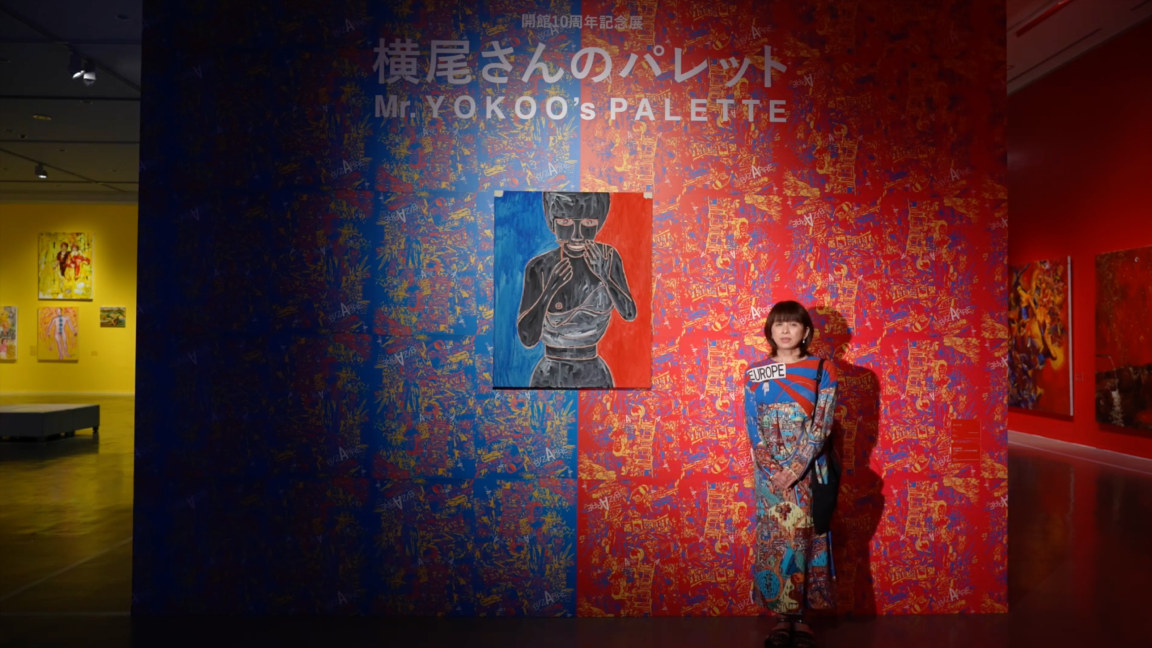
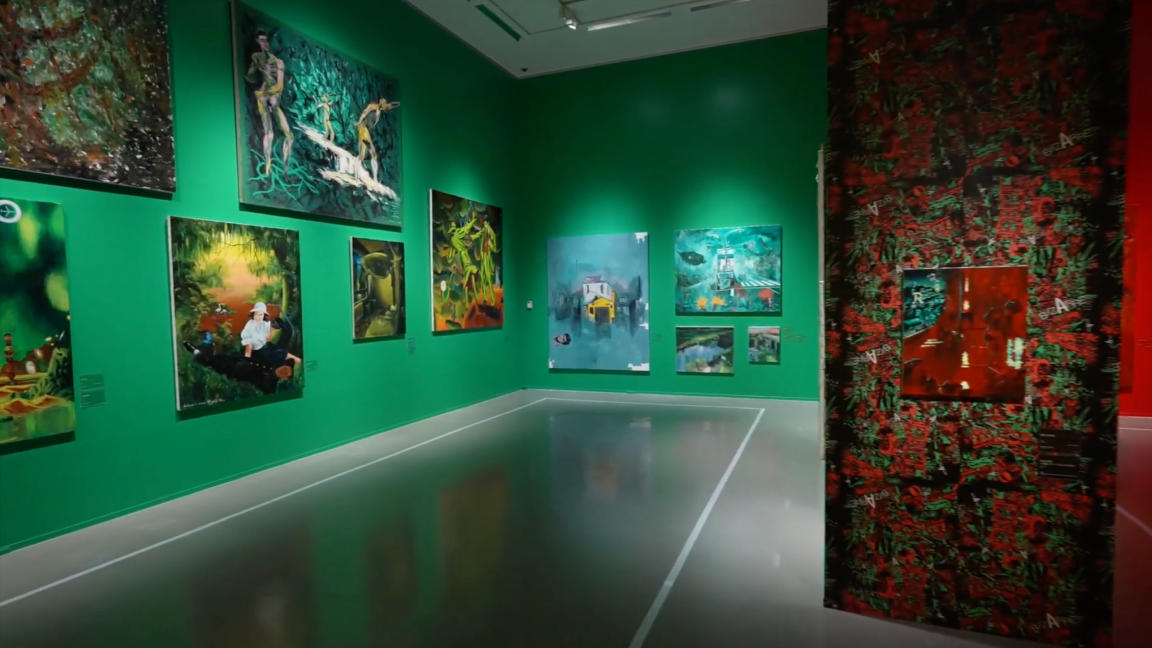
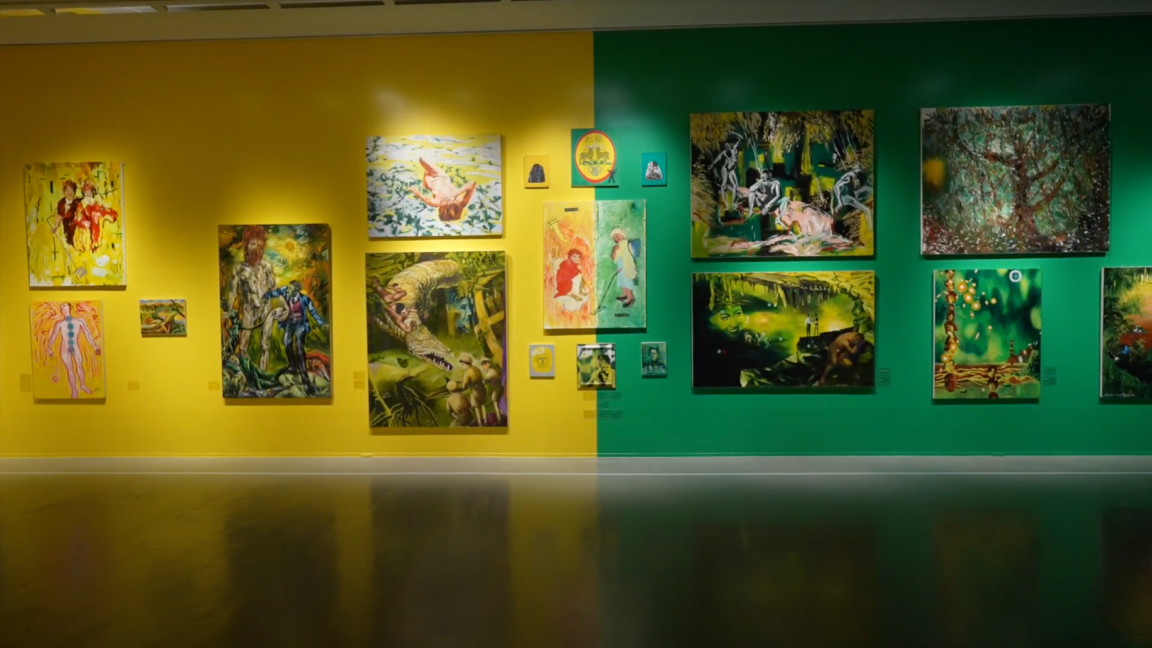
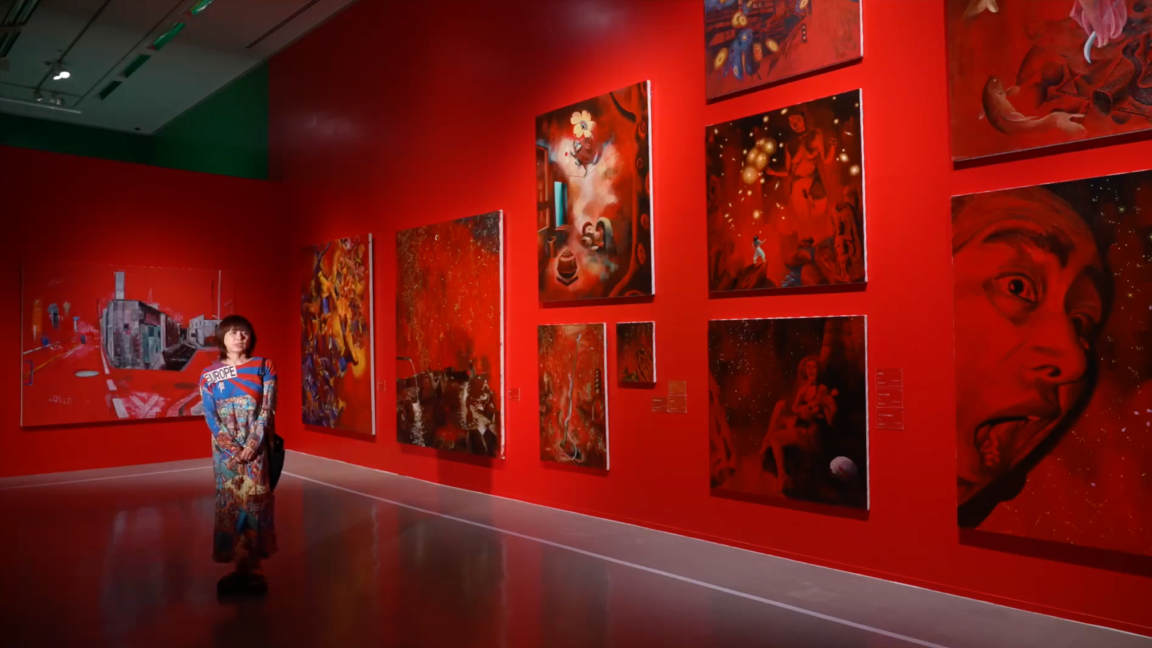
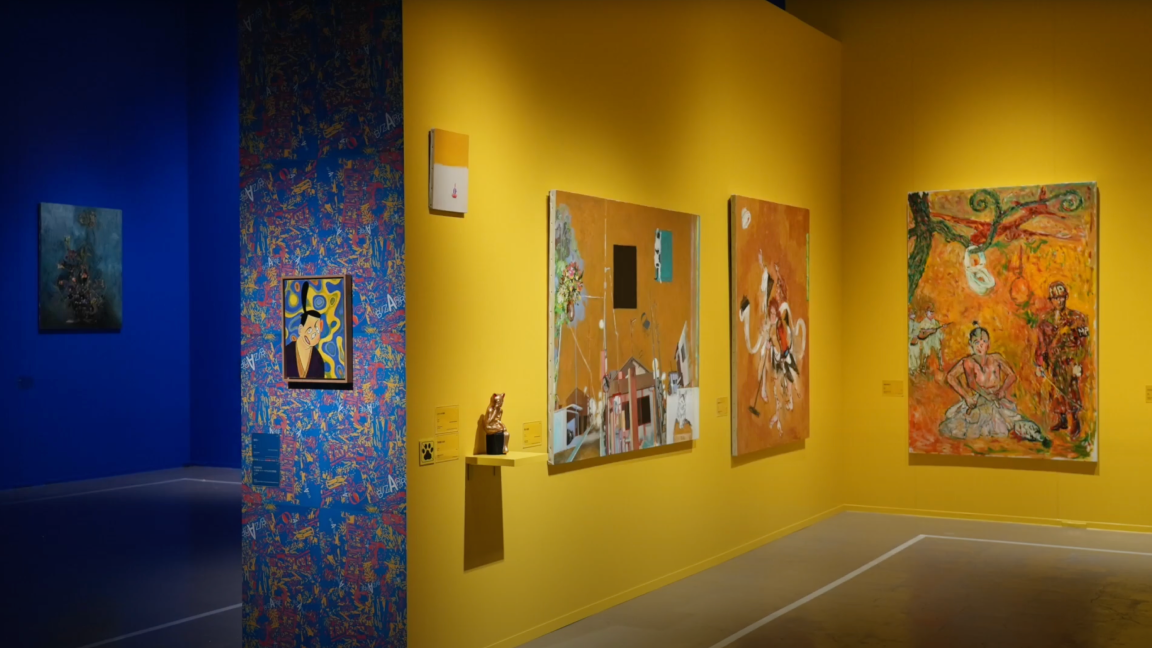
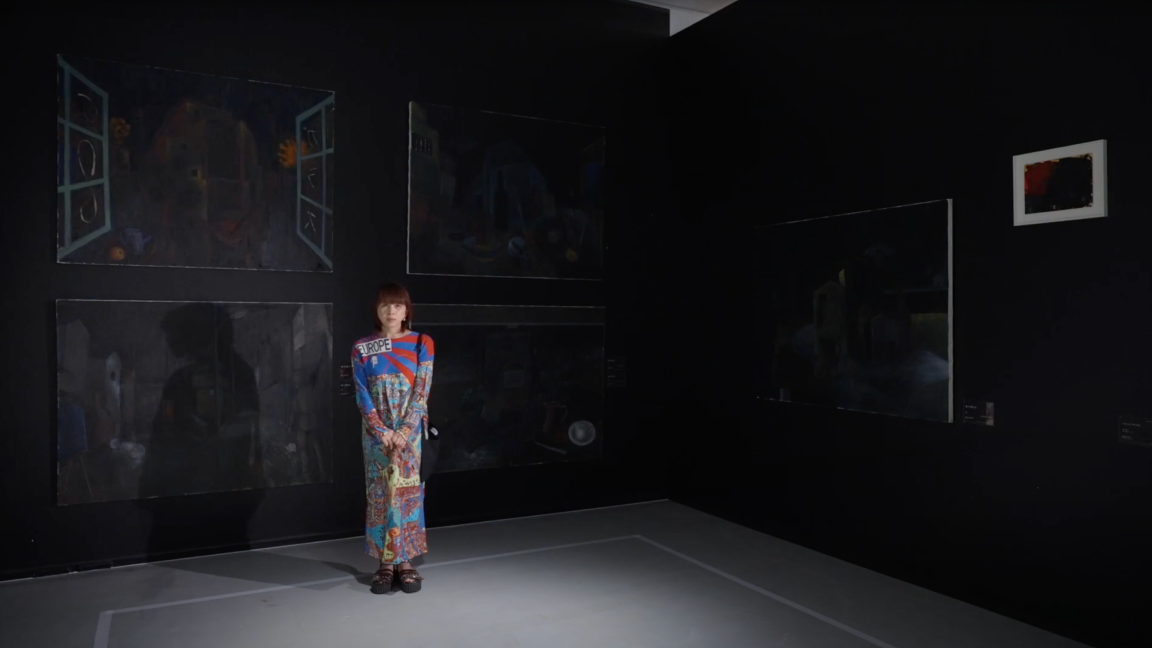
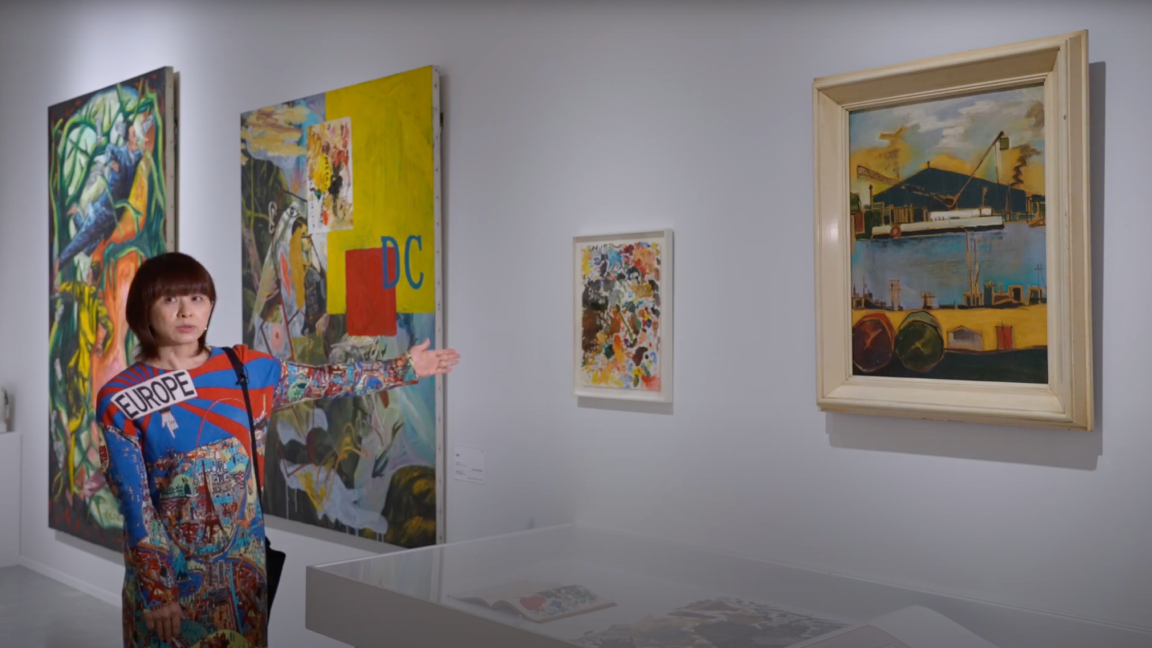
Mr. Yokoo’s Palette showcases artist Yokoo Tadanori’s striking use of color, tracing his vibrant painting career since his “painter’s declaration” in the early 1980s. This pivotal moment marked his shift from graphic design to a prolific period of pictorial experiments, creating diverse works without fixed subjects or styles. The exhibition uniquely reorganizes his artistic world by categorizing paintings from series like Pink Girl and Y-junction based on their dominant hues, transforming the museum galleries into a grand palette. Visitors will discover background materials, including actual used palettes and paints from his studio, offering a glimpse into his creative process. This presentation invites reflection on the overwhelming power of Yokoo’s colors and how a singular artistic element can define an entire body of work, offering a fresh perspective on his timeless vision.

Why should you watch this?

The film Mr. Yokoo’s Palette is urgently relevant now because it shows how color reshapes perception when attention fragments across screens and crises. By arranging Yokoo’s paintings by hue and treating the galleries as a single palette, the film links his post-1980s experiments to present hopes for repair and renewed attention. Scenes like the volcanic red of Pink Girl and the quiet close-ups of Yokoo’s stained studio palettes offer both sensory exhilaration and documentary intimacy. That mix of visual shock and reflective evidence prompts wonder and thought, leaving viewers with a clear takeaway: learning to read color helps us see and respond more deeply to the world.

Curator

Megumi Hirabayashi

Bio

Megumi Hirabayashi is curator at the Yokoo Tadanori Museum of Contemporary Art, Kobe. She previously worked at the 21st Century Museum of Contemporary Art, Kanazawa, and with Gifu Prefectural Museum Hida. Hirabayashi plays a central role in managing Yokoo’s archives, selecting both finished and in-process works for exhibition, and she champions displays that reveal not only Yokoo’s iconic finished pieces but also his sketches, idea notebooks, and lesser-seen creative material.

All films Last updated: 15/09/2025

Artist

Tadanori Yokoo

Bio

Tadanori Yokoo (born 1936 in Nishiwaki, Hyogo, Japan) is a celebrated Japanese graphic designer, illustrator, printmaker, and painter, widely recognized as one of Japan’s most influential contemporary artists. After a successful career in graphic design in the 1960s and 70s, where he gained international acclaim for his psychedelic, pop art-infused posters and album covers, he shifted his focus to painting in 1981. Yokoo’s work is characterized by its vibrant colors, intricate collages, and a unique blend of Japanese tradition with Western influences, often exploring themes of mysticism, the subconscious, and the human condition. His diverse career and unconventional approach have left an indelible mark on both Japanese and international art.

All films Last updated: 15/09/2025
Share Your Further Learning Recommendation
Follow us on social media
Logo
Share this film

The floor is yours

Explore

  • About
  • Contacts
  • FAQ
  • Collaborate
  • Any ideas?

Network

  • Institutions
  • Contributors
  • Partners
  • Support us

Transparency

  • Accessibility
  • Sustainability
  • #GoodForEducation
  • Usage Policy
  • Cookies

Latest guided tour films

loader

By subscribing, you acknowledge and agree that we will store, process, and manage your personal information in accordance with our Privacy Policy.

Stay tuned

  • instagram
  • facebook
  • linkedin
  • bluesky
  • mastodon
  • Imprint
  • Privacy Policy
  • Community Guidelines
  • Jobs

© 2026 excoursio e.V. (non-profit). All rights reserved.