
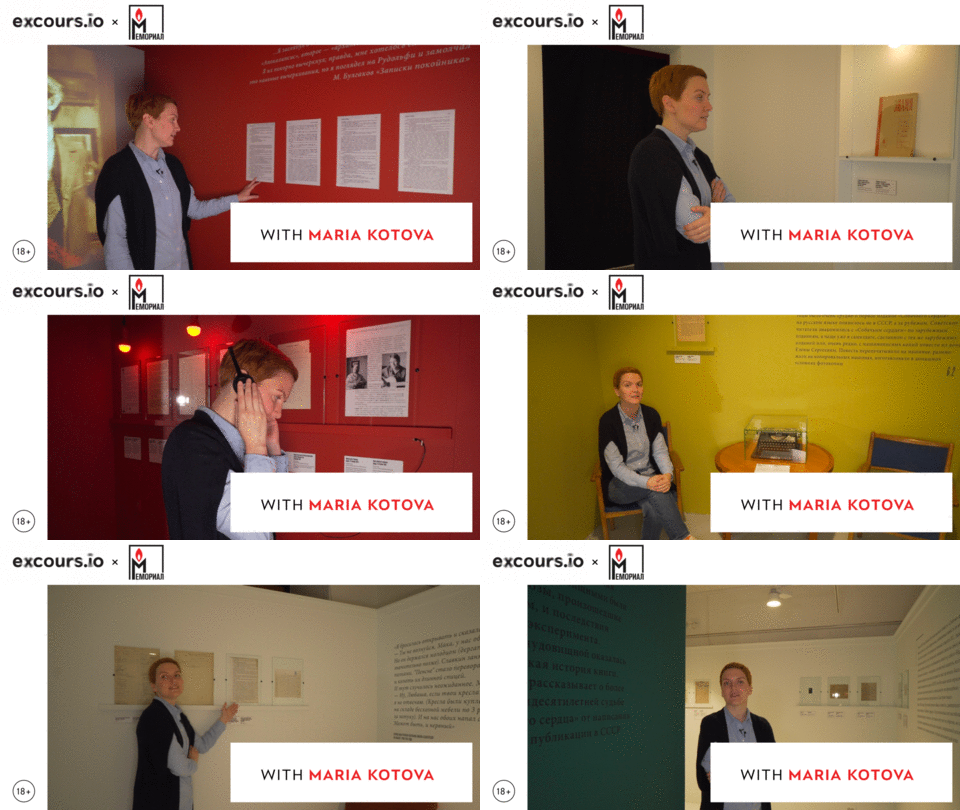
“Heart of a Dog” : Adventures of a Banned Book. A Monstrous Story
 Russia
 Moscow
 2019
2019
 75
75
The exhibition Heart of a Dog: Adventures of a Banned Book. A Monstrous Story delves into the provocative themes of banned literature, spotlighting the cultural ripples caused by censorship. Through a compelling blend of visual art and literary references, this showcase invites visitors to reflect on the power of words and the resilience of artistic expression. By intertwining the narrative of Mikhail Bulgakov’s infamous novella with contemporary artistic interpretations, the exhibition not only celebrates the defiance against oppression but also fosters a dialogue on freedom and creativity in our modern world.
Why should you watch this?
This exhibition boldly confronts the legacy of censorship through Mikhail Bulgakov’s iconic novella. This engaging showcase interweaves contemporary artistic interpretations with the rich narrative of a story that has faced bans and challenges throughout history. Visitors will be invited to reflect on the resilience of creativity and the vital role of free expression in society. By exploring the intersection of literature and visual art, this exhibition not only honors those who defy oppression but also ignites crucial conversations about the boundaries of artistic freedom today.
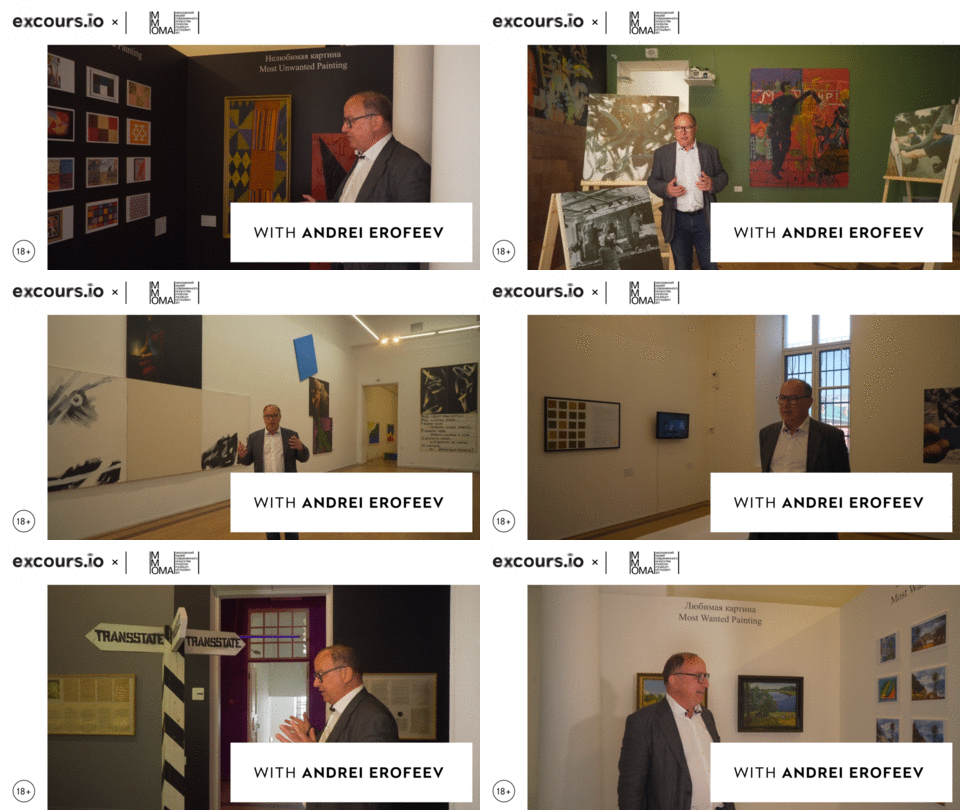
KOMAR & MELAMID
Russia
Moscow
2019
135
KOMAR & MELAMID delves into the fusion of art and ideology, spotlighting the pioneering duo known for their satirical takes on Soviet culture. This exhibition showcases their innovative approach to ‘Sots Art,’ a movement that critiques the socialist aesthetic while playfully engaging with the political and commercial landscapes of the 20th century. Through a diverse array of works, including paintings, installations, and conceptual pieces, Komar and Melamid invite viewers to reconsider the purpose and function of art in society. Their collaboration challenges traditional boundaries, marrying humor with profound sociopolitical commentary—a must-see for anyone interested in contemporary art’s dialogue with history and culture.
Why should you watch this?
This exhibition represents the place where art meets incisive commentary on society and culture. This dynamic duo takes you on a journey through the playful yet poignant realm of Sots Art, characterized by a mix of humor and critique. Their works challenges normative ideals and question the role of art under Soviet influence, making it both a historical exploration and a contemporary dialogue. By engaging with their art, you’ll uncover layers of meaning about ideological constructs, consumerism, and identity. It’s a unique opportunity to reflect on how these themes continue to resonate today. Experience firsthand how Komar and Melamid’s innovative spirit invites a critical look at the world around us — ensuring you walk away with new insights and a deeper appreciation for the complexities of art.
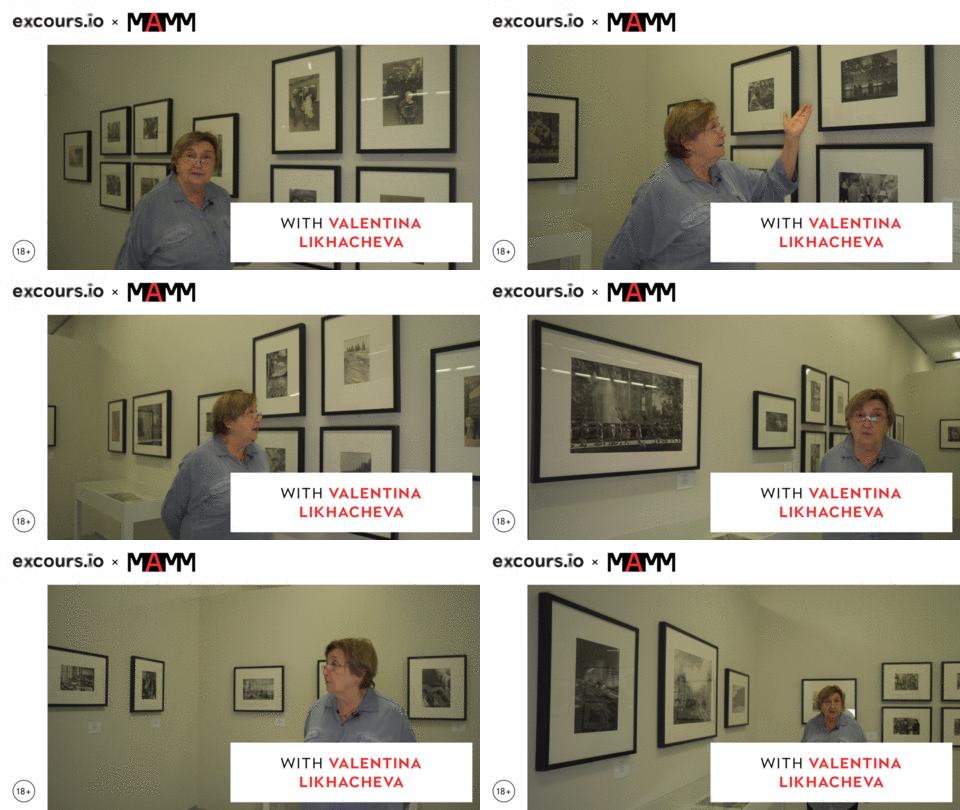
Mikhail Grachev. Soviet Daily Life. 1930s—1960s
Russia
Moscow
2019
62
In Mikhail Grachev. Soviet Daily Life. 1930s—1960s through an array of photographs, artifacts, and multimedia installations, attendees are invited to experience the complexities of everyday existence during a transformative era in Russian history. The exhibition captures the interplay of culture, politics, and personal narratives, reflecting how art and design were interwoven into the fabric of daily routines — from the bustling streets to communal celebrations. By showcasing both the mundane and the extraordinary, the exhibition offers a unique lens on how people lived, worked, and dreamt in a time of significant socio-political change, encouraging visitors to ponder the lasting impact of this period on contemporary society and culture.
Why should you watch this?
Within this exhibition you can immerse yourself in a pivotal chapter of history at this thought-provoking exhibition that brings to life Soviet daily life from the 1930s to the 1960s. Explore a rich collection that reveals the nuances of everyday existence during an era marked by both creative expression and political upheaval. From candid photographs to everyday objects, the showcase highlights the resilience and spirit of individuals navigating a complex social landscape. Beyond mere nostalgia, this exhibition invites you to reflect on how art shaped identity and community, providing timeless lessons on the interplay between personal life and broader societal movements.