
Menu

  • Categories
    • Arts
    • Culture
    • History
    • Music
    • Philosophy
    • Society & Politics
    • Technology & Science
  • Collections
  • Tags
  • Institutions
  • Contributors
  • All Films
  • Random Film

About

excoursio is a free platform for immersive guided tours, turning one-time walkthroughs into lasting learning experiences. excours.io means culture for everyone, everywhere.

Stay tuned

  • instagram
  • facebook
  • linkedin
  • bluesky
  • mastodon
Richard Paulick’s career was a mosaic of contradictions — modernist Bauhaus ideals alongside socialist industrialism, avant-garde innovation woven into national architectural traditions. His life was marked by war, shifting ideologies, and forced relocations, yet his dedication to architecture never wavered. Paulick emerged as one of the most influential architects of the German Democratic Republic, breathing new life into war-torn cities like Dresden and Berlin, while also shaping the industrial landscapes of smaller East German towns. Remarkably, his work extended far beyond Europe’s borders, leaving a legacy in pre-communist Shanghai as well. The exhibition at the Bauhaus Dessau Foundation, a beacon of German avant-garde architecture, vividly captures Paulick’s lifelong quest for self-realization in the face of the political and social currents of the 20th century. Through his work, the complexities of personal and ideological resilience unfold, offering viewers a window into both the man and the turbulent world he helped to shape.The exhibition serves as a poignant exploration of the pervasive and often absurd censorship that defined Soviet culture over 70 years. By navigating through the Russian alphabet—from the arrest of manuscripts to the Yauza tape recorder and the underground phenomenon of magnitizdat—visitors will uncover a narrative rich in both cruelty and resilience. Each letter unveils stories of meticulous scrutiny and cold repression, highlighting the complex interplay between censorship and state security, while also showcasing remarkable acts of civil defiance against artistic oppression. Enhanced by an array of documents, media, and artifacts, this exhibition invites you to explore the hidden layers of Soviet history and the power of creative expression that endeavored to resist the “red pencils” of authority.The exhibition critically examines the evolution of mass mobilization and crowd dynamics in both historical and contemporary contexts, drawing inspiration from Elias Canetti’s “Crowds and Power.” Set against the backdrop of the GfZK’s new architectural space, the exhibition engages with the complexities of collective action, exploring how digital public spheres shape democratic participation while simultaneously being exploited for exclusionary practices. Featuring a rich array of video installations and cinematic works, including the new production “70.001,” which reimagines the 1989 Leipzig demonstrations, “Majorities” invites reflection on the nuances of social behavior and the implications of simulated experiences in gaming and surveillance. Through this thoughtful presentation, Wedemeyer prompts us to consider the intertwining narratives of isolation and community, resonating powerfully in today’s fragmented society.The exhibition delves deep into the captivating world of shells and snails as seen through the lenses of iconic modern photographers like Edward Weston and Imogen Cunningham. This pioneering showcase assembles a rich tapestry of images, tracing humanity’s longstanding fascination with these natural forms—from their mathematical elegance to their cosmic symbolism. Grounded in Alfred Ehrhardt’s seminal works, including his influential books “Muscheln und Schnecken” and “Geprägte Form,” the exhibition also highlights the intersection of art and science, featuring innovative techniques like X-ray photography and the New Objectivity movement. Beyond mere visual appeal, the show offers an exploration of cultural significance, inviting viewers to reflect on the beauty and complexity of these “structural forms in nature,” culminating in the screening of Ehrhardt’s award-winning film “Tanz der Muscheln.”“Arrival of the Train” is a captivating exhibition that unites over a hundred artistic works from both Russian and international creators, celebrating the train’s rich cultural significance as a harbinger of change and progress. It delves into the multifaceted roles of trains throughout history—from transformative technological marvels to poignant symbols in art—inviting viewers to journey through time and space. Showcasing everything from the historic funeral train of Lenin to the nostalgic echoes of the Trans-Siberian Railway, the exhibition highlights the train’s enduring impact on civilization and its power as a vessel for communication and innovation, ultimately crafting a shared narrative that connects cultures and eras in a uniquely dynamic way.
Toggle sidebar & navigation
  • Categories
    • Arts
    • Culture
    • History
    • Music
    • Philosophy
    • Society & Politics
    • Technology & Science
  • Collections
  • Tags
  • Institutions
  • Contributors
  • All Films
  • Random Film
excoursio
https://www.youtube.com/watch?v=kUaqYIt9ihM&rel=0&autoplay=0&controls=1&wmode=transparent&enablejsapi=1
Requiem: Cats, Portraits, and Yokoo Tadanori
18+
Yokoo Tadanori Museum of Contemporary Art Arts | Culture | Philosophy

Requiem: Cats, Portraits, and Yokoo Tadanori

0 comments
Original Exhibition Title: レクイエム 猫と肖像と一人の画家
Japan Kobe 2024 17 Japanese Japanese, English
Artistic ResearchContemporary ArtCultural MemoryDaily LifeHumanismIndividual and Collective in ArtMuseum Engagement

All rights and copyrights to the film are held by the producer: Yokoo Tadanori Museum of Contemporary Art, Kobe, Japan.

For any legal inquiries, please contact the museum directly.

excoursio does not hold any copyright; it merely shares the original film material to support wider access and the dissemination of knowledge.

In a nutshell

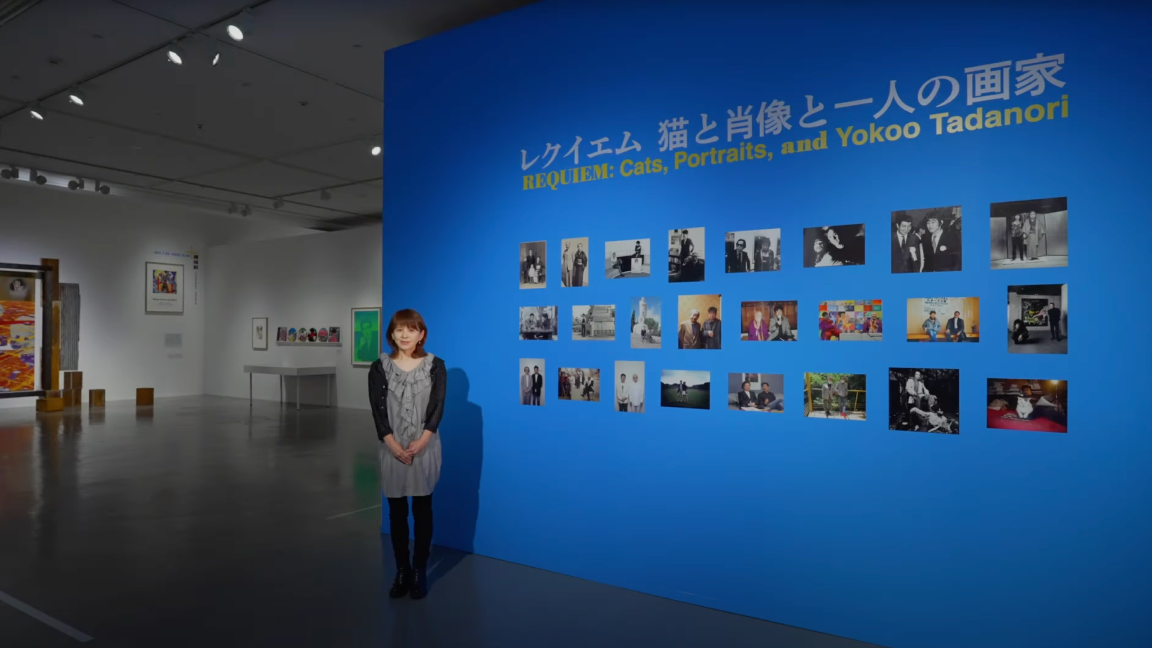
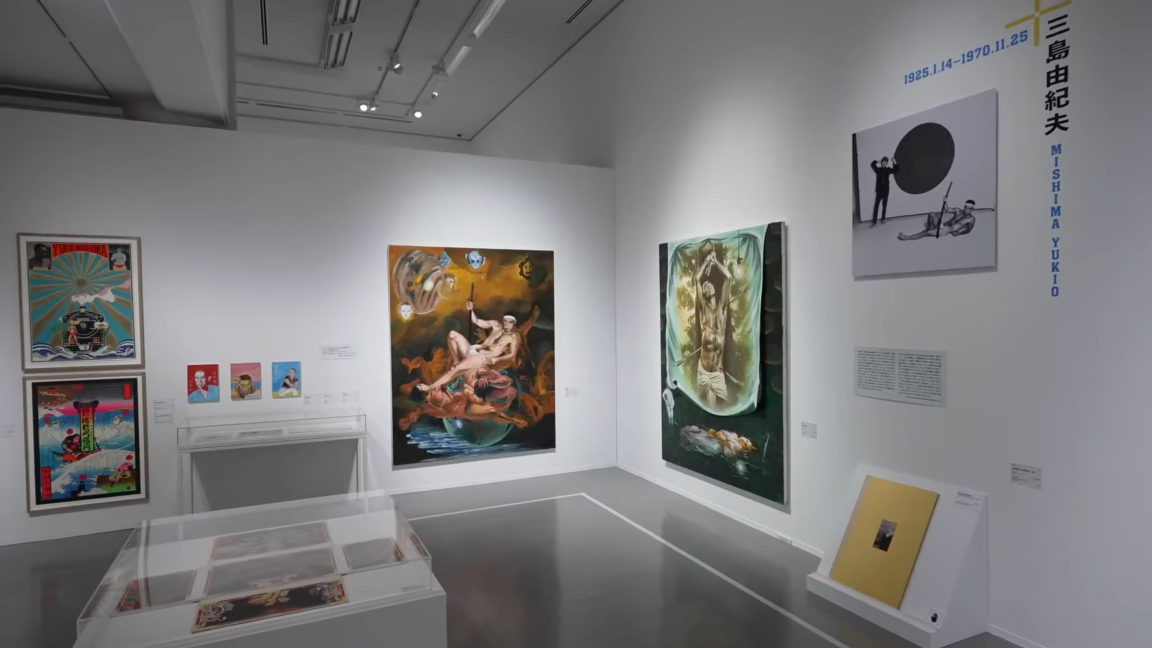
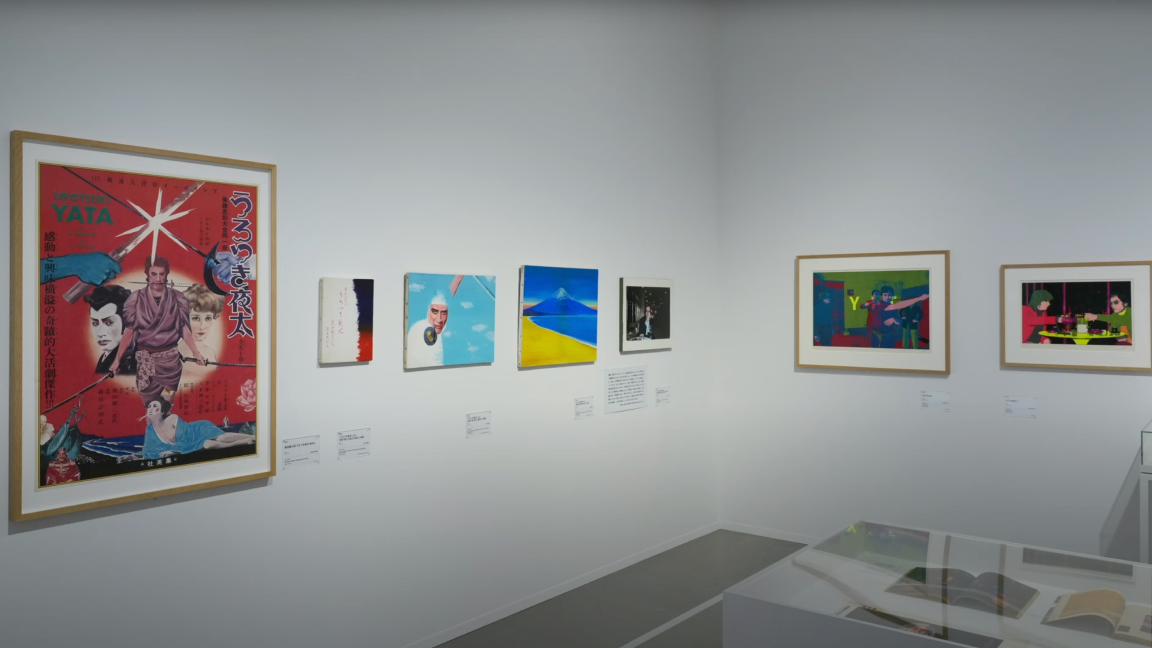
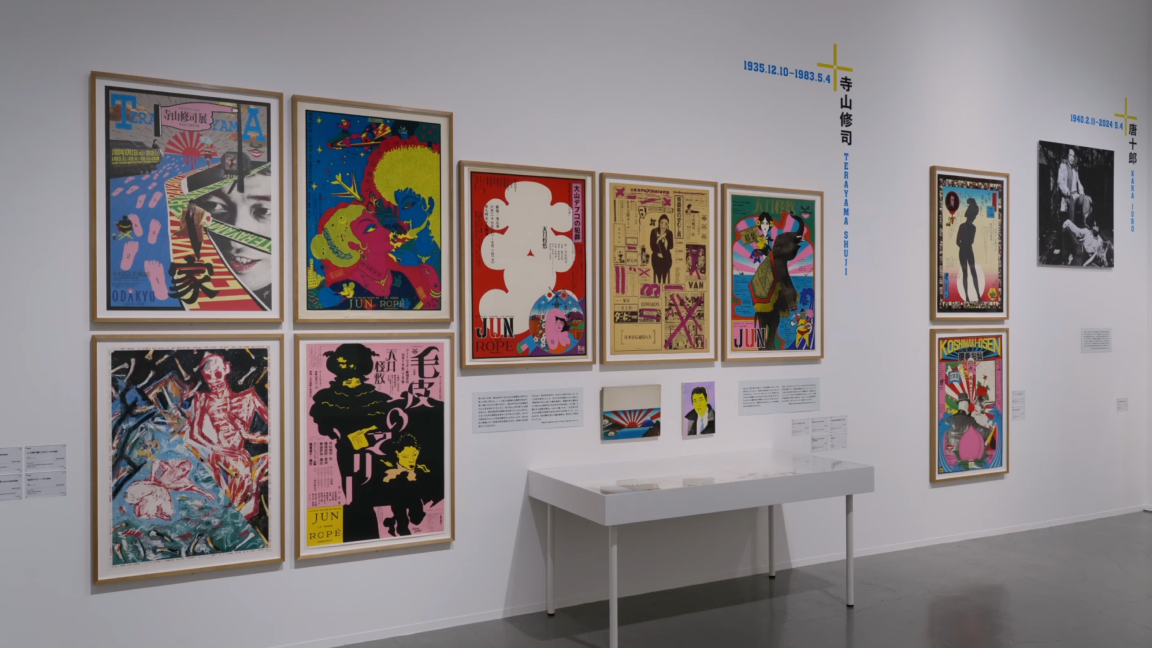
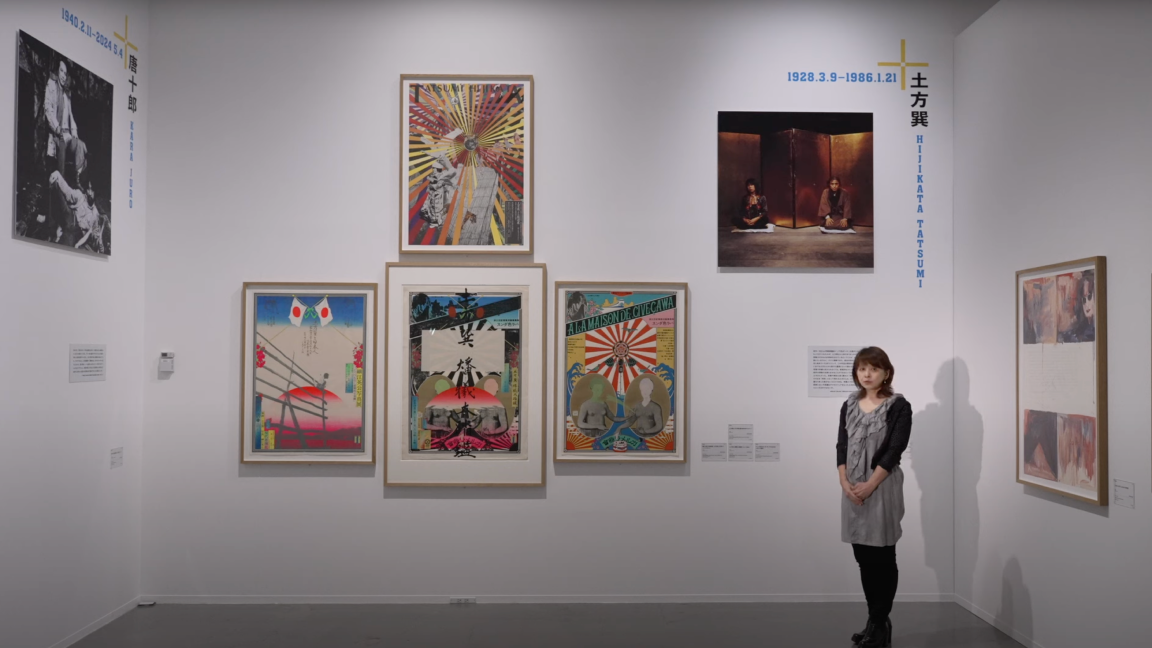
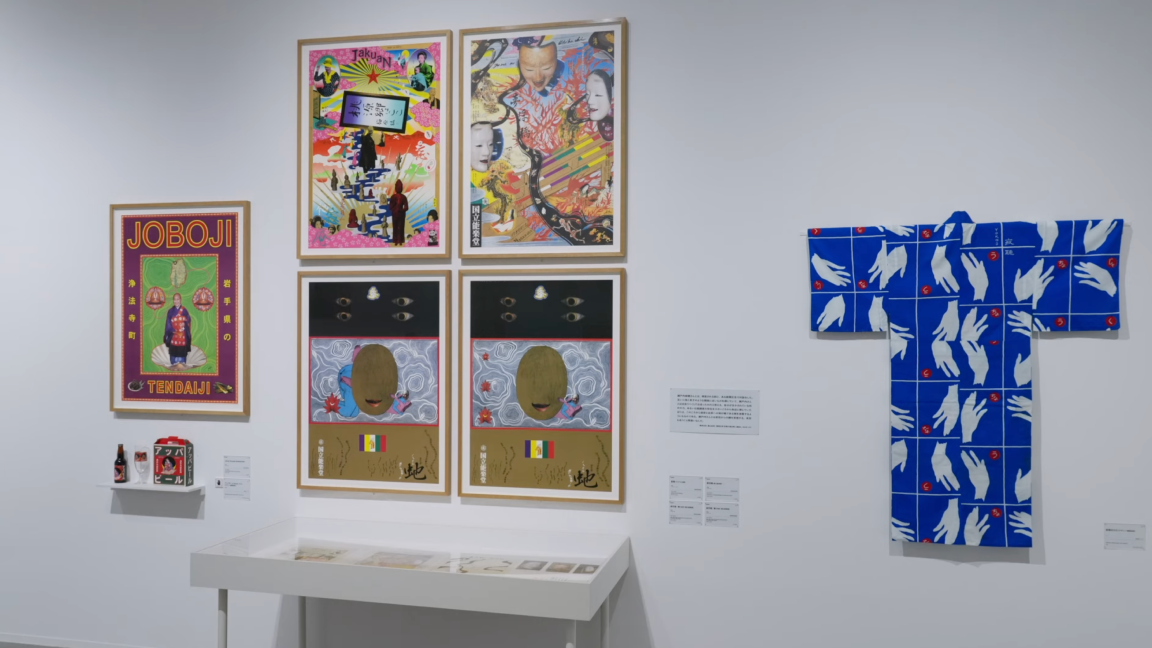
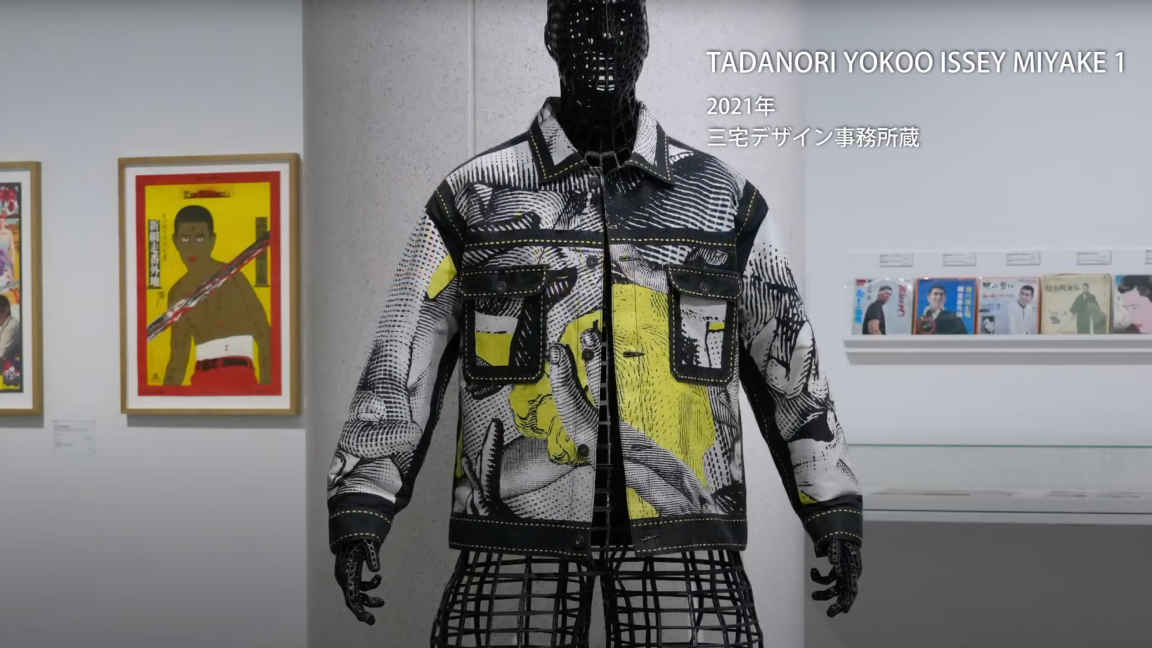
Requiem: Cats, Portraits explores artist Yokoo Tadanori’s profound connections with departed friends, family, and beloved cats, tracing his influential career from the 1960s to the present. Born in 1936, Yokoo’s artistic journey has always been shaped by deep personal relationships and collaborative endeavors across various creative fields. The exhibition features portraits and personal statements, alongside items like the Tama, Come Home series, dedicated to his late cat. Visitors will also see examples of his enduring friendship with designer Issey Miyake, including iconic invitation designs from the 1970s onwards. This unique presentation invites viewers to reflect on how cherished relationships transcend time, influencing an artist’s vision and offering a glimpse into a timeless “Yokoo World.”

Why should you watch this?

The film Requiem: Cats, Portraits speaks to the need to keep memories alive in a time when loss touches many lives. Yokoo Tadanori’s portraits of friends, family, and his late cat Tama are not only records of affection but also reminders of how relationships shape creative vision. The display of Issey Miyake’s invitations alongside Yokoo’s drawings captures the energy of a friendship that spanned decades, showing how personal ties can fuel artistic innovation. Moving between private recollection and shared cultural history, the work invites viewers to consider how love, grief, and memory continue to shape the world we inhabit.

Curator

Megumi Hirabayashi

Bio

Megumi Hirabayashi is curator at the Yokoo Tadanori Museum of Contemporary Art, Kobe. She previously worked at the 21st Century Museum of Contemporary Art, Kanazawa, and with Gifu Prefectural Museum Hida. Hirabayashi plays a central role in managing Yokoo’s archives, selecting both finished and in-process works for exhibition, and she champions displays that reveal not only Yokoo’s iconic finished pieces but also his sketches, idea notebooks, and lesser-seen creative material.

All films Last updated: 15/09/2025

Artist

Tadanori Yokoo

Bio

Tadanori Yokoo (born 1936 in Nishiwaki, Hyogo, Japan) is a celebrated Japanese graphic designer, illustrator, printmaker, and painter, widely recognized as one of Japan’s most influential contemporary artists. After a successful career in graphic design in the 1960s and 70s, where he gained international acclaim for his psychedelic, pop art-infused posters and album covers, he shifted his focus to painting in 1981. Yokoo’s work is characterized by its vibrant colors, intricate collages, and a unique blend of Japanese tradition with Western influences, often exploring themes of mysticism, the subconscious, and the human condition. His diverse career and unconventional approach have left an indelible mark on both Japanese and international art.

All films Last updated: 15/09/2025
Share Your Further Learning Recommendation
Follow us on social media
Logo
Share this film

The floor is yours

Explore

  • About
  • Contacts
  • FAQ
  • Collaborate
  • Any ideas?

Network

  • Institutions
  • Contributors
  • Partners
  • Support us

Transparency

  • Accessibility
  • Sustainability
  • #GoodForEducation
  • Usage Policy
  • Cookies

Latest guided tour films

loader

By subscribing, you acknowledge and agree that we will store, process, and manage your personal information in accordance with our Privacy Policy.

Stay tuned

  • instagram
  • facebook
  • linkedin
  • bluesky
  • mastodon
  • Imprint
  • Privacy Policy
  • Community Guidelines
  • Jobs

© 2026 excoursio e.V. (non-profit). All rights reserved.