
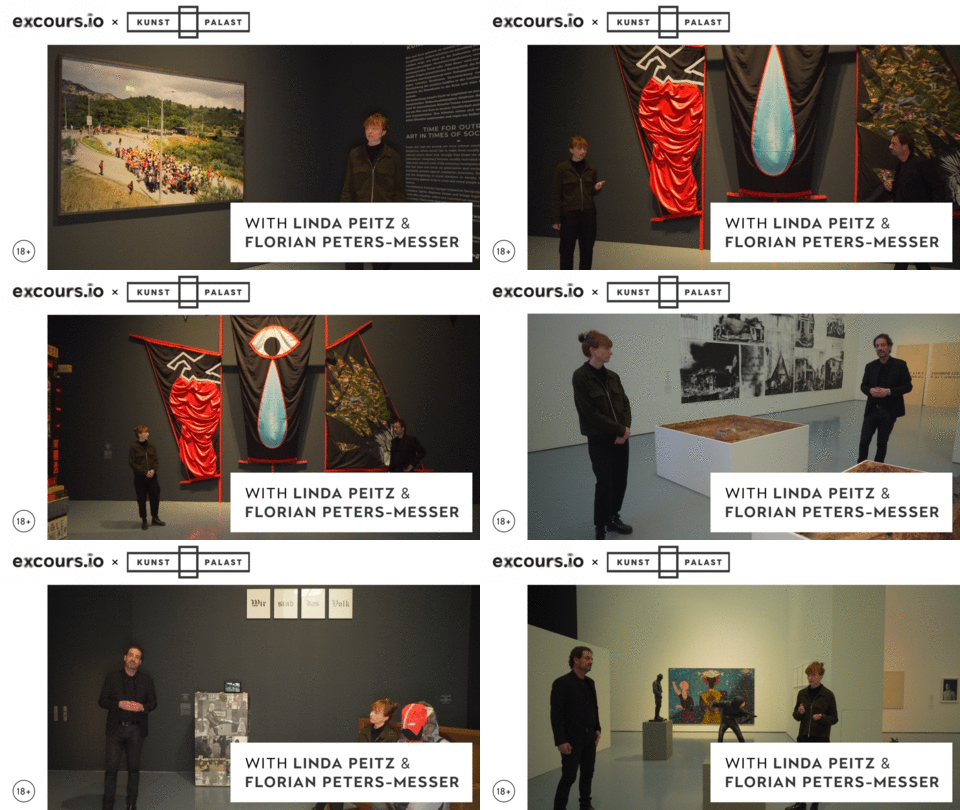
TIME FOR OUTRAGE! Art in Times of Social Anger | Protest
 Germany
 Dusseldorf
 2020
2020
 24
24
Can anger and rage be justified in a world riddled with oppression and inequality? Are these emotions destructive forces or vital catalysts for social change? As democracy faces crises and populism gains ground globally, these questions have sparked renewed debate. Contemporary artists have responded, using their work to navigate and challenge the pressing issues of our time. The exhibition Time for Outrage! in Düsseldorf explores these questions through six thematic blocks: Right-wing Shift, Trumpism, Protest, Postcolonialism, Feminism, and Discrimination. Across a diverse range of mediums — including installations, drawings, paintings, sculptures, photography, and video art — 40 international artists immerse viewers in the visceral realms of protest, social dissent, and public anger. The exhibition doesn’t just present anger as a raw emotion; it portrays it as a vehicle for dialogue, resistance, and empowerment in the face of systemic injustice.
Why should you watch this?
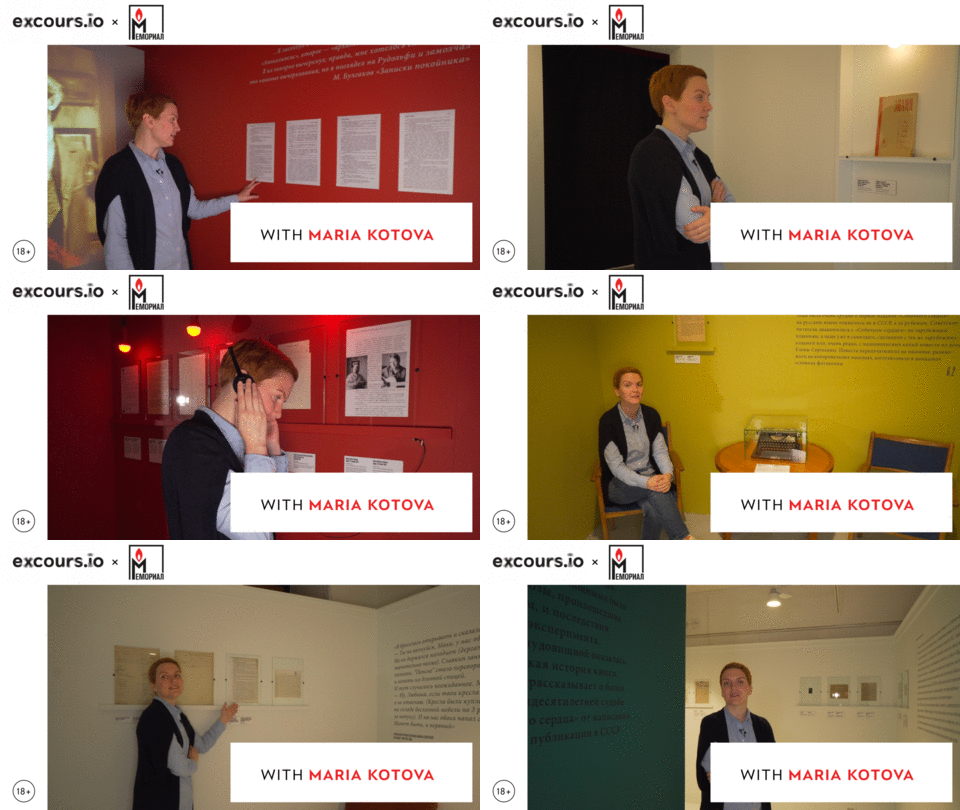
“Heart of a Dog” : Adventures of a Banned Book. A Monstrous Story
Russia
Moscow
2019
75
The exhibition Heart of a Dog: Adventures of a Banned Book. A Monstrous Story delves into the provocative themes of banned literature, spotlighting the cultural ripples caused by censorship. Through a compelling blend of visual art and literary references, this showcase invites visitors to reflect on the power of words and the resilience of artistic expression. By intertwining the narrative of Mikhail Bulgakov’s infamous novella with contemporary artistic interpretations, the exhibition not only celebrates the defiance against oppression but also fosters a dialogue on freedom and creativity in our modern world.
Why should you watch this?
This exhibition boldly confronts the legacy of censorship through Mikhail Bulgakov’s iconic novella. This engaging showcase interweaves contemporary artistic interpretations with the rich narrative of a story that has faced bans and challenges throughout history. Visitors will be invited to reflect on the resilience of creativity and the vital role of free expression in society. By exploring the intersection of literature and visual art, this exhibition not only honors those who defy oppression but also ignites crucial conversations about the boundaries of artistic freedom today.
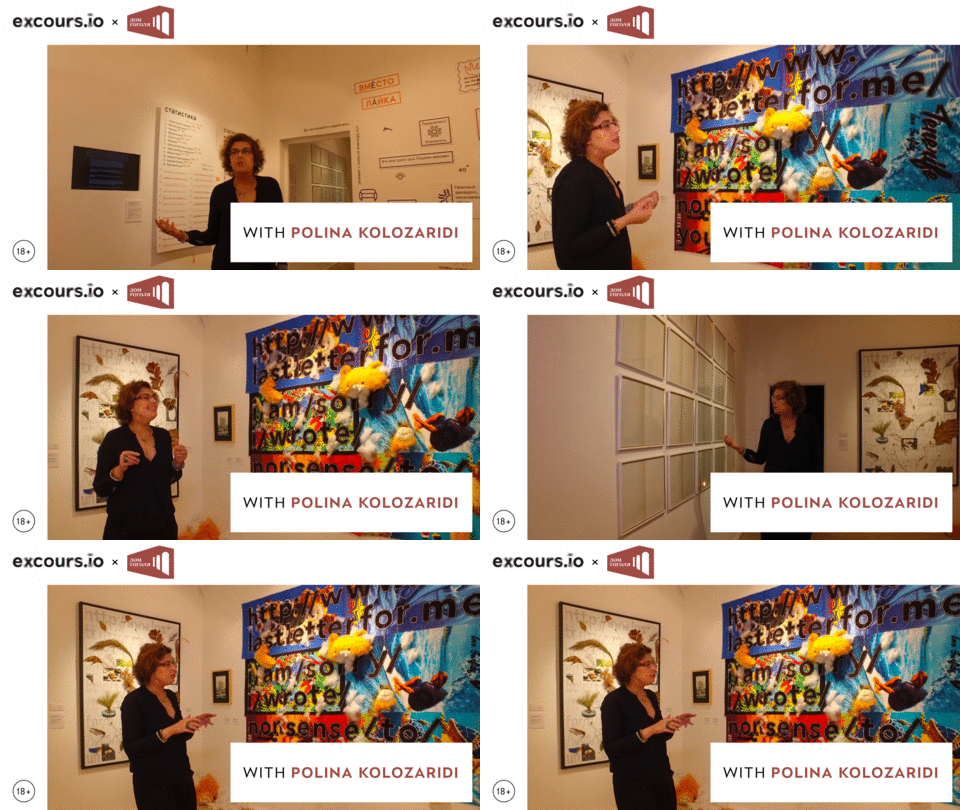
“Your Feedback is Very Important for Us”
Russia
Moscow
2018
47
The exhibition “Your review is very important to us” delves into the evolving landscape of reader engagement with classical literature, inviting visitors to explore how expressions of opinion have transformed from the 19th century to today’s digital era. Through a compelling blend of research by philologist Anna Gerasimova and innovative works from contemporary Russian artists, the show raises thought-provoking questions about the interplay between amateur reviews and literary criticism. Viewers will experience how machine learning interprets text, engage with an audio installation that echoes voices from the past and present, and even connect Nabokov’s correspondence to modern digital discourse.
Why should you watch this?
The exhibition “Your review is very important to us” holds significant relevance in today’s digital landscape, where reader voices and online reviews have transformed the way we engage with classical literature. In an age that celebrates individual expression, the show challenges traditional hierarchies of literary criticism by emphasizing the importance of personal perspectives alongside established viewpoints. It invites us to reflect on how technology, from machine learning to social media, reshapes our interaction with texts and broadens our understanding of art and literature. By highlighting the dynamic relationship between modern readers, artists, and classical works, this exhibition not only redefines the role of the audience in literary discourse but also underscores the importance of diverse interpretations in a cultural dialogue increasingly shaped by digital platforms.