
Menu

  • Categories
    • Arts
    • Culture
    • History
    • Music
    • Philosophy
    • Society & Politics
    • Technology & Science
  • Collections
  • Tags
  • Institutions
  • Contributors
  • All Films
  • Random Film

About

excoursio is a free platform for immersive guided tours, turning one-time walkthroughs into lasting learning experiences. excours.io means culture for everyone, everywhere.

Stay tuned

  • instagram
  • facebook
  • linkedin
  • bluesky
  • mastodon
Richard Paulick’s career was a mosaic of contradictions — modernist Bauhaus ideals alongside socialist industrialism, avant-garde innovation woven into national architectural traditions. His life was marked by war, shifting ideologies, and forced relocations, yet his dedication to architecture never wavered. Paulick emerged as one of the most influential architects of the German Democratic Republic, breathing new life into war-torn cities like Dresden and Berlin, while also shaping the industrial landscapes of smaller East German towns. Remarkably, his work extended far beyond Europe’s borders, leaving a legacy in pre-communist Shanghai as well. The exhibition at the Bauhaus Dessau Foundation, a beacon of German avant-garde architecture, vividly captures Paulick’s lifelong quest for self-realization in the face of the political and social currents of the 20th century. Through his work, the complexities of personal and ideological resilience unfold, offering viewers a window into both the man and the turbulent world he helped to shape.In the early 1960s, photography emerged as a recognized art form, yet, in Latvia, it struggled for acceptance in traditional art spaces. The establishment of the Photo Club “Rīga” in 1962 marked a pivotal moment, fostering a vibrant community that embraced photography’s artistic potential. This collective became a vital force in shaping the perception of art photography both locally and globally, drawing in visionary talents who pushed creative boundaries. The club’s ongoing legacy reflects not just the evolution of photography as an art form but also its enduring relevance within contemporary Latvian culture. As it adapts to new challenges and styles, the Photo Club remains a cherished cornerstone, celebrating its historical impact while inspiring future generations of photographers.As part of the Classics of Russian Photography program, MAMM presents the first large-scale retrospective of renowned contemporary photographer Vladimir Bogdanov. The exhibition features over 100 photographs from the Multimedia Art Museum, Moscow, highlighting his work from the 1960s to the 1990s. Born in 1937, Bogdanov’s artistic journey began during the Khrushchev thaw, a period that allowed artists to explore themes beyond socialist realism. This era marked a shift where humanism replaced official dogma, enabling photographers to capture the lives of ordinary people. In 1955, while studying at the Textile Institute, he joined the Leningrad photo club VDK, transforming his passion into a profession. His compelling images reflect a deep connection to Russian society and its complexities during a time of change.CLUBS of the FUTURE explores the legacy of communal spaces, particularly the Houses of Culture across Europe and the former GDR, as it reflects on contemporary practices of collectivity and reform. Emerging from research into the 1,800 GDR Houses of Culture—two-thirds of which were closed post-reunification—the project addresses the societal gaps exploited by right-wing groups. Featuring innovative workshop formats, the exhibition includes Ina Wudtke’s video Greif zur Feder (Grab a Pen), Andrea Pichl’s Klub Zukunft (Future Club), and Ming Wong’s KONTAKTHOPE. Highlighting future-oriented projects, it also showcases garden initiatives like Katya Gardea Browne’s A Floating Garden & Exchange of Seeds, emphasizing the ongoing negotiation of shared civic spaces in times of transition. More at https://www.clubsofthefuture.net/The exhibition presents Roman Babichev’s collection as a compelling exploration of Soviet modernism, challenged by decades of controversy surrounding the term due to the anti-formalist campaigns of the 1930s and Cold War ideological battles. Offering a fresh lens, the exhibition sheds light on the often-overlooked variety within Soviet art, breaking down entrenched stereotypes and revealing the interconnections among post-avant-garde communities active after the 1932 ban on creative associations. By emphasizing the nuanced expressions of these artists—whose declarations were rendered in their unique painting styles rather than explicit statements—the exhibition invites viewers to reassess the rich tapestry of Soviet artistic heritage through a symbolist perspective, encouraging a more multidimensional understanding of its evolving narrative.
Toggle sidebar & navigation
  • Categories
    • Arts
    • Culture
    • History
    • Music
    • Philosophy
    • Society & Politics
    • Technology & Science
  • Collections
  • Tags
  • Institutions
  • Contributors
  • All Films
  • Random Film
excoursio
https://www.youtube.com/watch?v=hgpl86rDNT4&rel=0&autoplay=0&controls=1
Yokoo Tadanori's Haunted Museum
18+
Yokoo Tadanori Museum of Contemporary Art Arts | Culture | Philosophy

Yokoo Tadanori’s Haunted Museum

0 comments
Original Exhibition Title: 横尾忠則の恐怖の館
Japan Kobe 2021 13 Japanese Japanese, English
Art and TraumaArtistic ResearchContemporary ArtCultural MemoryEastern ArtMuseum EngagementPsychiatric Institutions

All rights and copyrights to the film are held by the producer: Yokoo Tadanori Museum of Contemporary Art, Kobe, Japan.

For any legal inquiries, please contact the museum directly.

excoursio does not hold any copyright; it merely shares the original film material to support wider access and the dissemination of knowledge.

In a nutshell

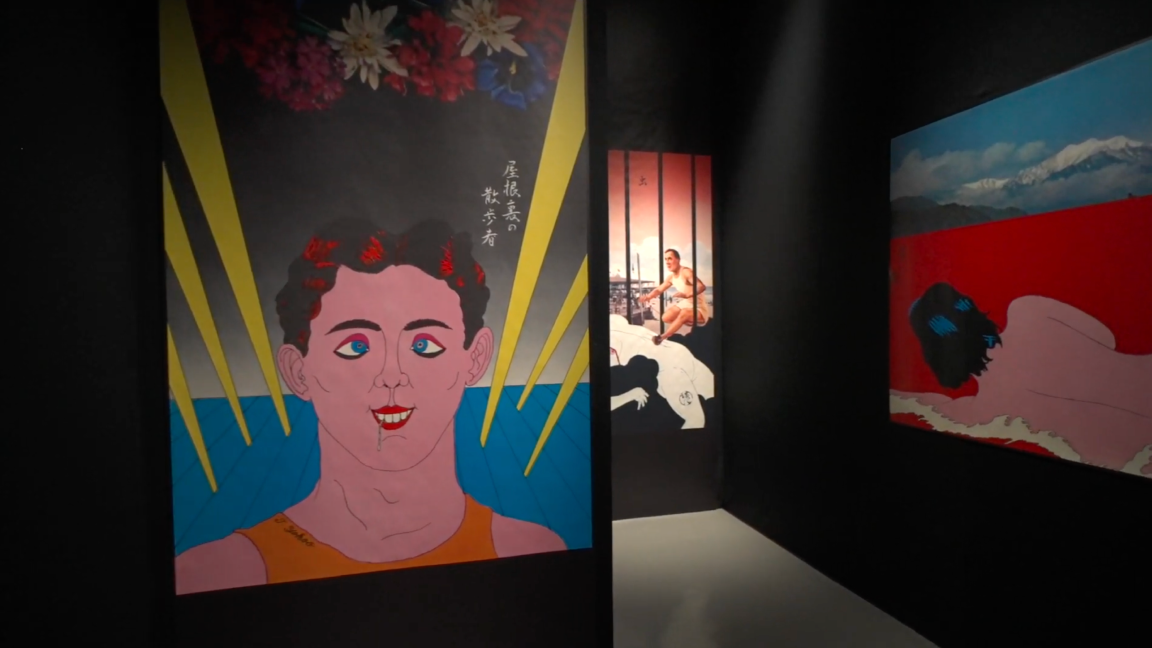
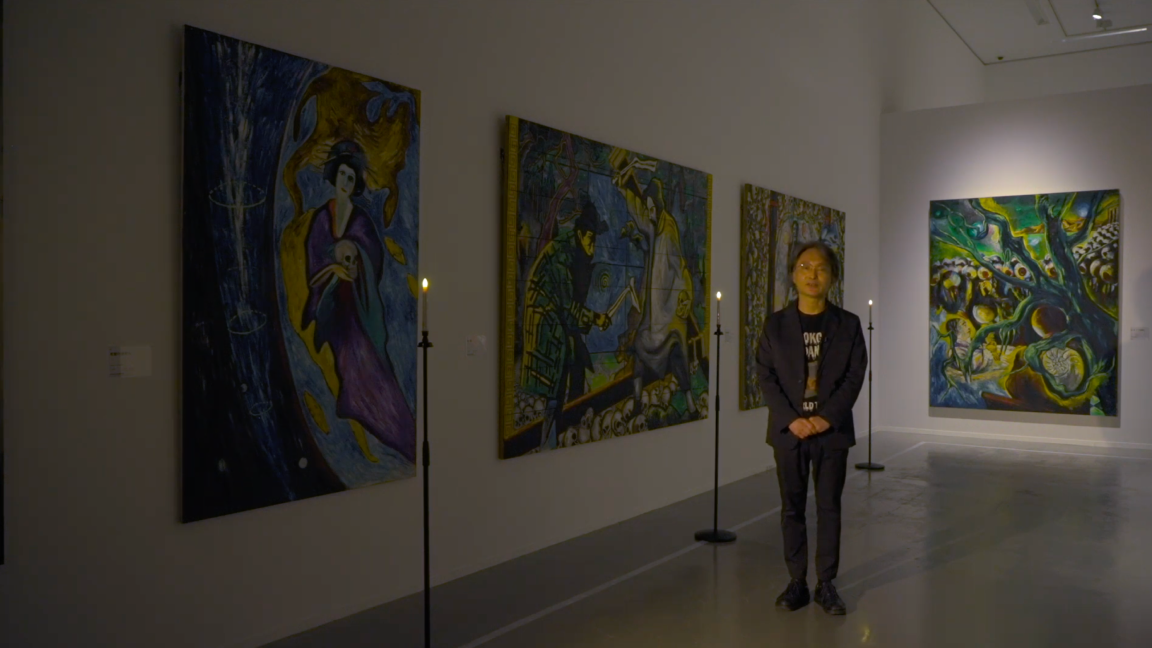
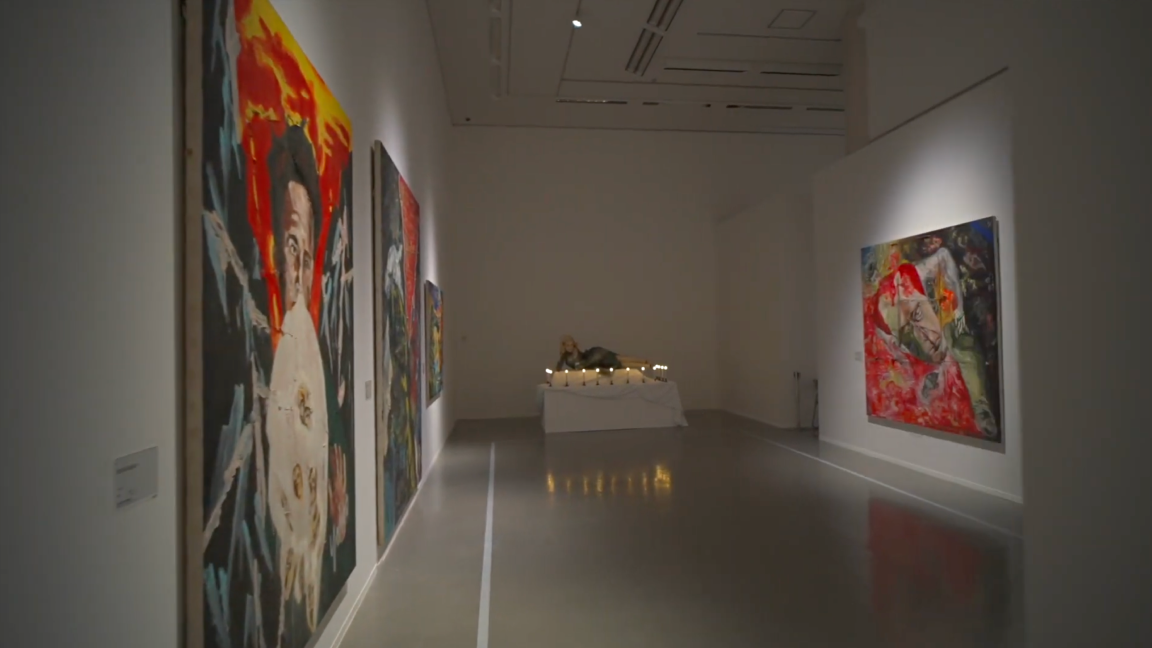
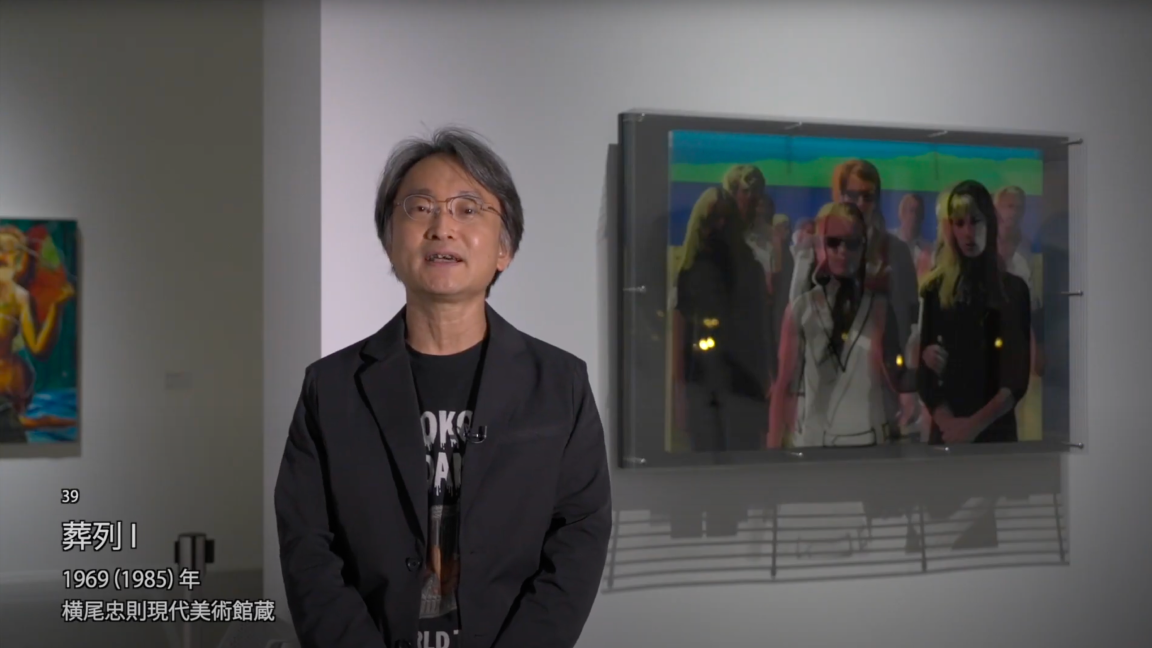
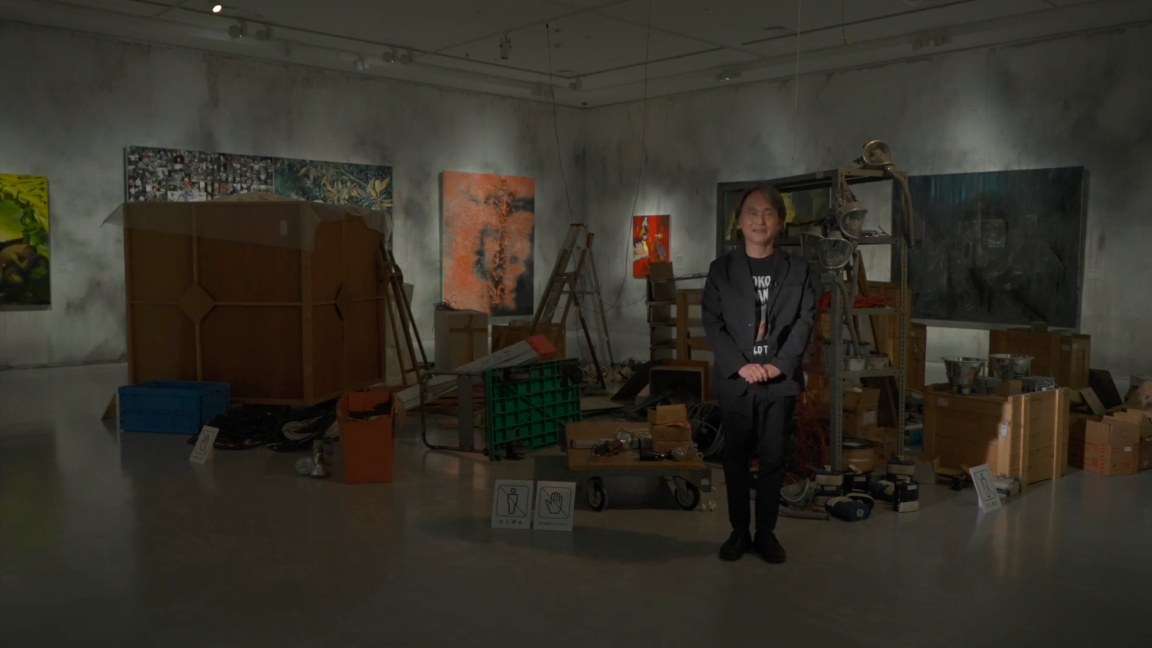
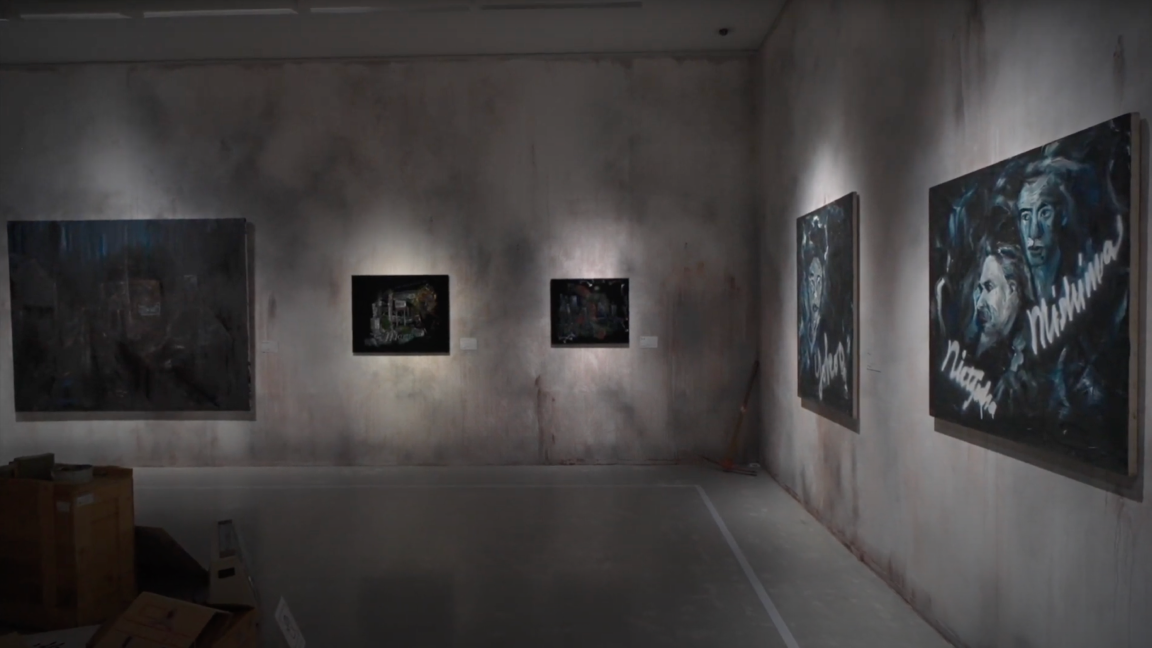
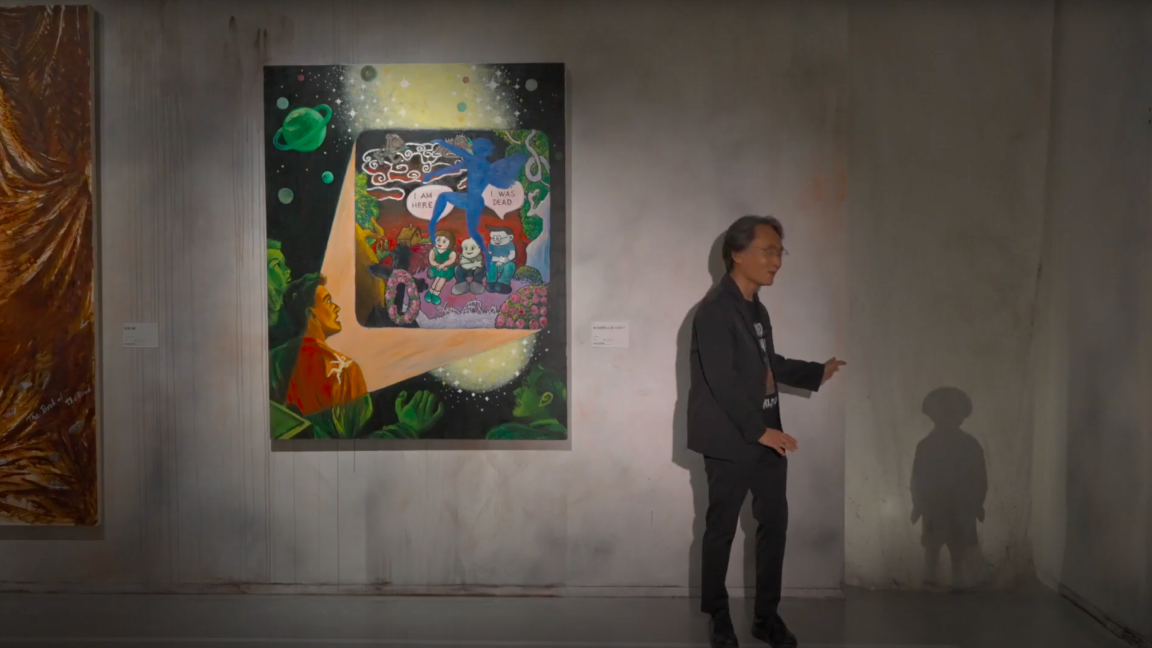
Yokoo Tadanori’s Haunted Museum presents a compelling exploration of the intrinsic connection between art and fear, featuring a diverse range of the artist’s works. Yokoo Tadanori has consistently pursued phenomena that remain invisible or unexplainable by science, a fascination rooted in his childhood experiences with profound darkness and mystical encounters in Nishiwaki. This deeply personal history informs much of his art, from his celebrated illustrations for the Complete Works of Edogawa Rampo to his paintings created since his “painter’s declaration.” The exhibition, designed with deliberately darkened spaces, encourages visitors to engage with their own ambivalent emotions of wanting to look yet fearing the unknown. It highlights art’s enduring capacity to interpret and express humanity’s primal responses to mystery and the unseen, fostering a reflection on these universal aspects of human existence.

Why should you watch this?

The film Yokoo Tadanori’s Haunted Museum asks what happens when fear and curiosity meet in the same moment. Drawing on childhood nights of complete darkness and on the unsettling imagery of his Edogawa Rampo illustrations, Yokoo turns the unseen into something you can almost touch. A face appearing out of shadow or a mouth repeated like a chant unsettles, yet also holds you in place. The experience lingers because it reminds us that fear is not only about danger but about discovery, and that learning to face it can change how we see the world.

Curator

Atsuo Yamamoto

Bio

Atsuo Yamamoto is a Japanese curator and Chief Curator at the Yokoo Tadanori Museum of Contemporary Art (Y+T MOCA), Kobe. He has held curator roles previously at the Ashiya City Museum of Art & History and the Museum of Modern Art, Shiga. Yamamoto has been closely involved with the establishment of Y+T MOCA since about 2011; the museum opened in November 2012 in a renovated wing of a building originally designed by architect Tōgō Murano. Under his direction, the museum’s holdings have grown to thousands of works and materials — including hundreds of paintings, prints, posters, drawings, photographs and archival boxes — and he oversees the archival, conservation, and exhibition programs. Yamamoto is also known for his interest in post-war Japanese modernism, including the Gutai art movement. He has curated exhibitions and contributed publications about Gutai members such as Saburo Murakami.

All films Last updated: 12/09/2025

Artist

Tadanori Yokoo

Bio

Tadanori Yokoo (born 1936 in Nishiwaki, Hyogo, Japan) is a celebrated Japanese graphic designer, illustrator, printmaker, and painter, widely recognized as one of Japan’s most influential contemporary artists. After a successful career in graphic design in the 1960s and 70s, where he gained international acclaim for his psychedelic, pop art-infused posters and album covers, he shifted his focus to painting in 1981. Yokoo’s work is characterized by its vibrant colors, intricate collages, and a unique blend of Japanese tradition with Western influences, often exploring themes of mysticism, the subconscious, and the human condition. His diverse career and unconventional approach have left an indelible mark on both Japanese and international art.

All films Last updated: 15/09/2025
Share Your Further Learning Recommendation
Follow us on social media
Logo
Share this film

The floor is yours

Explore

  • About
  • Contacts
  • FAQ
  • Collaborate
  • Any ideas?

Network

  • Institutions
  • Contributors
  • Partners
  • Support us

Transparency

  • Accessibility
  • Sustainability
  • #GoodForEducation
  • Usage Policy
  • Cookies

Latest guided tour films

loader

By subscribing, you acknowledge and agree that we will store, process, and manage your personal information in accordance with our Privacy Policy.

Stay tuned

  • instagram
  • facebook
  • linkedin
  • bluesky
  • mastodon
  • Imprint
  • Privacy Policy
  • Community Guidelines
  • Jobs

© 2026 excoursio e.V. (non-profit). All rights reserved.

We use cookies to ensure that we give you the best experience on our website. If you continue to use this site we will assume that you are happy with it.