
Menu

  • Categories
    • Arts
    • Culture
    • History
    • Music
    • Philosophy
    • Society & Politics
    • Technology & Science
  • Collections
  • Tags
  • Institutions
  • Contributors
  • All Films
  • Random Film

About

excoursio is a free platform for immersive guided tours, turning one-time walkthroughs into lasting learning experiences. excours.io means culture for everyone, everywhere.

Stay tuned

  • instagram
  • facebook
  • linkedin
  • bluesky
  • mastodon
KOMAR & MELAMID delves into the fusion of art and ideology, spotlighting the pioneering duo known for their satirical takes on Soviet culture. This exhibition showcases their innovative approach to ‘Sots Art,’ a movement that critiques the socialist aesthetic while playfully engaging with the political and commercial landscapes of the 20th century. Through a diverse array of works, including paintings, installations, and conceptual pieces, Komar and Melamid invite viewers to reconsider the purpose and function of art in society. Their collaboration challenges traditional boundaries, marrying humor with profound sociopolitical commentary—a must-see for anyone interested in contemporary art’s dialogue with history and culture.The exhibition GASTEV. How to Work examines the profound influence of Alexey Gastev, a key figure in Soviet thought and the founder of the Central Institute of Labor (CIT). Gastev’s work in the 1920s and 1930s revolutionized labor practices through his development of scientific labor organization (NOT), blending Marxist ideology with avant-garde approaches to efficiency, biomechanics, and human-machine interaction. His theories sought to transform workers into precise, efficient elements of industrial production, reflecting the broader Soviet utopian vision of reshaping society through labor. The exhibition contextualizes Gastev’s role not just as an organizer but as a visionary whose ideas on human potential and mechanization resonate with contemporary discussions on automation and the future of work. Despite his execution during the Stalin’s Great Purge/Terror, Gastev’s legacy continues to provoke thought on the relationship between labor, politics, and the shaping of the modern human. More at http://avantgarde.center/gastev (in Russian only)The Tallinn Architecture Biennale (TAB) 2017delved into the future of urban environments through the lens of biotechnology and non-human-centered design. Curated by Prof. Claudia Pasquero, this fourth edition featured a diverse program comprising the Curatorial Exhibition, a thought-provoking symposium titled “Polycephalum City”, and the Tallinn Vision Competition, alongside satellite events like the Installation Programme exhibition and the bio.School showcase. Over two days, distinguished architects and researchers, including Mitchell Joachim and Rachel Armstrong, gathered to exchange insights on architecture’s intersection with biology and computation, envisioning cities as self-organizing systems. This Biennale not only highlighted innovative architectural practices but also prompted essential discussions on the evolving role of urban spaces in our rapidly changing world.In the early 1960s, photography emerged as a recognized art form, yet, in Latvia, it struggled for acceptance in traditional art spaces. The establishment of the Photo Club “Rīga” in 1962 marked a pivotal moment, fostering a vibrant community that embraced photography’s artistic potential. This collective became a vital force in shaping the perception of art photography both locally and globally, drawing in visionary talents who pushed creative boundaries. The club’s ongoing legacy reflects not just the evolution of photography as an art form but also its enduring relevance within contemporary Latvian culture. As it adapts to new challenges and styles, the Photo Club remains a cherished cornerstone, celebrating its historical impact while inspiring future generations of photographers.The Yokoo Tadanori Collection Gallery presents a comprehensive view of the artistic world and deep influences shaping the practice of Japanese artist Yokoo Tadanori. This permanent space, established in 2021 within the Yokoo Tadanori Museum of Contemporary Art in Hyogo Prefecture, Japan, displays his original drawings, color proofs, and project designs. The collection offers insight into the cultural and historical contexts that fed Yokoo’s aesthetic, illuminating the wider network of artistic references he engaged with. Visitors can study archive materials and works by figures he admired, such as Francis Picabia and Giorgio de Chirico, revealing the sources that informed his output. The gallery ultimately encourages visitors to recognize the enduring dialogue between personal vision and international creative lineage that defines lasting contemporary art.
Toggle sidebar & navigation
  • Categories
    • Arts
    • Culture
    • History
    • Music
    • Philosophy
    • Society & Politics
    • Technology & Science
  • Collections
  • Tags
  • Institutions
  • Contributors
  • All Films
  • Random Film
excoursio
https://www.youtube.com/watch?v=hgpl86rDNT4&rel=0&autoplay=0&controls=1
Yokoo Tadanori's Haunted Museum
18+
Yokoo Tadanori Museum of Contemporary Art Arts | Culture | Philosophy

Yokoo Tadanori’s Haunted Museum

0 comments
Original Exhibition Title: 横尾忠則の恐怖の館
Japan Kobe 2021 13 Japanese Japanese, English
Art and TraumaArtistic ResearchContemporary ArtCultural MemoryEastern ArtMuseum EngagementPsychiatric Institutions

All rights and copyrights to the film are held by the producer: Yokoo Tadanori Museum of Contemporary Art, Kobe, Japan.

For any legal inquiries, please contact the museum directly.

excoursio does not hold any copyright; it merely shares the original film material to support wider access and the dissemination of knowledge.

In a nutshell

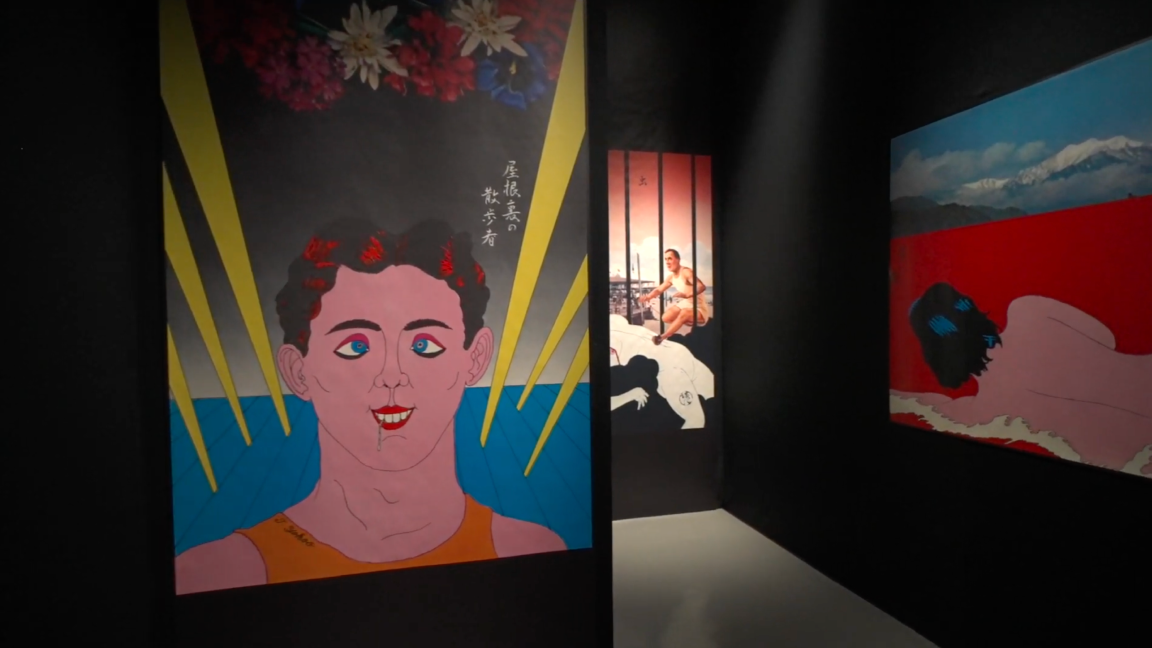
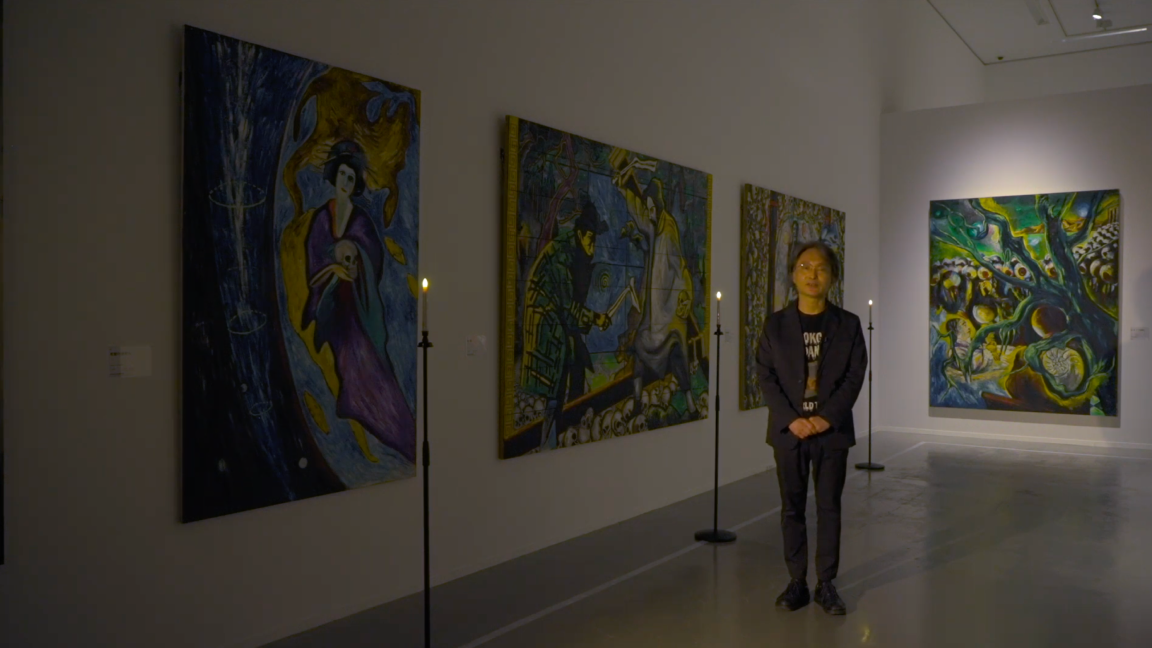
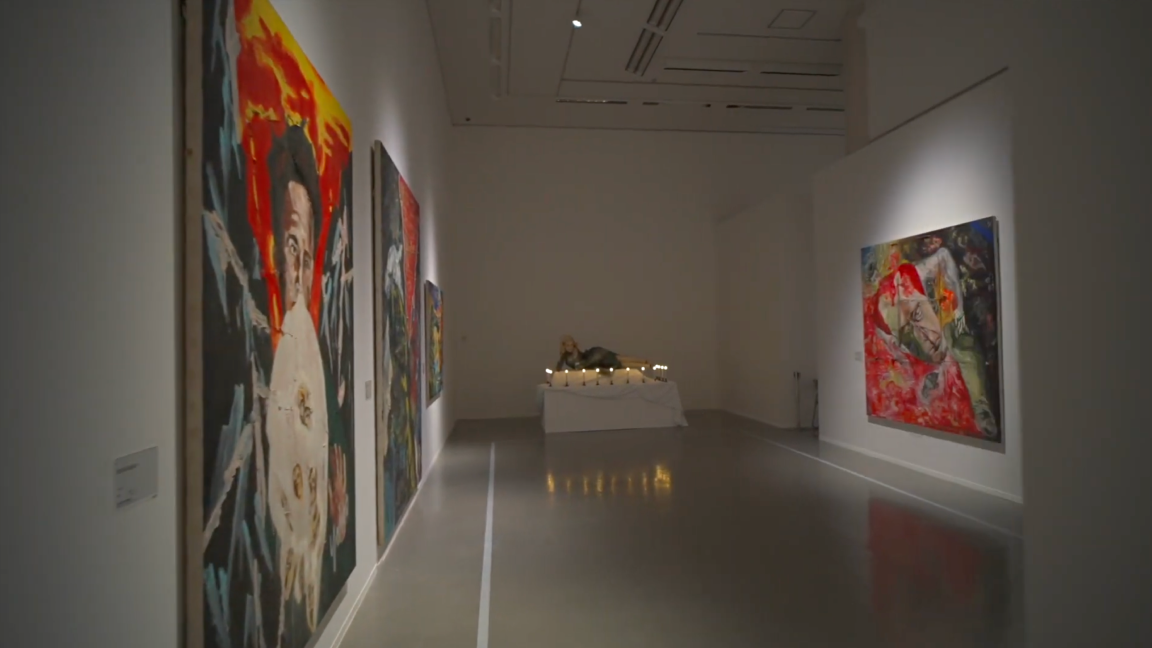
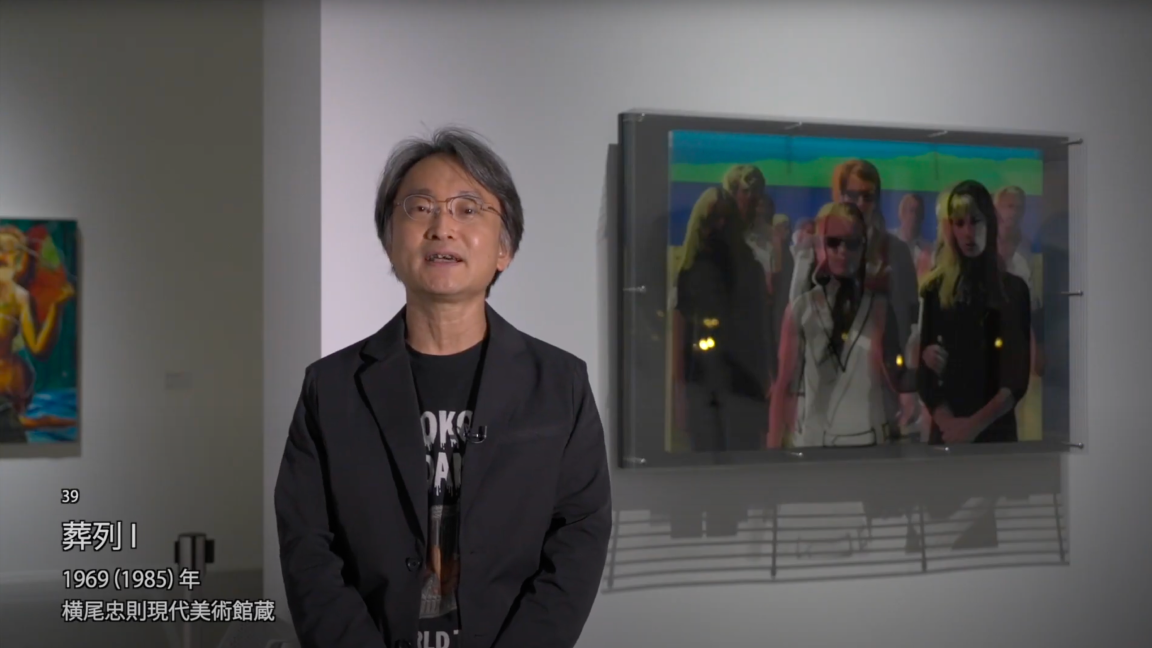
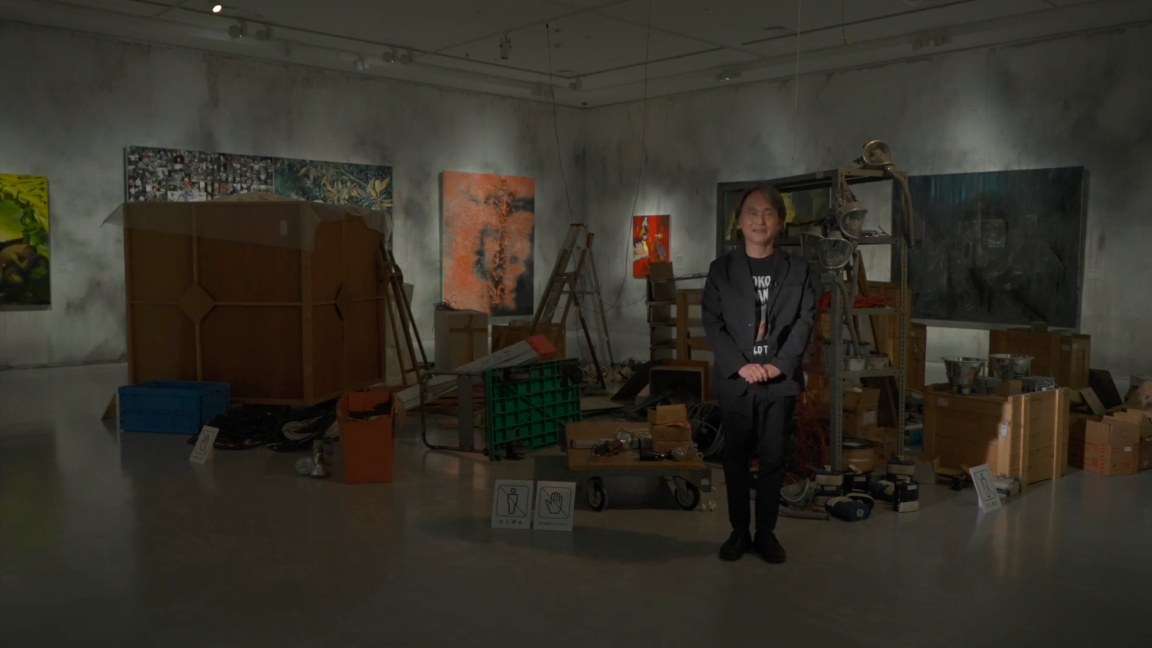
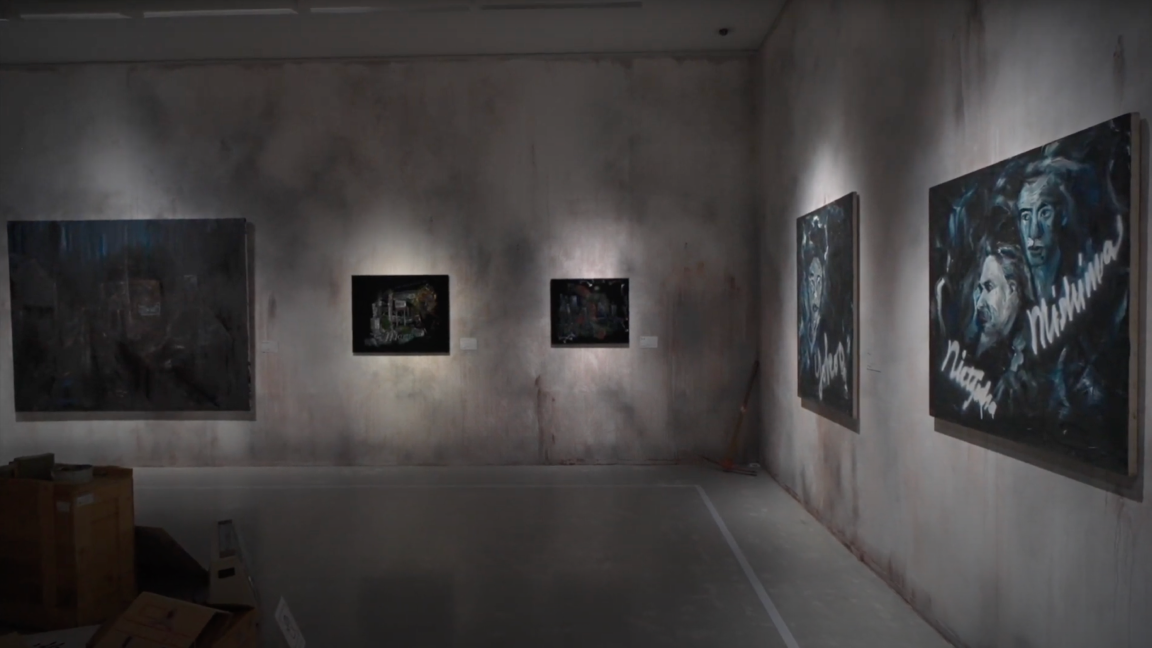
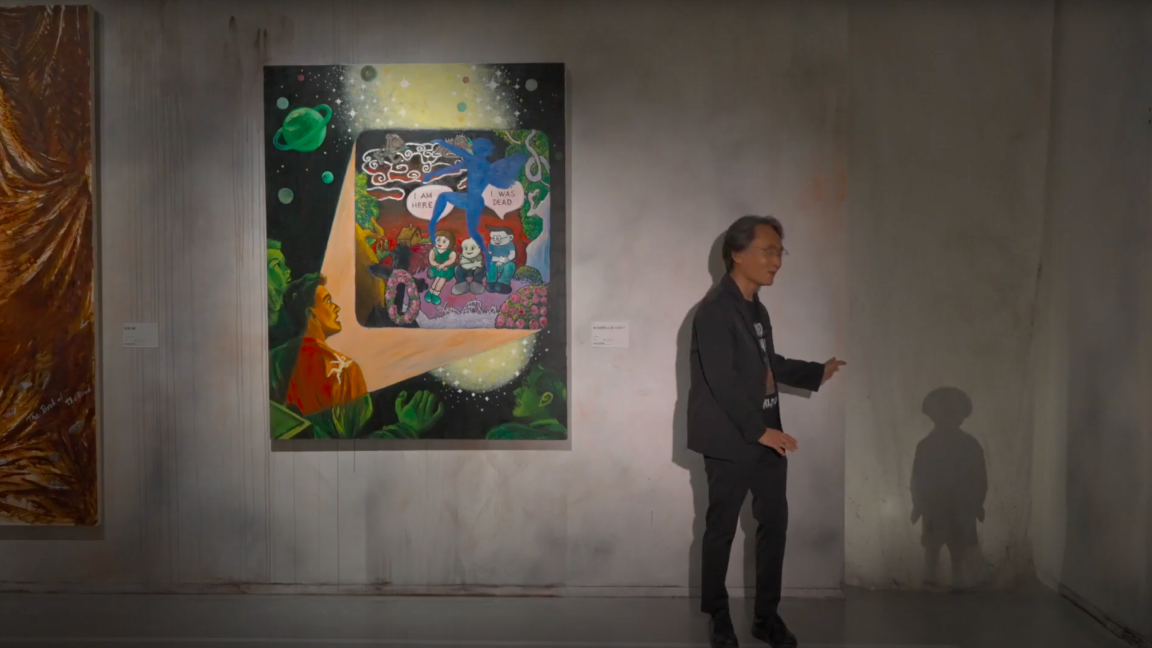
Yokoo Tadanori’s Haunted Museum presents a compelling exploration of the intrinsic connection between art and fear, featuring a diverse range of the artist’s works. Yokoo Tadanori has consistently pursued phenomena that remain invisible or unexplainable by science, a fascination rooted in his childhood experiences with profound darkness and mystical encounters in Nishiwaki. This deeply personal history informs much of his art, from his celebrated illustrations for the Complete Works of Edogawa Rampo to his paintings created since his “painter’s declaration.” The exhibition, designed with deliberately darkened spaces, encourages visitors to engage with their own ambivalent emotions of wanting to look yet fearing the unknown. It highlights art’s enduring capacity to interpret and express humanity’s primal responses to mystery and the unseen, fostering a reflection on these universal aspects of human existence.

Why should you watch this?

The film Yokoo Tadanori’s Haunted Museum asks what happens when fear and curiosity meet in the same moment. Drawing on childhood nights of complete darkness and on the unsettling imagery of his Edogawa Rampo illustrations, Yokoo turns the unseen into something you can almost touch. A face appearing out of shadow or a mouth repeated like a chant unsettles, yet also holds you in place. The experience lingers because it reminds us that fear is not only about danger but about discovery, and that learning to face it can change how we see the world.

Curator

Atsuo Yamamoto

Bio

Atsuo Yamamoto is a Japanese curator and Chief Curator at the Yokoo Tadanori Museum of Contemporary Art (Y+T MOCA), Kobe. He has held curator roles previously at the Ashiya City Museum of Art & History and the Museum of Modern Art, Shiga. Yamamoto has been closely involved with the establishment of Y+T MOCA since about 2011; the museum opened in November 2012 in a renovated wing of a building originally designed by architect Tōgō Murano. Under his direction, the museum’s holdings have grown to thousands of works and materials — including hundreds of paintings, prints, posters, drawings, photographs and archival boxes — and he oversees the archival, conservation, and exhibition programs. Yamamoto is also known for his interest in post-war Japanese modernism, including the Gutai art movement. He has curated exhibitions and contributed publications about Gutai members such as Saburo Murakami.

All films Last updated: 12/09/2025

Artist

Tadanori Yokoo

Bio

Tadanori Yokoo (born 1936 in Nishiwaki, Hyogo, Japan) is a celebrated Japanese graphic designer, illustrator, printmaker, and painter, widely recognized as one of Japan’s most influential contemporary artists. After a successful career in graphic design in the 1960s and 70s, where he gained international acclaim for his psychedelic, pop art-infused posters and album covers, he shifted his focus to painting in 1981. Yokoo’s work is characterized by its vibrant colors, intricate collages, and a unique blend of Japanese tradition with Western influences, often exploring themes of mysticism, the subconscious, and the human condition. His diverse career and unconventional approach have left an indelible mark on both Japanese and international art.

All films Last updated: 15/09/2025
Share Your Further Learning Recommendation
Follow us on social media
Logo
Share this film

The floor is yours

Explore

  • About
  • Contacts
  • FAQ
  • Collaborate
  • Any ideas?

Network

  • Institutions
  • Contributors
  • Partners
  • Support us

Transparency

  • Accessibility
  • Sustainability
  • #GoodForEducation
  • Usage Policy
  • Cookies

Latest guided tour films

loader

By subscribing, you acknowledge and agree that we will store, process, and manage your personal information in accordance with our Privacy Policy.

Stay tuned

  • instagram
  • facebook
  • linkedin
  • bluesky
  • mastodon
  • Imprint
  • Privacy Policy
  • Community Guidelines
  • Jobs

© 2026 excoursio e.V. (non-profit). All rights reserved.

We use cookies to ensure that we give you the best experience on our website. If you continue to use this site we will assume that you are happy with it.