
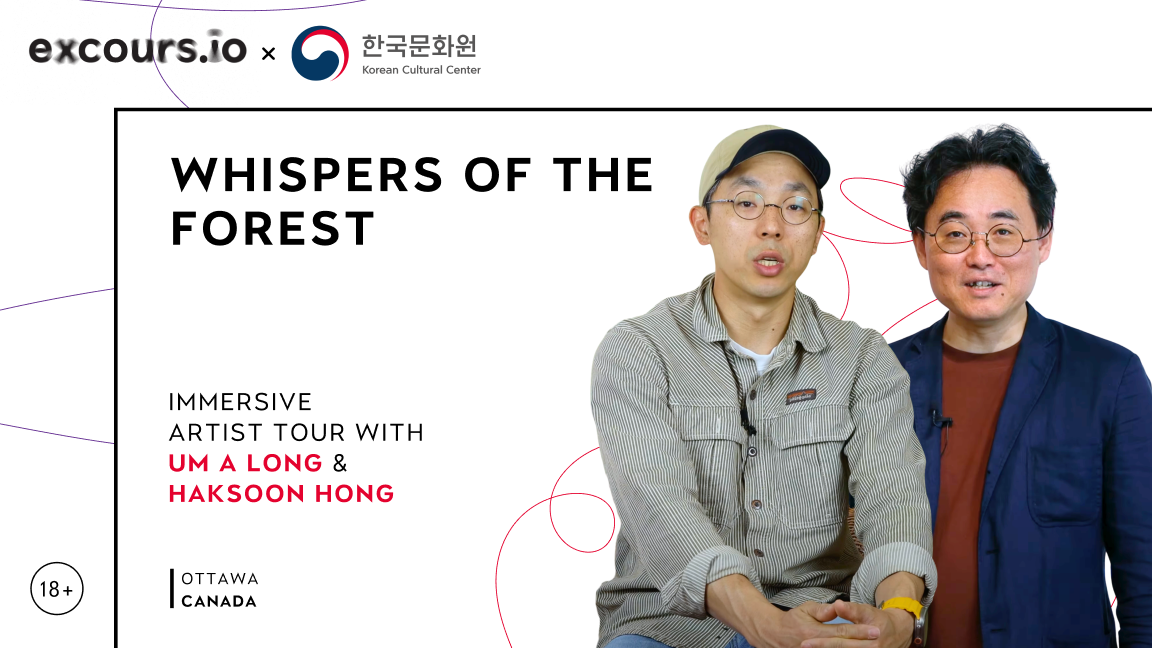
Whispers of the Forest
 Canada
 Ottawa
 2025
2025
 8
8
The exhibition Whispers of the Forest presents a playful, interactive world where contemporary Korean art explores themes of nature, community, and coexistence. This immersive installation, designed especially for children and families, addresses pressing modern issues like rapid urban development, environmental loss, and displacement. The gallery becomes a forest playground featuring works by artists Um A Long, who creates sculptures from discarded materials, and Haksoon Hong, who brings his vibrant Wink Tokki World to life through murals and animations. Visitors are encouraged to engage directly with the art, moving beyond passive viewing to reflect on sustainability and our relationships with others. The experience prompts us to imagine a future where all beings can live and grow together in harmony.
Why should you watch this?
The film Whispers of the Forest asks what it means to share a world at a moment when climate change and rapid urban growth unsettle familiar ways of living. Um A Long’s sculptures, shaped from discarded materials, echo the resilience of creatures adapting to damaged environments, while Haksoon Hong’s Wink Tokki characters invite us into a universe where play and friendship make coexistence possible. Together, these voices create a mood that shifts between unease and delight, reminding us that survival and joy are intertwined. The film ultimately leaves viewers with a simple yet urgent question: how do we choose to live together?
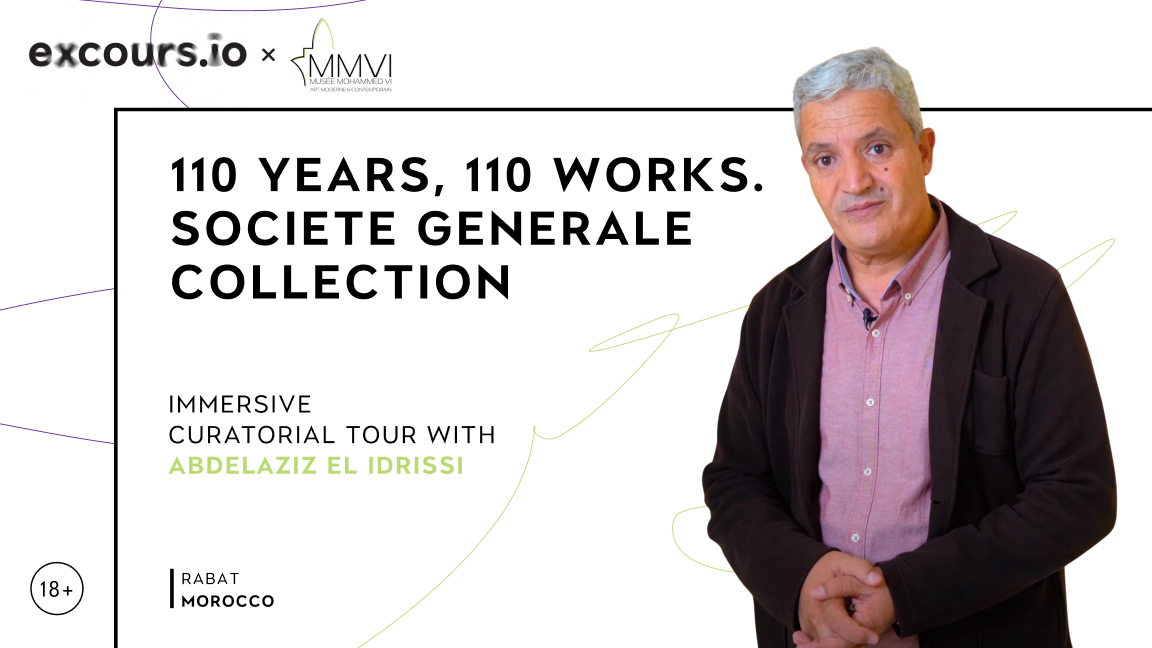
110 Years, 110 Works. Société Générale Collection
Morocco
Rabat
2024
8
110 ans, 110 œuvres, at the Mohammed VI Museum of Modern and Contemporary Art in Rabat, commemorates Société Générale Maroc’s 110th anniversary and its long-standing commitment to art and Moroccan culture. This exceptional exhibition, a collaboration with the National Museum Foundation, features a precious part of the bank’s collection, including previously unseen works. It takes visitors on a timeless journey, tracing Moroccan art’s evolution from the early 20th century, starting with pioneers like Ben Ali R’bati, across four distinct periods to the present day. The exhibition highlights Moroccan artists’ contribution to national identity. It celebrates a rich artistic heritage and Société Générale Maroc’s enduring role in art’s promotion, anticipating the opening of its own museum in 2024. Visitors gain insight into Morocco’s artistic dynamism and the intricate relationship between banking and cultural patronage over more than a century.
Why should you watch this?
The exhibition 110 ans, 110 œuvres matters today because it shows how art can carry a nation’s memory while speaking to its future. Moving between the early brushstrokes of Ben Ali R’bati and the global perspectives of contemporary Moroccan artists, it evokes both pride and questioning: how does creativity define who we are in a world of constant change? Visitors may feel inspired by the intimate voices of the 1980s generation, who turned personal experience into universal expression, or by today’s works shaped through worldwide dialogue. Ultimately, the exhibition reminds us that art’s power to connect time, place, and people remains urgently relevant.
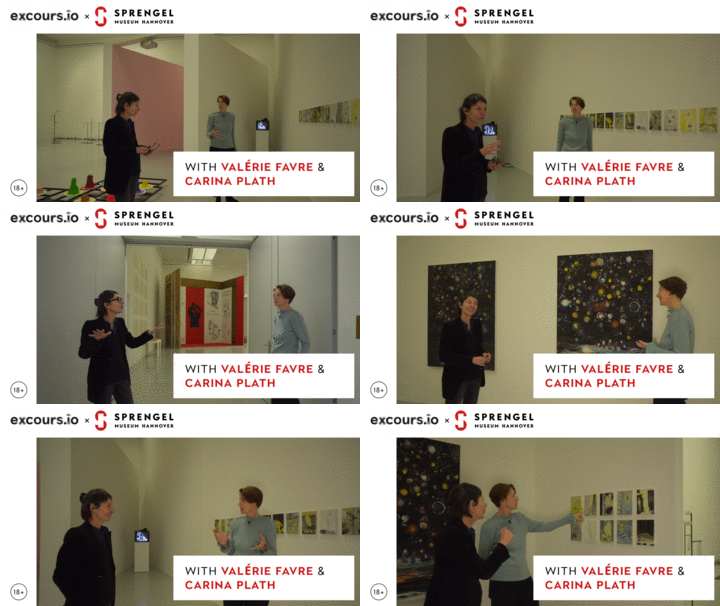
HOW TO SURVIVE ― Art as Survival Strategy | with Valérie Favre & Carina Plath
Germany
Hanover
2020
34
The group exhibition presents a compelling exploration of how art provides resilience in times of personal and societal crisis. The exhibition features works by renowned artists like Gustav Metzger, Shusaku Arakawa, and Alina Szapocznikow, each of whom faced extreme adversity and transformed their experiences into profound artistic statements. Whether addressing environmental destruction, illness, or existential threats, these artists used creativity as a means to survive and challenge the limits of human endurance. The exhibition emphasizes the power of art to propose alternative perspectives when the world seems trapped in binary thinking. By engaging with radical artistic responses to crisis, visitors are invited to reflect on how creativity can offer strength, hope, and new possibilities for navigating the uncertainties of modern life. Art, in this context, becomes more than expression — it becomes a strategy for survival and transformation.
Why should you watch this?
The exhibition tackles pressing issues like climate change, personal trauma, and social upheaval, and having a knowledgeable guide helps to bring those themes to life. It’s not just about admiring the art; it’s about understanding the stories and survival strategies that inspired each piece. This context makes the art resonate even more, helping you connect with the messages in a meaningful way. In a time when we’re all looking for ways to navigate challenges, a guided tour offers fresh insights that can spark reflection and inspire hope.
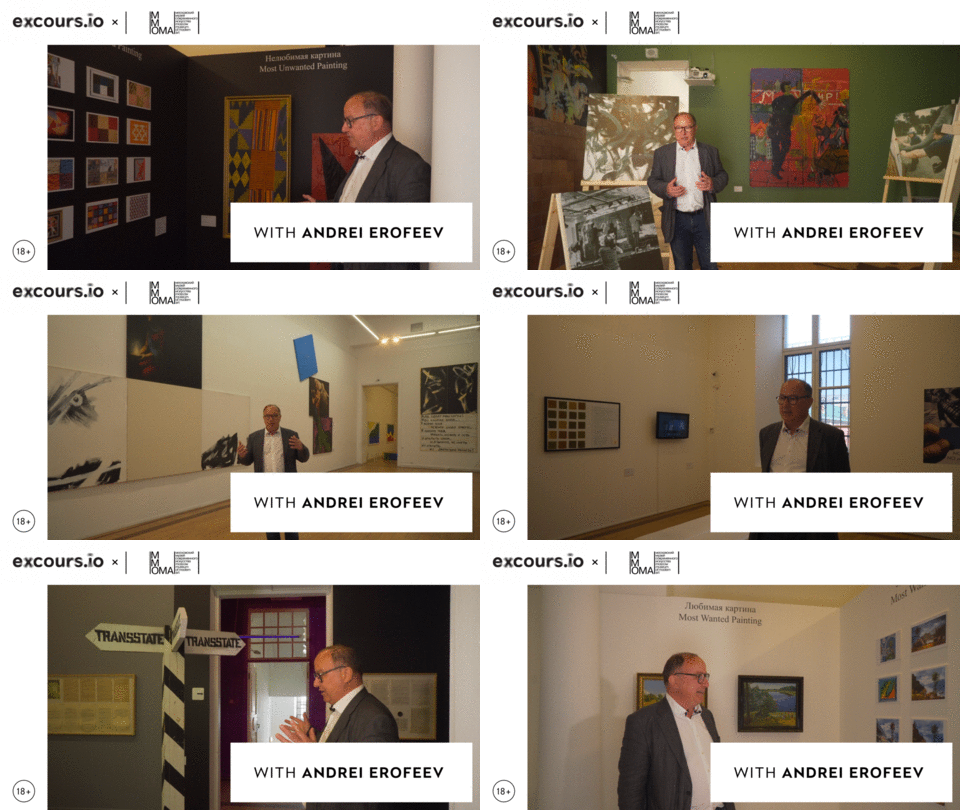
KOMAR & MELAMID
Russia
Moscow
2019
135
KOMAR & MELAMID delves into the fusion of art and ideology, spotlighting the pioneering duo known for their satirical takes on Soviet culture. This exhibition showcases their innovative approach to ‘Sots Art,’ a movement that critiques the socialist aesthetic while playfully engaging with the political and commercial landscapes of the 20th century. Through a diverse array of works, including paintings, installations, and conceptual pieces, Komar and Melamid invite viewers to reconsider the purpose and function of art in society. Their collaboration challenges traditional boundaries, marrying humor with profound sociopolitical commentary—a must-see for anyone interested in contemporary art’s dialogue with history and culture.
Why should you watch this?
This exhibition represents the place where art meets incisive commentary on society and culture. This dynamic duo takes you on a journey through the playful yet poignant realm of Sots Art, characterized by a mix of humor and critique. Their works challenges normative ideals and question the role of art under Soviet influence, making it both a historical exploration and a contemporary dialogue. By engaging with their art, you’ll uncover layers of meaning about ideological constructs, consumerism, and identity. It’s a unique opportunity to reflect on how these themes continue to resonate today. Experience firsthand how Komar and Melamid’s innovative spirit invites a critical look at the world around us — ensuring you walk away with new insights and a deeper appreciation for the complexities of art.
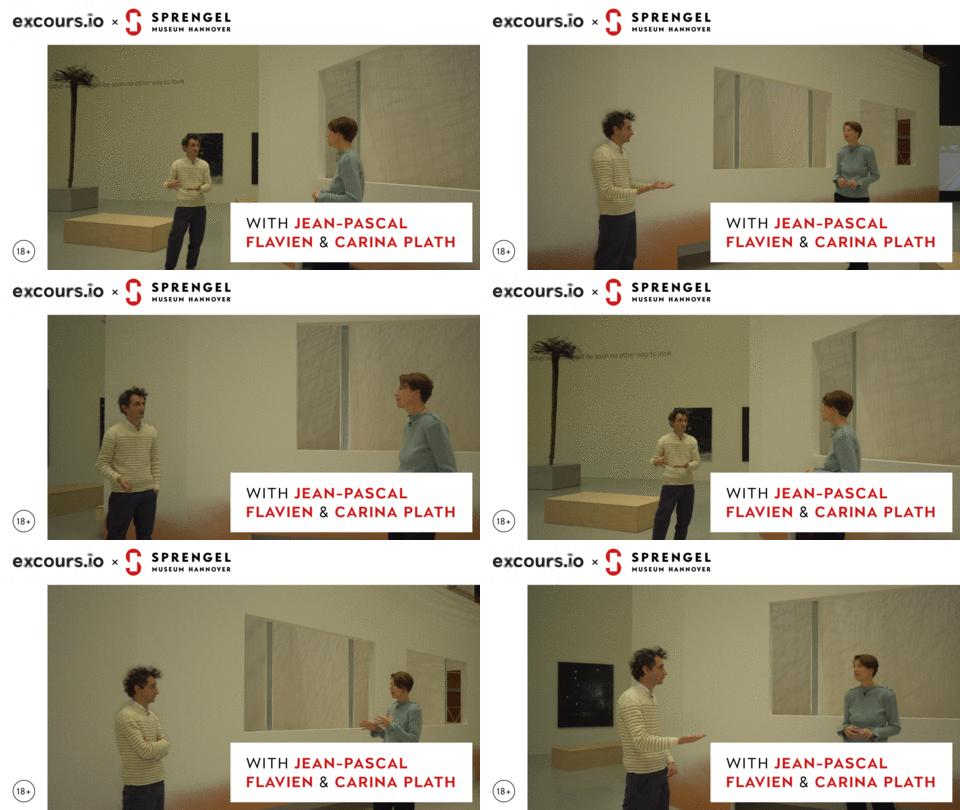
HOW TO SURVIVE ― Art as Survival Strategy | with Jean-Pascal Flavien & Carina Plath
Germany
Hanover
2020
31
The group exhibition presents a compelling exploration of how art provides resilience in times of personal and societal crisis. The exhibition features works by renowned artists like Gustav Metzger, Shusaku Arakawa, and Alina Szapocznikow, each of whom faced extreme adversity and transformed their experiences into profound artistic statements. Whether addressing environmental destruction, illness, or existential threats, these artists used creativity as a means to survive and challenge the limits of human endurance. The exhibition emphasizes the power of art to propose alternative perspectives when the world seems trapped in binary thinking. By engaging with radical artistic responses to crisis, visitors are invited to reflect on how creativity can offer strength, hope, and new possibilities for navigating the uncertainties of modern life. Art, in this context, becomes more than expression — it becomes a strategy for survival and transformation.
Why should you watch this?
The exhibition tackles pressing issues like climate change, personal trauma, and social upheaval, and having a knowledgeable guide helps to bring those themes to life. It’s not just about admiring the art; it’s about understanding the stories and survival strategies that inspired each piece. This context makes the art resonate even more, helping you connect with the messages in a meaningful way. In a time when we’re all looking for ways to navigate challenges, a guided tour offers fresh insights that can spark reflection and inspire hope.
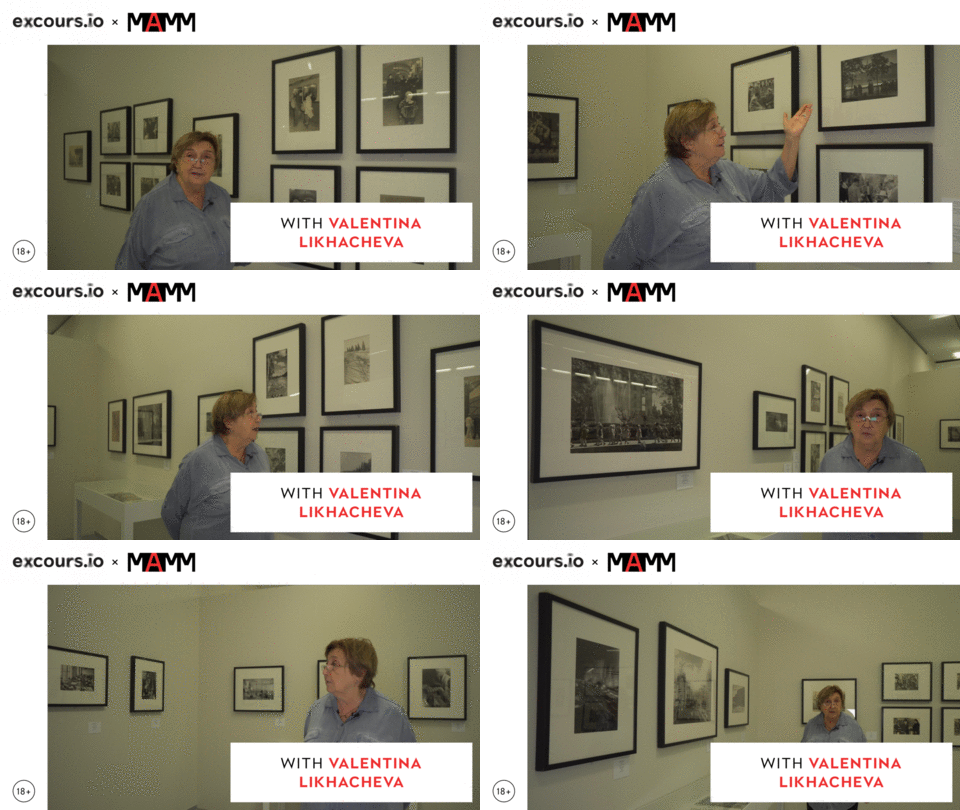
Mikhail Grachev. Soviet Daily Life. 1930s—1960s
Russia
Moscow
2019
62
In Mikhail Grachev. Soviet Daily Life. 1930s—1960s through an array of photographs, artifacts, and multimedia installations, attendees are invited to experience the complexities of everyday existence during a transformative era in Russian history. The exhibition captures the interplay of culture, politics, and personal narratives, reflecting how art and design were interwoven into the fabric of daily routines — from the bustling streets to communal celebrations. By showcasing both the mundane and the extraordinary, the exhibition offers a unique lens on how people lived, worked, and dreamt in a time of significant socio-political change, encouraging visitors to ponder the lasting impact of this period on contemporary society and culture.
Why should you watch this?
Within this exhibition you can immerse yourself in a pivotal chapter of history at this thought-provoking exhibition that brings to life Soviet daily life from the 1930s to the 1960s. Explore a rich collection that reveals the nuances of everyday existence during an era marked by both creative expression and political upheaval. From candid photographs to everyday objects, the showcase highlights the resilience and spirit of individuals navigating a complex social landscape. Beyond mere nostalgia, this exhibition invites you to reflect on how art shaped identity and community, providing timeless lessons on the interplay between personal life and broader societal movements.
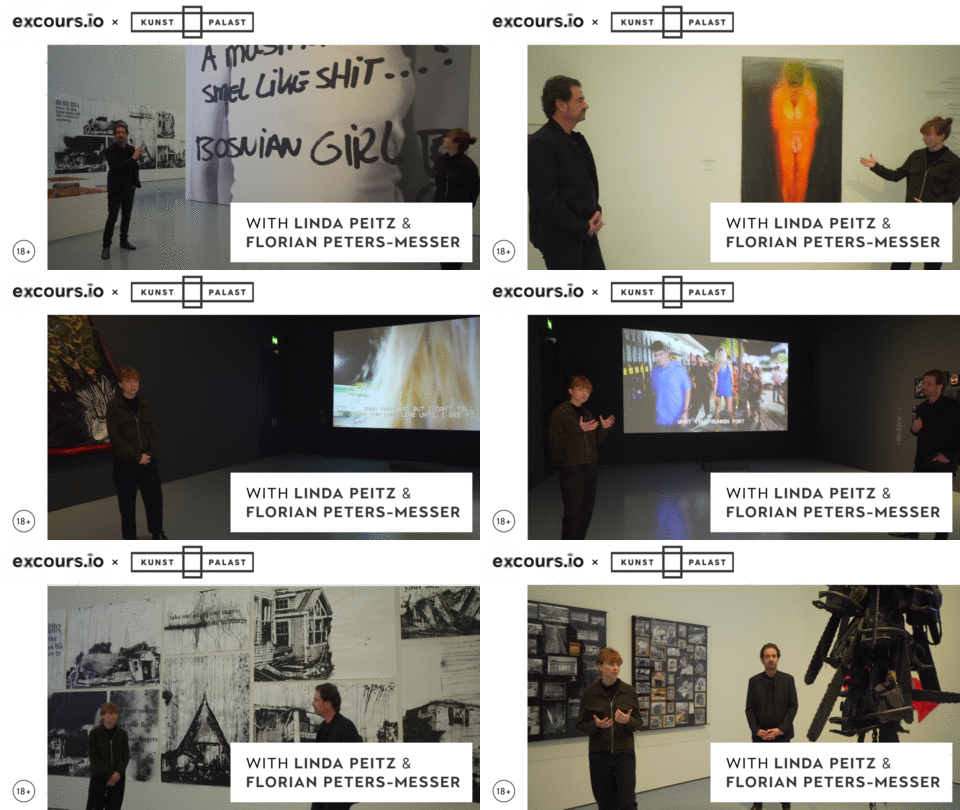
TIME FOR OUTRAGE! Art in Times of Social Anger | Feminism
Germany
Dusseldorf
2020
23
Can anger and rage be justified in a world riddled with oppression and inequality? Are these emotions destructive forces or vital catalysts for social change? As democracy faces crises and populism gains ground globally, these questions have sparked renewed debate. Contemporary artists have responded, using their work to navigate and challenge the pressing issues of our time.
The exhibition ‘Time for Outrage!’ in Düsseldorf explores these questions through six thematic blocks: Right-wing Shift, Trumpism, Protest, Postcolonialism, Feminism, and Discrimination. Across a diverse range of mediums — including installations, drawings, paintings, sculptures, photography, and video art — 40 international artists immerse viewers in the visceral realms of protest, social dissent, and public anger. The exhibition doesn’t just present anger as a raw emotion; it portrays it as a vehicle for dialogue, resistance, and empowerment in the face of systemic injustice.
A substantial portion of the works on display come from the collection of entrepreneur and collector Florian Peters-Messer, whose commitment to socially engaged art amplifies the urgent messages these pieces convey.
Why should you watch this?
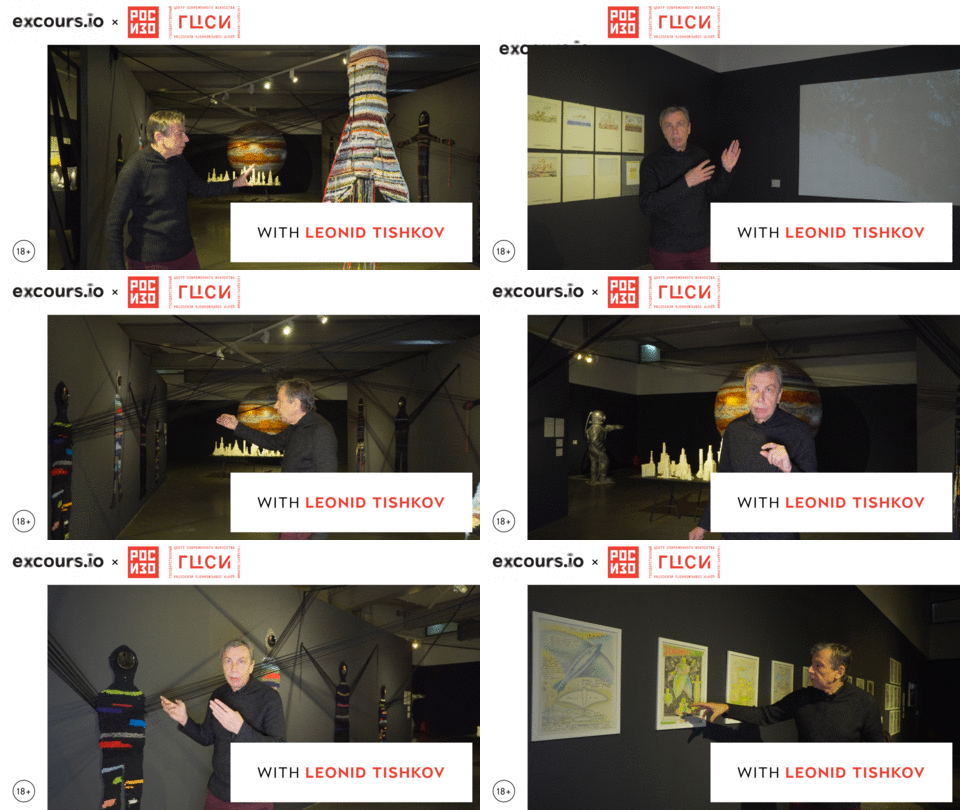
Augury of Cosmos
Russia
Moscow
2018
78
The exhibition Augury of Cosmos showcases the innovative works of contemporary artists, who masterfully blend traditional techniques with modern themes to explore the complexities of human experience. Through a diverse array of mediums, including painting and installation, viewers engage with the interplay of memory, identity, and the passage of time. Thought-provoking pieces challenge conventional narratives, encouraging a dialogue between the past and present. This exhibition not only highlights unique artistic vision but also serves as a reflection on the broader cultural landscape, making it a must-see for anyone interested in the evolution of contemporary art.
Why should you watch this?
Step into the transformative world of contemporary art at the exhibition Augury of Cosmos, showcasing the extraordinary work of artist Mikhail Slogunov. This immersive event delves into the intricate relationship between identity, memory, and the myriad forces that shape our perceptions of self and otherness. Slogunov’s evocative pieces challenge viewers to confront societal norms and personal biases, making it not just an exhibition, but a profound exploration of the human experience. With a diverse array of multimedia installations, the show encourages dialogue and introspection, inviting you to engage deeply with art that resonates on both emotional and intellectual levels.
TIME FOR OUTRAGE! Art in Times of Social Anger | Postcolonialism
Germany
Dusseldorf
2020
36
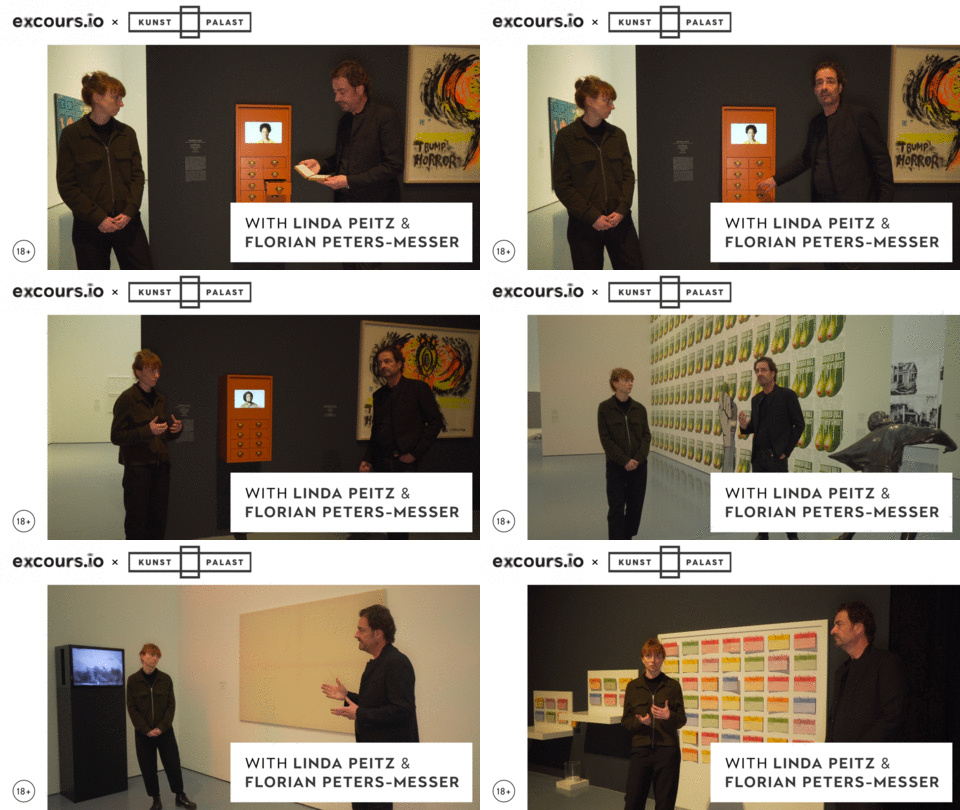
Can anger and rage be justified in a world riddled with oppression and inequality? Are these emotions destructive forces or vital catalysts for social change? As democracy faces crises and populism gains ground globally, these questions have sparked renewed debate. Contemporary artists have responded, using their work to navigate and challenge the pressing issues of our time.
The exhibition ‘Time for Outrage!’ in Düsseldorf explores these questions through six thematic blocks: Right-wing Shift, Trumpism, Protest, Postcolonialism, Feminism, and Discrimination. Across a diverse range of mediums — including installations, drawings, paintings, sculptures, photography, and video art — 40 international artists immerse viewers in the visceral realms of protest, social dissent, and public anger. The exhibition doesn’t just present anger as a raw emotion; it portrays it as a vehicle for dialogue, resistance, and empowerment in the face of systemic injustice.
A substantial portion of the works on display come from the collection of entrepreneur and collector Florian Peters-Messer, whose commitment to socially engaged art amplifies the urgent messages these pieces convey.