
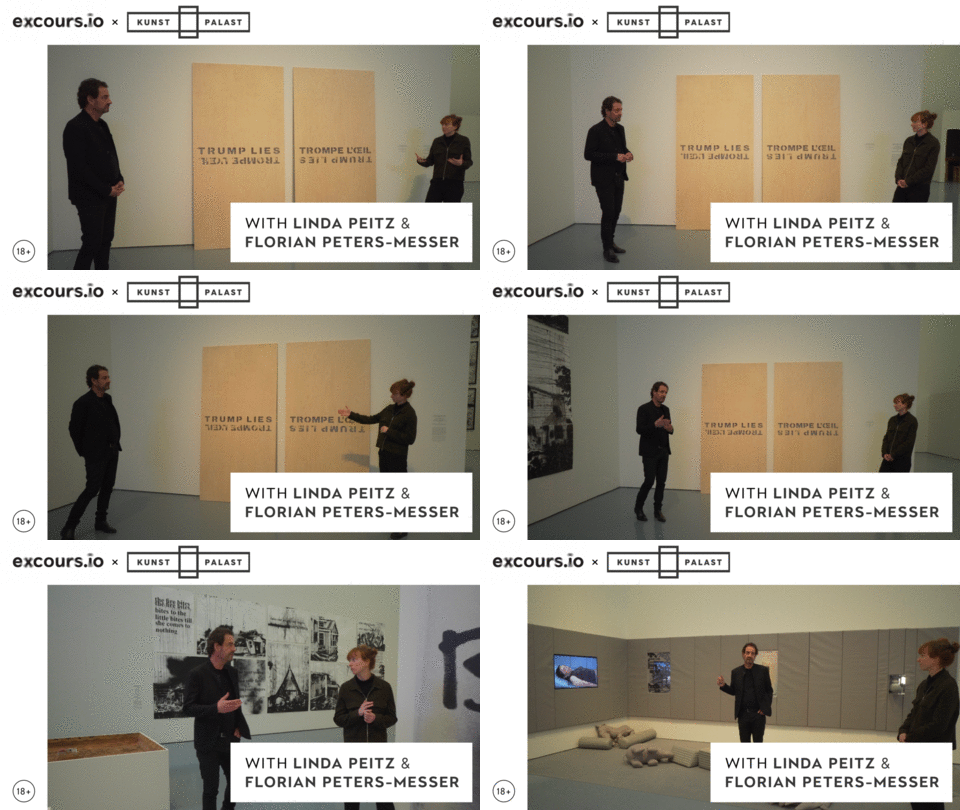
TIME FOR OUTRAGE! Art in Times of Social Anger | Trumpism
 Germany
 Dusseldorf
 2020
2020
 33
33
Can anger and rage be justified in a world riddled with oppression and inequality? Are these emotions destructive forces or vital catalysts for social change? As democracy faces crises and populism gains ground globally, these questions have sparked renewed debate. Contemporary artists have responded, using their work to navigate and challenge the pressing issues of our time.
The exhibition ‘Time for Outrage!’ in Düsseldorf explores these questions through six thematic blocks: Right-wing Shift, Trumpism, Protest, Postcolonialism, Feminism, and Discrimination. Across a diverse range of mediums — including installations, drawings, paintings, sculptures, photography, and video art — 40 international artists immerse viewers in the visceral realms of protest, social dissent, and public anger. The exhibition doesn’t just present anger as a raw emotion; it portrays it as a vehicle for dialogue, resistance, and empowerment in the face of systemic injustice.
A substantial portion of the works on display come from the collection of entrepreneur and collector Florian Peters-Messer, whose commitment to socially engaged art amplifies the urgent messages these pieces convey.
Why should you watch this?
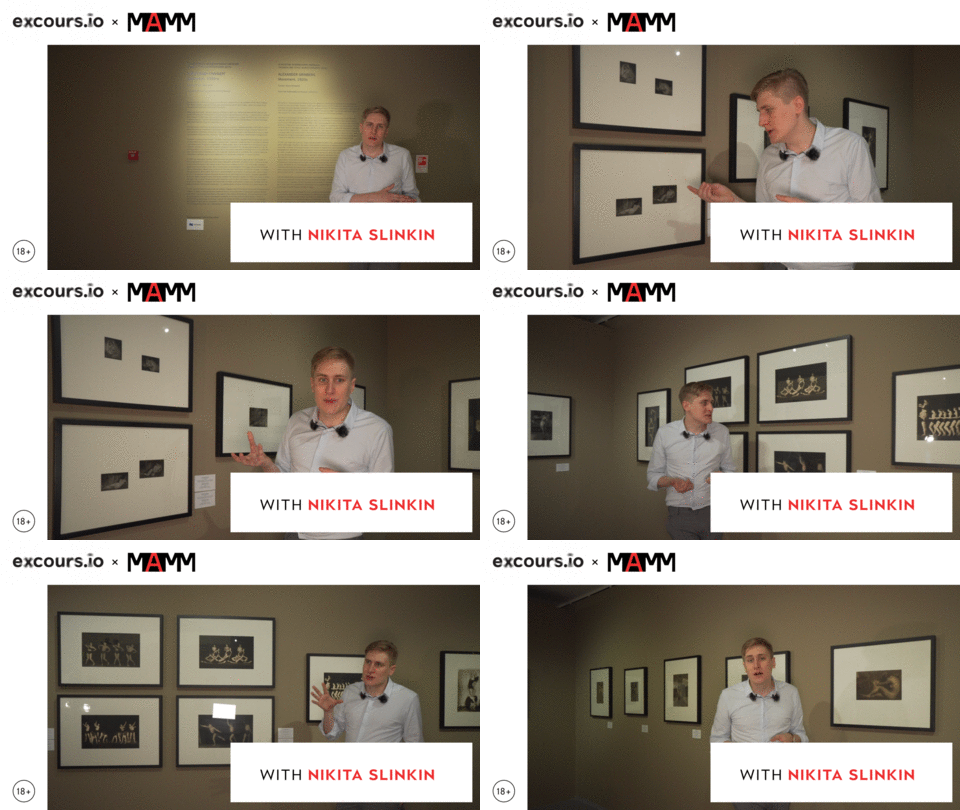
Alexander Grinberg. Movement. 1920s
Russia
Moscow
2019
53
Step back into the vibrant world of the 1920s with the Movement. 1920s exhibition, which captures the revolutionary spirit and artistic innovation of this transformative decade. Celebrating a surge of creativity across visual arts, architecture, and design, the exhibit showcases how artists challenged traditional norms and embraced new mediums and themes. Through a carefully curated selection of works and engaging installations, visitors can explore the interplay between art, politics, and society during a time marked by upheaval and change. From the bold geometries of constructivism to the experimental forms of avant-garde movements, Movement. 1920s invites audiences to witness how the decade laid the groundwork for contemporary art, illuminating the ongoing dialogue between past and present in the ever-evolving landscape of visual culture.
Why should you watch this?
This exhibition features a diverse array of works that reflect the pulse of a society in transformation — bold colors, experimental forms, and a celebration of motion that captures the zeitgeist of post-war optimism. Each piece invites the viewer to engage with the revolutionary ideas that shaped modern art, making it a must-see for anyone interested in the interplay between culture and creativity. It demonstrates how artists of the 1920s broke boundaries and redefined artistic expression, leaving an indelible mark on the contemporary landscape.

When I see the future, I close my eyes: Chapter II
Germany
Berlin
2023
45
Why should you watch this?
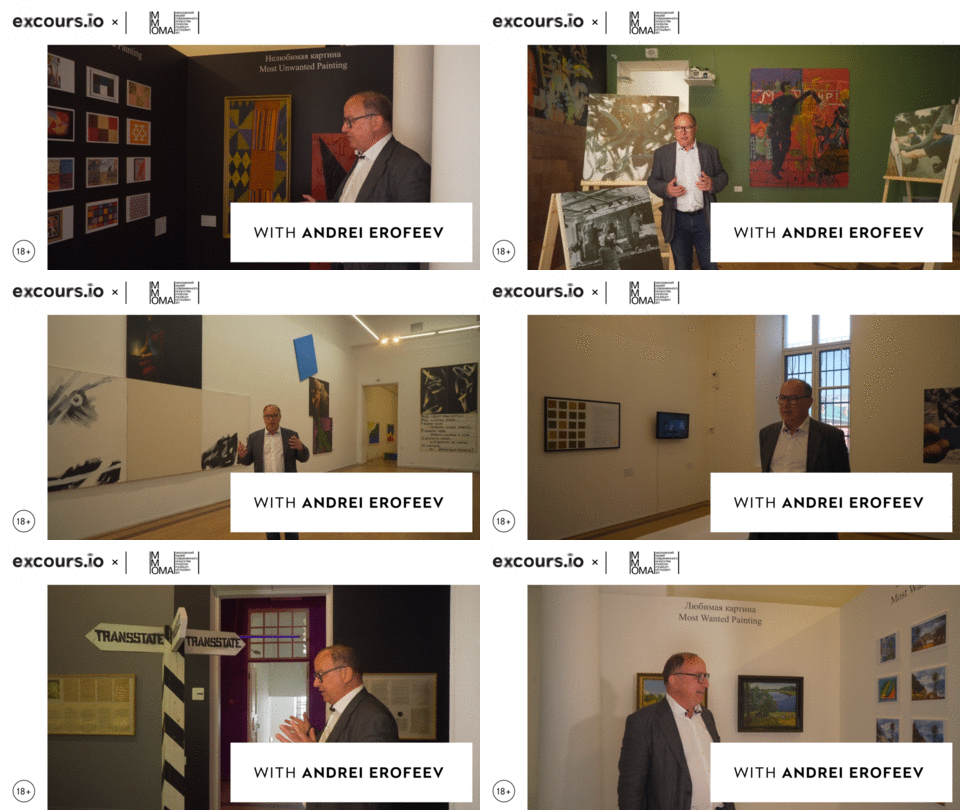
KOMAR & MELAMID
Russia
Moscow
2019
135
KOMAR & MELAMID delves into the fusion of art and ideology, spotlighting the pioneering duo known for their satirical takes on Soviet culture. This exhibition showcases their innovative approach to ‘Sots Art,’ a movement that critiques the socialist aesthetic while playfully engaging with the political and commercial landscapes of the 20th century. Through a diverse array of works, including paintings, installations, and conceptual pieces, Komar and Melamid invite viewers to reconsider the purpose and function of art in society. Their collaboration challenges traditional boundaries, marrying humor with profound sociopolitical commentary—a must-see for anyone interested in contemporary art’s dialogue with history and culture.
Why should you watch this?
This exhibition represents the place where art meets incisive commentary on society and culture. This dynamic duo takes you on a journey through the playful yet poignant realm of Sots Art, characterized by a mix of humor and critique. Their works challenges normative ideals and question the role of art under Soviet influence, making it both a historical exploration and a contemporary dialogue. By engaging with their art, you’ll uncover layers of meaning about ideological constructs, consumerism, and identity. It’s a unique opportunity to reflect on how these themes continue to resonate today. Experience firsthand how Komar and Melamid’s innovative spirit invites a critical look at the world around us — ensuring you walk away with new insights and a deeper appreciation for the complexities of art.
HOW TO SURVIVE ― Art as Survival Strategy | with Paula Schwerdtfeger
Germany
Hanover
2020
34
The group exhibition presents a compelling exploration of how art provides resilience in times of personal and societal crisis. The exhibition features works by renowned artists like Gustav Metzger, Shusaku Arakawa, and Alina Szapocznikow, each of whom faced extreme adversity and transformed their experiences into profound artistic statements. Whether addressing environmental destruction, illness, or existential threats, these artists used creativity as a means to survive and challenge the limits of human endurance. The exhibition emphasizes the power of art to propose alternative perspectives when the world seems trapped in binary thinking. By engaging with radical artistic responses to crisis, visitors are invited to reflect on how creativity can offer strength, hope, and new possibilities for navigating the uncertainties of modern life. Art, in this context, becomes more than expression — it becomes a strategy for survival and transformation.
Why should you watch this?
The exhibition tackles pressing issues like climate change, personal trauma, and social upheaval, and having a knowledgeable guide helps to bring those themes to life. It’s not just about admiring the art; it’s about understanding the stories and survival strategies that inspired each piece. This context makes the art resonate even more, helping you connect with the messages in a meaningful way. In a time when we’re all looking for ways to navigate challenges, a guided tour offers fresh insights that can spark reflection and inspire hope.
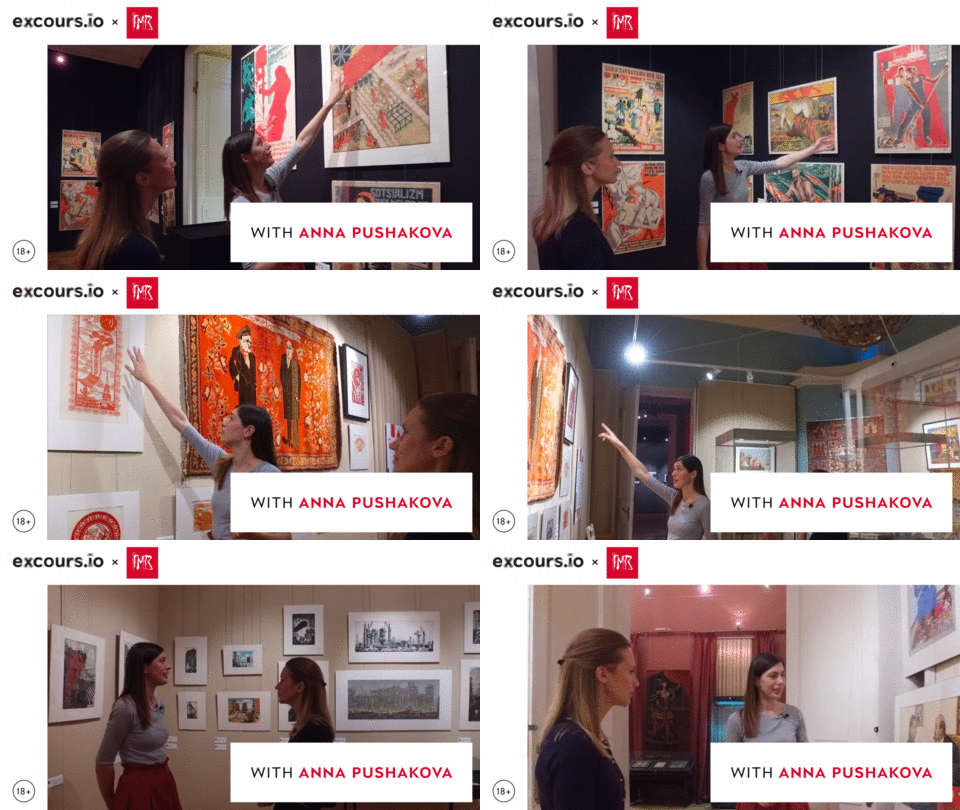
Revolved Revolutions. On the Occasion of Centenary of the Great October Socialist Revolution
Russia
Moscow
2017
47
Why should you watch this?
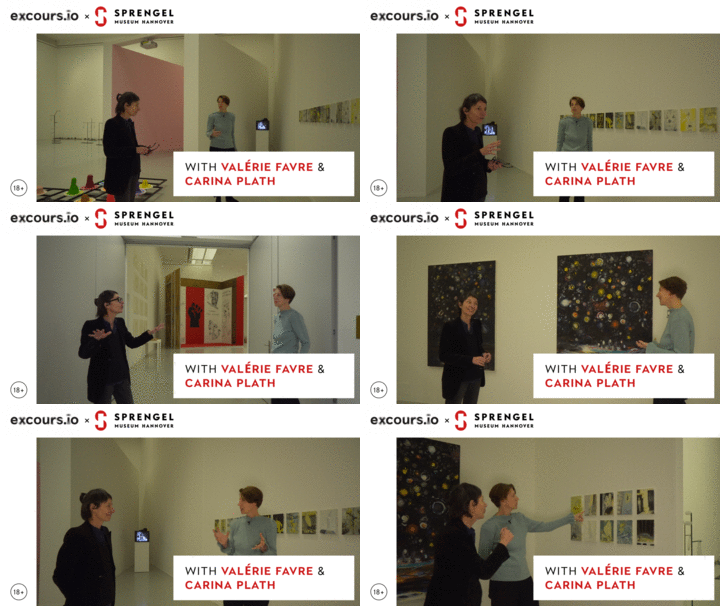
HOW TO SURVIVE ― Art as Survival Strategy | with Valérie Favre & Carina Plath
Germany
Hanover
2020
34
The group exhibition presents a compelling exploration of how art provides resilience in times of personal and societal crisis. The exhibition features works by renowned artists like Gustav Metzger, Shusaku Arakawa, and Alina Szapocznikow, each of whom faced extreme adversity and transformed their experiences into profound artistic statements. Whether addressing environmental destruction, illness, or existential threats, these artists used creativity as a means to survive and challenge the limits of human endurance. The exhibition emphasizes the power of art to propose alternative perspectives when the world seems trapped in binary thinking. By engaging with radical artistic responses to crisis, visitors are invited to reflect on how creativity can offer strength, hope, and new possibilities for navigating the uncertainties of modern life. Art, in this context, becomes more than expression — it becomes a strategy for survival and transformation.
Why should you watch this?
The exhibition tackles pressing issues like climate change, personal trauma, and social upheaval, and having a knowledgeable guide helps to bring those themes to life. It’s not just about admiring the art; it’s about understanding the stories and survival strategies that inspired each piece. This context makes the art resonate even more, helping you connect with the messages in a meaningful way. In a time when we’re all looking for ways to navigate challenges, a guided tour offers fresh insights that can spark reflection and inspire hope.
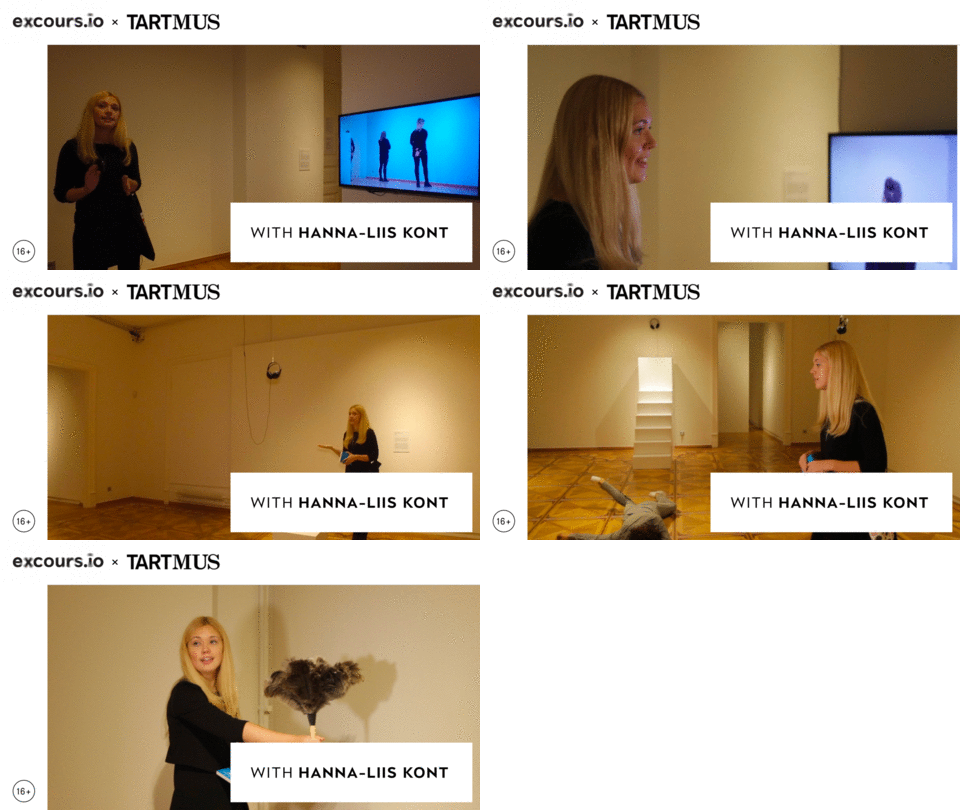
Museum Choreography
Estonia
Tartu
2018
53
This innovative exhibition reimagines the traditional museum experience through the lens of dance and choreography, inviting audiences to become active participants in the artistic dialogue. It foregrounds the unpredictable interplay between viewer movement and static artworks, showcasing how personal histories, cultural contexts, and physical presence transform the museum into a living, dynamic space. By exploring the nuances of how we look at and engage with art, the exhibition challenges visitors to reflect on their own movement and interactions within the gallery. This exhibition is a thought-provoking exploration of the embodied experience of art, making the viewer an integral part of the creative narrative.
Why should you watch this?
In today’s rapidly evolving cultural landscape, this exhibition stands out by positioning dance and choreography as vital means of understanding and engaging with art in the museum context. By centering the audience’s experience, it reflects our collective need for connection and interaction in spaces that often feel static and distant. In an era where individual perspectives and cultural backgrounds shape our understanding of art, this exhibition invites viewers to reclaim their role, reminding us that museums are not just repositories of art but vibrant environments shaped by human presence and movement. As the act of looking becomes more layered and complex in our digital world, this exhibition challenges us to reconsider our relationship with art, encouraging a deeper engagement that resonates well beyond the gallery walls.
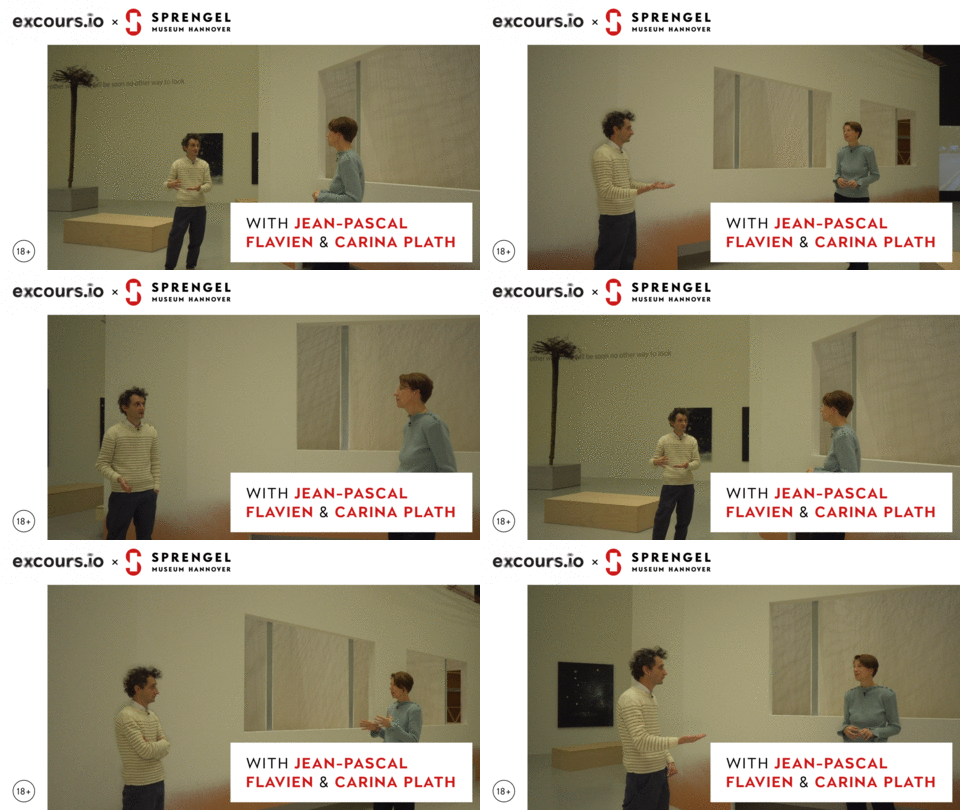
HOW TO SURVIVE ― Art as Survival Strategy | with Jean-Pascal Flavien & Carina Plath
Germany
Hanover
2020
31
The group exhibition presents a compelling exploration of how art provides resilience in times of personal and societal crisis. The exhibition features works by renowned artists like Gustav Metzger, Shusaku Arakawa, and Alina Szapocznikow, each of whom faced extreme adversity and transformed their experiences into profound artistic statements. Whether addressing environmental destruction, illness, or existential threats, these artists used creativity as a means to survive and challenge the limits of human endurance. The exhibition emphasizes the power of art to propose alternative perspectives when the world seems trapped in binary thinking. By engaging with radical artistic responses to crisis, visitors are invited to reflect on how creativity can offer strength, hope, and new possibilities for navigating the uncertainties of modern life. Art, in this context, becomes more than expression — it becomes a strategy for survival and transformation.
Why should you watch this?
The exhibition tackles pressing issues like climate change, personal trauma, and social upheaval, and having a knowledgeable guide helps to bring those themes to life. It’s not just about admiring the art; it’s about understanding the stories and survival strategies that inspired each piece. This context makes the art resonate even more, helping you connect with the messages in a meaningful way. In a time when we’re all looking for ways to navigate challenges, a guided tour offers fresh insights that can spark reflection and inspire hope.