
Menu

  • Categories
    • Arts
    • Culture
    • History
    • Music
    • Philosophy
    • Society & Politics
    • Technology & Science
  • Collections
  • Tags
  • Institutions
  • Contributors
  • All Films
  • Random Film

About

excoursio is a free platform for immersive guided tours, turning one-time walkthroughs into lasting learning experiences. excours.io means culture for everyone, everywhere.

Stay tuned

  • instagram
  • facebook
  • linkedin
  • bluesky
  • mastodon
Richard Paulick’s career was a mosaic of contradictions — modernist Bauhaus ideals alongside socialist industrialism, avant-garde innovation woven into national architectural traditions. His life was marked by war, shifting ideologies, and forced relocations, yet his dedication to architecture never wavered. Paulick emerged as one of the most influential architects of the German Democratic Republic, breathing new life into war-torn cities like Dresden and Berlin, while also shaping the industrial landscapes of smaller East German towns. Remarkably, his work extended far beyond Europe’s borders, leaving a legacy in pre-communist Shanghai as well. The exhibition at the Bauhaus Dessau Foundation, a beacon of German avant-garde architecture, vividly captures Paulick’s lifelong quest for self-realization in the face of the political and social currents of the 20th century. Through his work, the complexities of personal and ideological resilience unfold, offering viewers a window into both the man and the turbulent world he helped to shape.The Yokoo Tadanori Collection Gallery presents a comprehensive view of the artistic world and deep influences shaping the practice of Japanese artist Yokoo Tadanori. This permanent space, established in 2021 within the Yokoo Tadanori Museum of Contemporary Art in Hyogo Prefecture, Japan, displays his original drawings, color proofs, and project designs. The collection offers insight into the cultural and historical contexts that fed Yokoo’s aesthetic, illuminating the wider network of artistic references he engaged with. Visitors can study archive materials and works by figures he admired, such as Francis Picabia and Giorgio de Chirico, revealing the sources that informed his output. The gallery ultimately encourages visitors to recognize the enduring dialogue between personal vision and international creative lineage that defines lasting contemporary art.The exhibition GASTEV. How to Work examines the profound influence of Alexey Gastev, a key figure in Soviet thought and the founder of the Central Institute of Labor (CIT). Gastev’s work in the 1920s and 1930s revolutionized labor practices through his development of scientific labor organization (NOT), blending Marxist ideology with avant-garde approaches to efficiency, biomechanics, and human-machine interaction. His theories sought to transform workers into precise, efficient elements of industrial production, reflecting the broader Soviet utopian vision of reshaping society through labor. The exhibition contextualizes Gastev’s role not just as an organizer but as a visionary whose ideas on human potential and mechanization resonate with contemporary discussions on automation and the future of work. Despite his execution during the Stalin’s Great Purge/Terror, Gastev’s legacy continues to provoke thought on the relationship between labor, politics, and the shaping of the modern human. More at http://avantgarde.center/gastev (in Russian only)Step back into the vibrant world of the 1920s with the Movement. 1920s exhibition, which captures the revolutionary spirit and artistic innovation of this transformative decade. Celebrating a surge of creativity across visual arts, architecture, and design, the exhibit showcases how artists challenged traditional norms and embraced new mediums and themes. Through a carefully curated selection of works and engaging installations, visitors can explore the interplay between art, politics, and society during a time marked by upheaval and change. From the bold geometries of constructivism to the experimental forms of avant-garde movements, Movement. 1920s invites audiences to witness how the decade laid the groundwork for contemporary art, illuminating the ongoing dialogue between past and present in the ever-evolving landscape of visual culture.As part of the Classics of Russian Photography program, MAMM presents the first large-scale retrospective of renowned contemporary photographer Vladimir Bogdanov. The exhibition features over 100 photographs from the Multimedia Art Museum, Moscow, highlighting his work from the 1960s to the 1990s. Born in 1937, Bogdanov’s artistic journey began during the Khrushchev thaw, a period that allowed artists to explore themes beyond socialist realism. This era marked a shift where humanism replaced official dogma, enabling photographers to capture the lives of ordinary people. In 1955, while studying at the Textile Institute, he joined the Leningrad photo club VDK, transforming his passion into a profession. His compelling images reflect a deep connection to Russian society and its complexities during a time of change.
Toggle sidebar & navigation
  • Categories
    • Arts
    • Culture
    • History
    • Music
    • Philosophy
    • Society & Politics
    • Technology & Science
  • Collections
  • Tags
  • Institutions
  • Contributors
  • All Films
  • Random Film
excoursio
https://www.youtube.com/watch?v=ns5ezVdyG10&rel=0&autoplay=0&controls=1
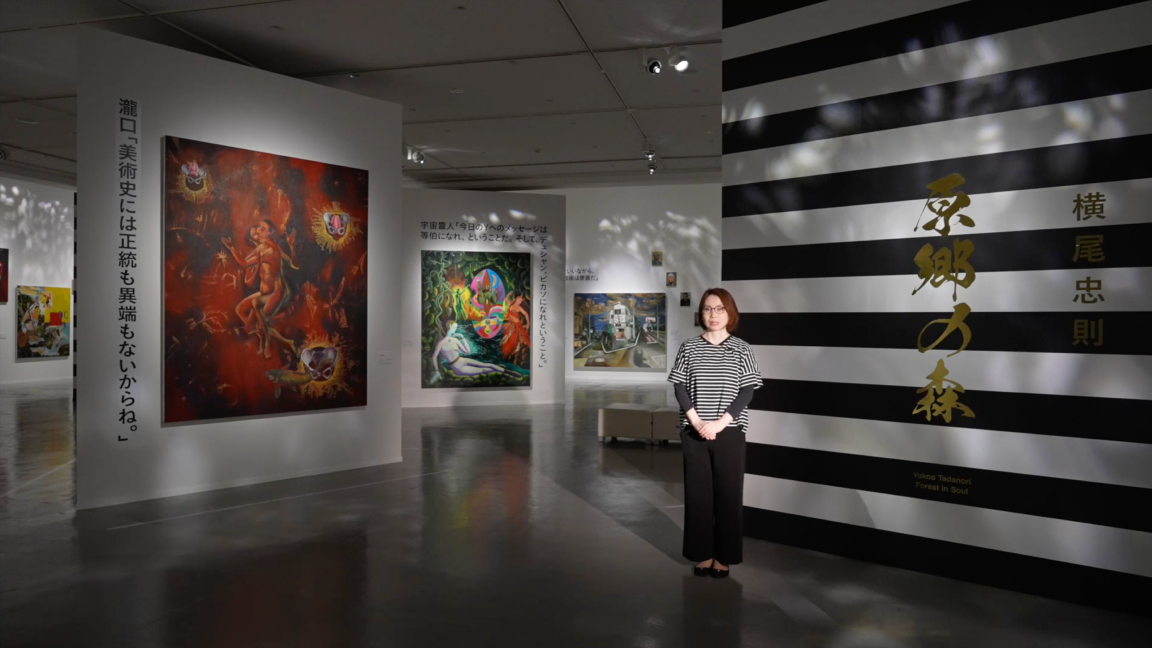
Yokoo Tadanori: Forest in Soul
18+
Yokoo Tadanori Museum of Contemporary Art Arts | Culture | Philosophy

Yokoo Tadanori: Forest in Soul

0 comments
Original Exhibition Title: 横尾忠則 原郷の森
Japan Kobe 2023 17 Japanese Japanese, English
Artistic ResearchContemporary ArtCultural MemoryHumanismIndividual and Collective in ArtInterdisciplinary StudiesMuseum EngagementSpiritualism in ArtSymbolic Art

All rights and copyrights to the film are held by the producer: Yokoo Tadanori Museum of Contemporary Art, Kobe, Japan.

For any legal inquiries, please contact the museum directly.

excoursio does not hold any copyright; it merely shares the original film material to support wider access and the dissemination of knowledge.

In a nutshell

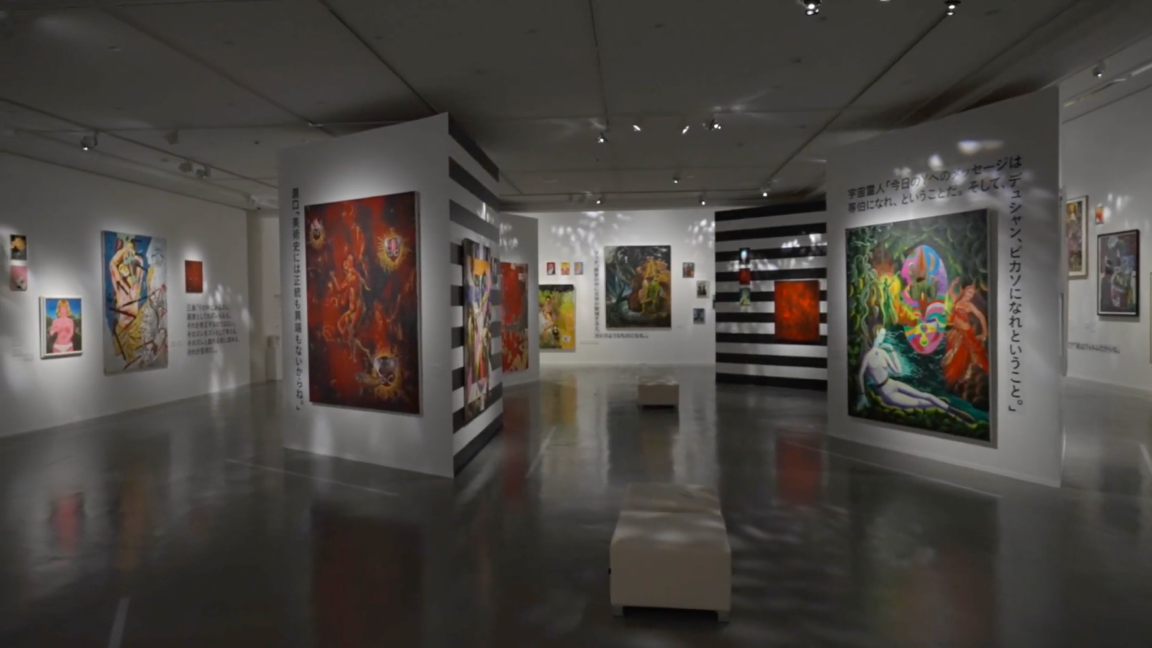
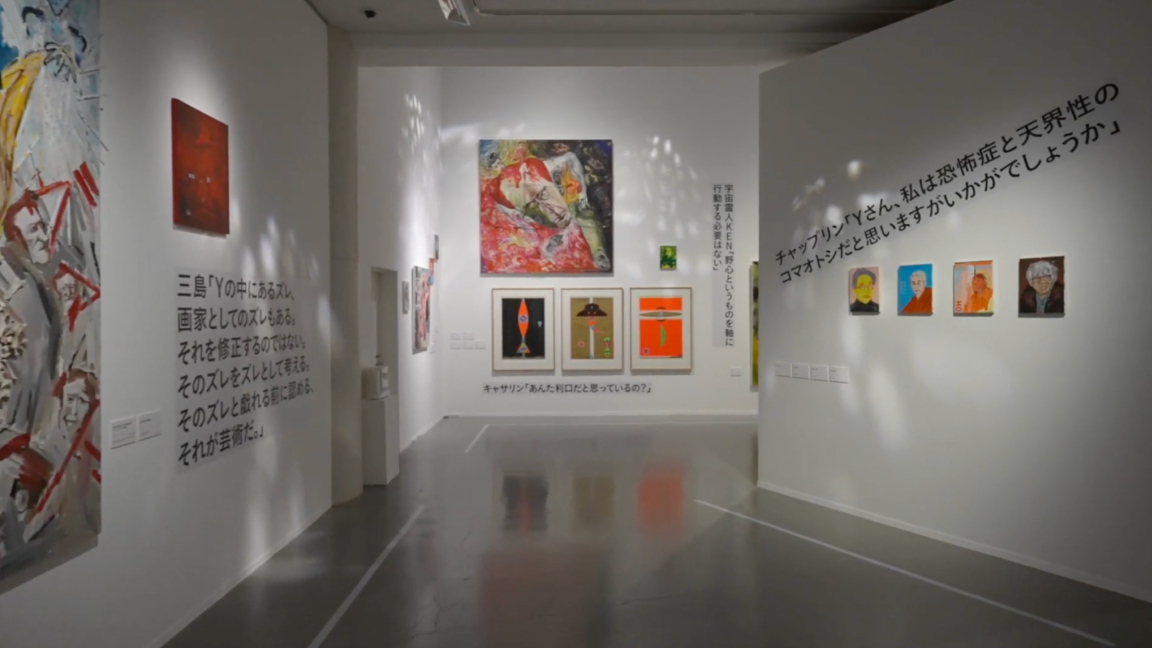
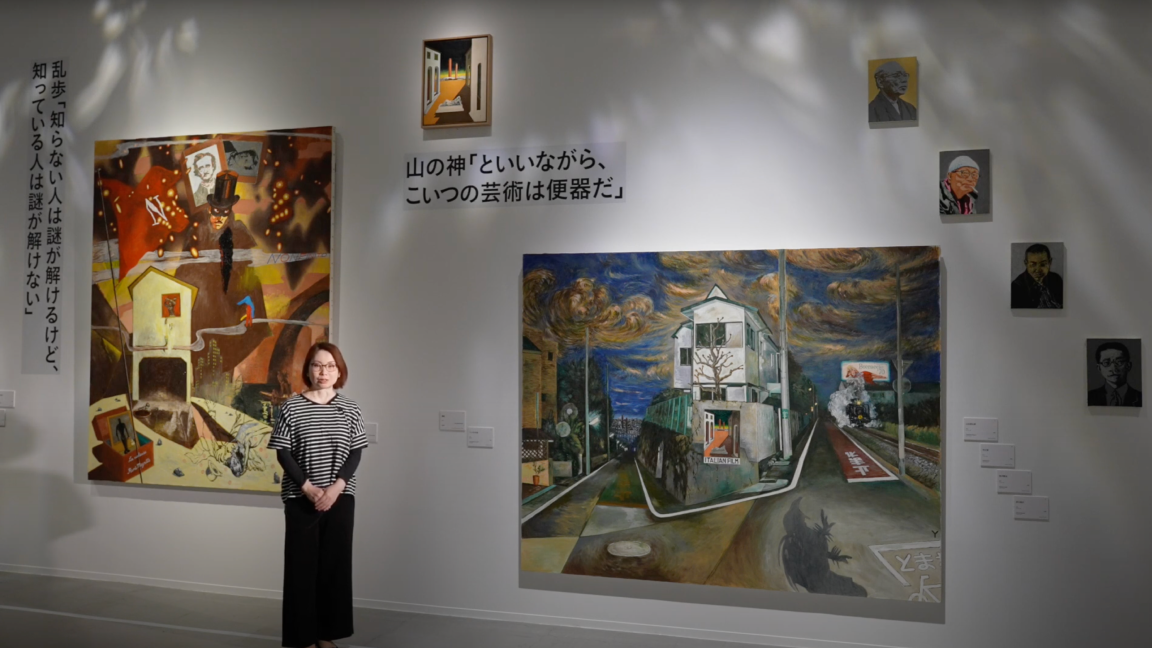
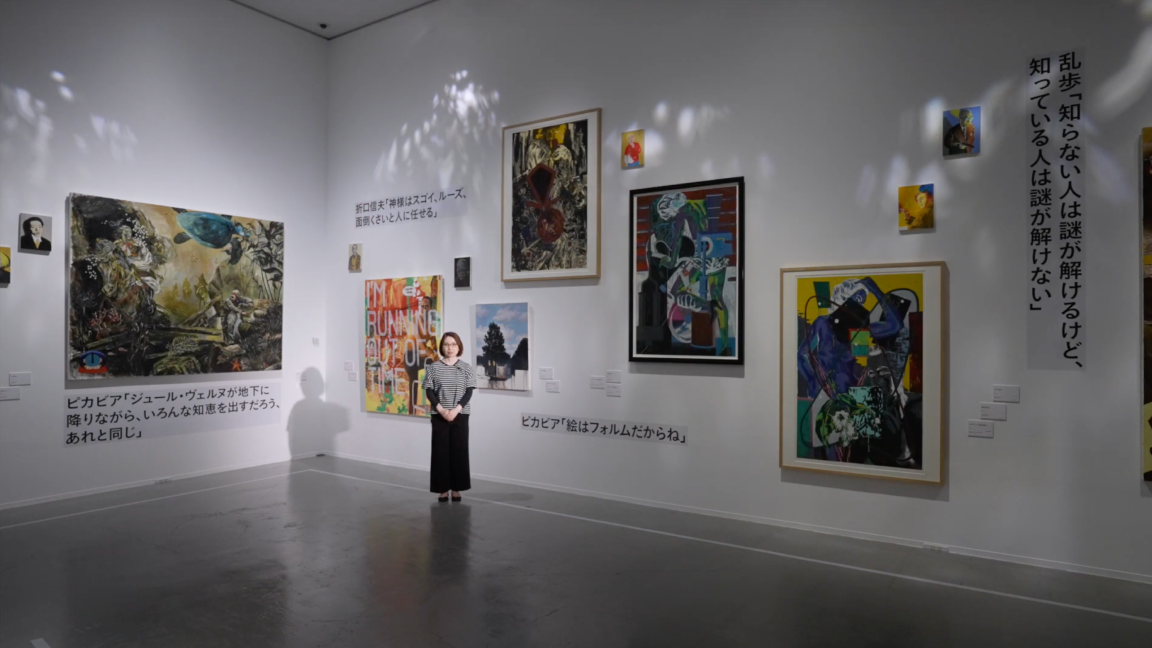
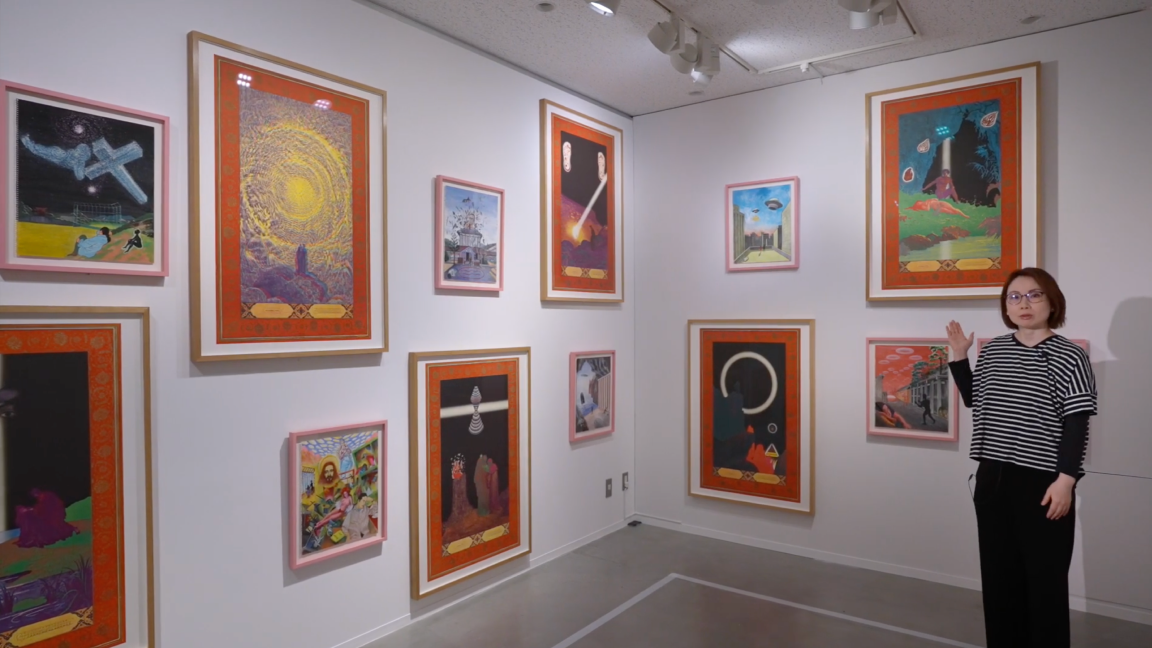
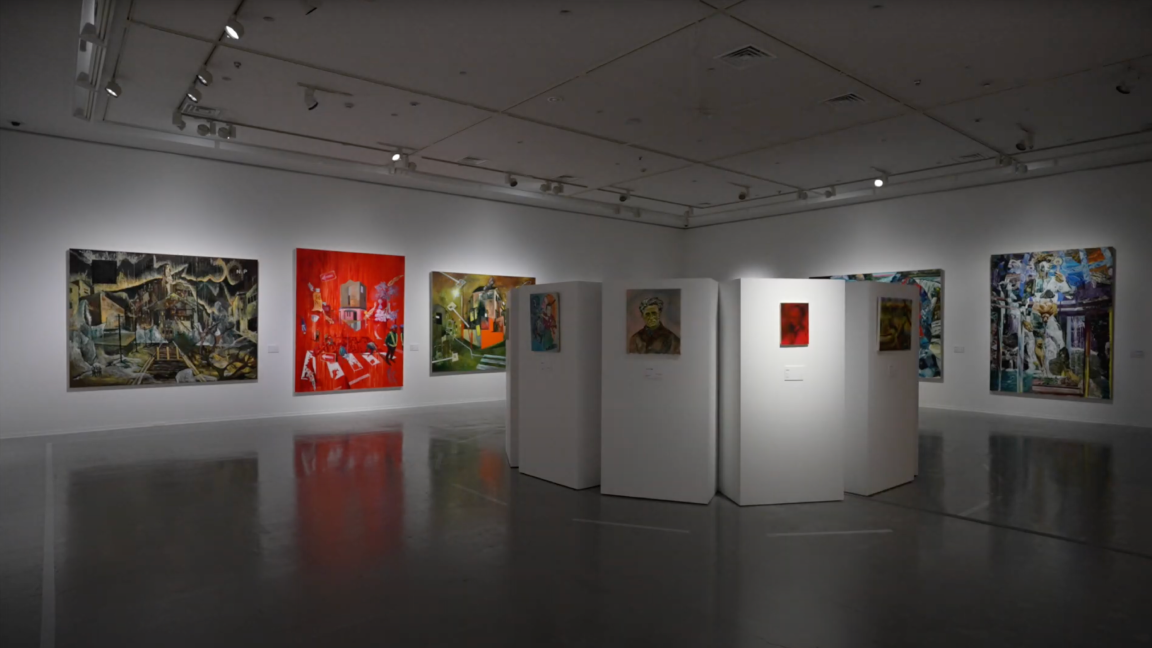
Yokoo Tadanori: Forest in Soul brings to life the artist’s 2022 novel, Genkyo no mori, transforming its narrative into an immersive exhibition. Yokoo Tadanori, a renowned painter and writer, explores art and life through conversations with 280 departed souls. These figures, from celebrated artists like Pablo Picasso and Marcel Duchamp to personal acquaintances and his beloved cat Tama, profoundly shaped Yokoo’s artistic vision throughout his career. The exhibition’s forest-like setting visually embodies these dialogues, inviting visitors to wander through Yokoo’s imagined world. Guests will discover how timeless influences from diverse realms can inspire creativity, prompting reflection on the enduring connections between existence, artistry, and memory.

Why should you watch this?

The film Forest in Soul speaks urgently to our moment by turning absence into conversation, showing how art sustains communities when memory fragments. Yokoo stages a forest where Y meets 280 departed voices — Picasso and Duchamp one moment, Mishima and Tama the next — so that art, history, and the personal overlap. The effect is at once uncanny and consoling: a circle of vanished figures arguing, joking, and offering stubborn truths that unsettle received stories while nourishing imagination. Moments such as the grand forum of the departed and a whispered exchange with Yokoo’s cat create both wonder and intimacy. The takeaway: listening across time renews how we live and make meaning together.

Curator

Naoko Ono

Bio

Naoko Ono is a curator at the Yokoo Tadanori Museum of Contemporary Art. She has collaborated with the museum’s archival and curatorial teams to bring lesser-seen works of Tadanori Yokoo to light, including drawings, preparatory sketches, and personal materials. Ono contributes to thematic exhibitions that emphasize overlooked moments in Yokoo’s long career, offering fresh perspectives on his creative process.

All films Last updated: 15/09/2025

Artist

Tadanori Yokoo

Bio

Tadanori Yokoo (born 1936 in Nishiwaki, Hyogo, Japan) is a celebrated Japanese graphic designer, illustrator, printmaker, and painter, widely recognized as one of Japan’s most influential contemporary artists. After a successful career in graphic design in the 1960s and 70s, where he gained international acclaim for his psychedelic, pop art-infused posters and album covers, he shifted his focus to painting in 1981. Yokoo’s work is characterized by its vibrant colors, intricate collages, and a unique blend of Japanese tradition with Western influences, often exploring themes of mysticism, the subconscious, and the human condition. His diverse career and unconventional approach have left an indelible mark on both Japanese and international art.

All films Last updated: 15/09/2025
Share Your Further Learning Recommendation
Follow us on social media
Logo
Share this film

The floor is yours

Explore

  • About
  • Contacts
  • FAQ
  • Collaborate
  • Any ideas?

Network

  • Institutions
  • Contributors
  • Partners
  • Support us

Transparency

  • Accessibility
  • Sustainability
  • #GoodForEducation
  • Usage Policy
  • Cookies

Latest guided tour films

loader

By subscribing, you acknowledge and agree that we will store, process, and manage your personal information in accordance with our Privacy Policy.

Stay tuned

  • instagram
  • facebook
  • linkedin
  • bluesky
  • mastodon
  • Imprint
  • Privacy Policy
  • Community Guidelines
  • Jobs

© 2026 excoursio e.V. (non-profit). All rights reserved.