
Menu

  • Categories
    • Arts
    • Culture
    • History
    • Music
    • Philosophy
    • Society & Politics
    • Technology & Science
  • Collections
  • Tags
  • Institutions
  • Contributors
  • All Films
  • Random Film

About

excoursio is a free platform for immersive guided tours, turning one-time walkthroughs into lasting learning experiences. excours.io means culture for everyone, everywhere.

Stay tuned

  • instagram
  • facebook
  • linkedin
  • bluesky
  • mastodon
Wow! ★ Y-Junctions presents Yokoo Tadanori’s extensive and evolving series, initiated in 2000, which transforms familiar three-way road junctions into profound artistic landscapes. This ambitious project began when Yokoo photographed a night scene in his hometown, revealing unexpected depths in everyday scenery. What started as an introspective world of light and shadow evolved through phases of explosive color, continuously generating new variations. The exhibition highlights this ongoing artistic exploration, featuring works from the series’ early years (2000-2005) and more recent creations from 2016 onwards. Visitors can witness how one artist’s singular vision redefines perception, inviting reflection on the hidden beauty and endless transformations within the commonplace world around us.The exhibition Forward to the Past: Yokoo Tadanori’s Road to Hanshan and Shide presents artist Yokoo Tadanori’s compelling new paintings, inspired by the Tang-dynasty (618-907 CE) Zen monks Hanshan and Shide, alongside key works from his extensive artistic journey. Responding to the profound global shifts beginning in 2020, Yokoo retreated to his studio, developing his “moro-tai” (obscure style) to portray Hanshan and Shide, celebrated for their tousled hair, ragged clothes, and hearty laughter. This collection reveals how an artist’s personal introspection during times of societal change can lead to an unexpected connection with historical figures and artistic renewal, inviting visitors to consider the enduring power of creative resilience across ages.N.K. Roerich’s exhibition unveils over 80 captivating works inspired by his 1925 Central Asian expedition. With an extraordinary blend of majestic mountain landscapes, Buddhist monasteries, and formidable fortresses, Roerich crafts a compelling narrative of heroism and spiritual pursuit that transcends cultural boundaries. His pieces celebrate the sacredness of labor and the enduring human spirit, evoking a universal call to courage and resilience. Roerich’s unique style, characterized by what can be termed “epic realism,” draws upon his deep understanding of history, folklore, and religious traditions.The exhibition Hanbok, Poetics of Line and the Passage of Life presents the story of traditional Korean attire, tracing its cultural significance and transformation through time. With a basic style originating in the Three Kingdoms period (37 BCE – 668 CE), the Hanbok shown primarily reflects that of the Joseon dynasty (1392 – 1910). The exhibition explores how this clothing embodies Korean ancestral values, worldview, and reverence for nature through its use in life’s milestone ceremonies and its symbolic colours derived from Yin-Yang theory. Curated by EuiJung McGillis, the presentation showcases items from a baby’s first birthday dress to royal robes, alongside modern reinterpretations by early twentieth-century shinyeoseong (new women). Visitors will discover Hanbok as a transmitter of tradition and a dynamic symbol of Korean identity in a global context.The exhibition GASTEV. How to Work examines the profound influence of Alexey Gastev, a key figure in Soviet thought and the founder of the Central Institute of Labor (CIT). Gastev’s work in the 1920s and 1930s revolutionized labor practices through his development of scientific labor organization (NOT), blending Marxist ideology with avant-garde approaches to efficiency, biomechanics, and human-machine interaction. His theories sought to transform workers into precise, efficient elements of industrial production, reflecting the broader Soviet utopian vision of reshaping society through labor. The exhibition contextualizes Gastev’s role not just as an organizer but as a visionary whose ideas on human potential and mechanization resonate with contemporary discussions on automation and the future of work. Despite his execution during the Stalin’s Great Purge/Terror, Gastev’s legacy continues to provoke thought on the relationship between labor, politics, and the shaping of the modern human. More at http://avantgarde.center/gastev (in Russian only)
Toggle sidebar & navigation
  • Categories
    • Arts
    • Culture
    • History
    • Music
    • Philosophy
    • Society & Politics
    • Technology & Science
  • Collections
  • Tags
  • Institutions
  • Contributors
  • All Films
  • Random Film
excoursio
https://www.youtube.com/watch?v=WnauaNTg05I&rel=0&autoplay=0&controls=1
Yokoo Tadanori's Game of Life
18+
Yokoo Tadanori Museum of Contemporary Art Arts | Culture | Philosophy

Yokoo Tadanori’s Game of Life

0 comments
Original Exhibition Title: 横尾忠則の人生スゴロク展
Japan Kobe 2025 18 Japanese Japanese, English
Artistic ResearchContemporary ArtCultural MemoryDaily LifeHumanismIndividual and Collective in ArtInnovations in ArtInteractive ExhibitionMuseum EngagementParticipation

All rights and copyrights to the film are held by the producer: Yokoo Tadanori Museum of Contemporary Art, Kobe, Japan.

For any legal inquiries, please contact the museum directly.

excoursio does not hold any copyright; it merely shares the original film material to support wider access and the dissemination of knowledge.

In a nutshell

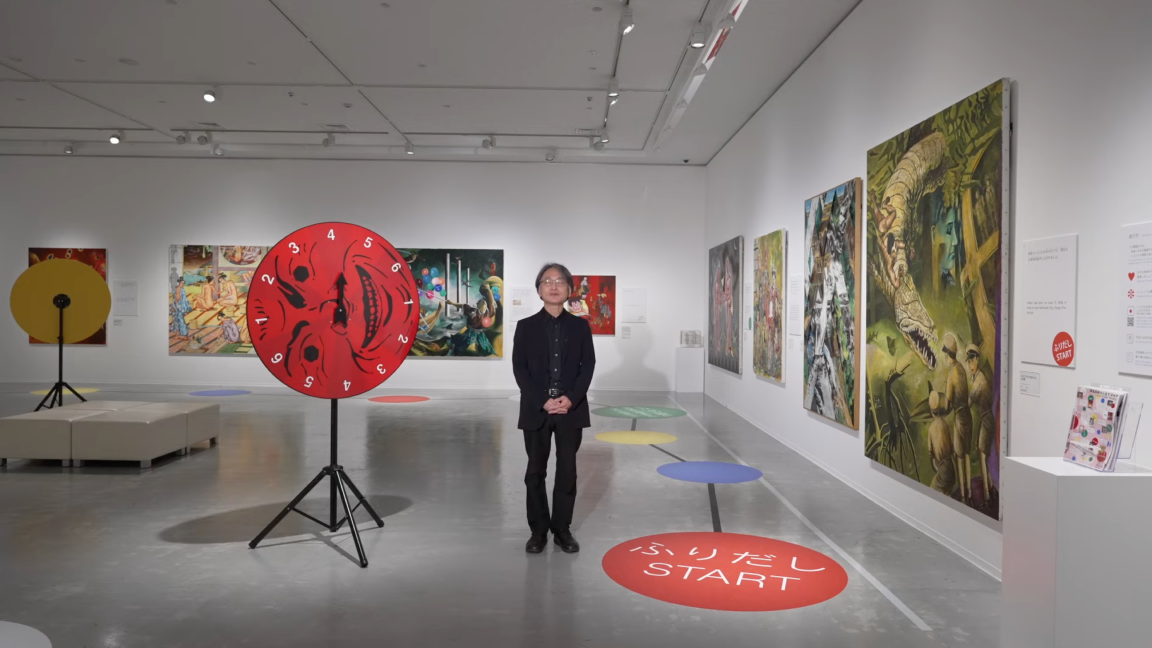
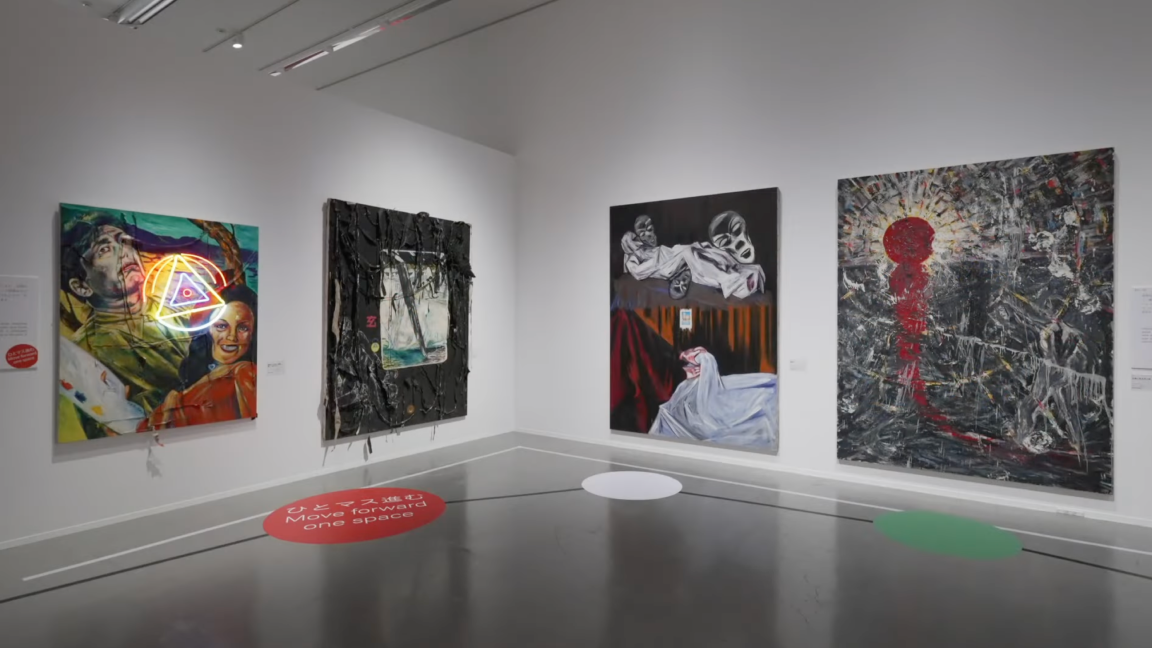
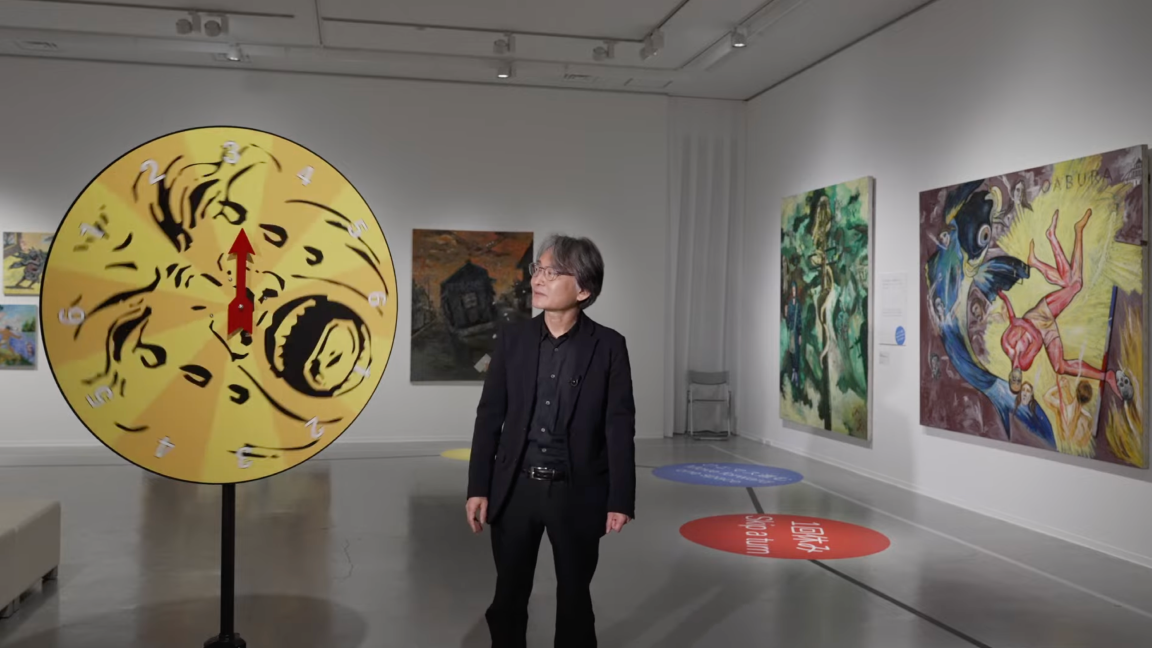
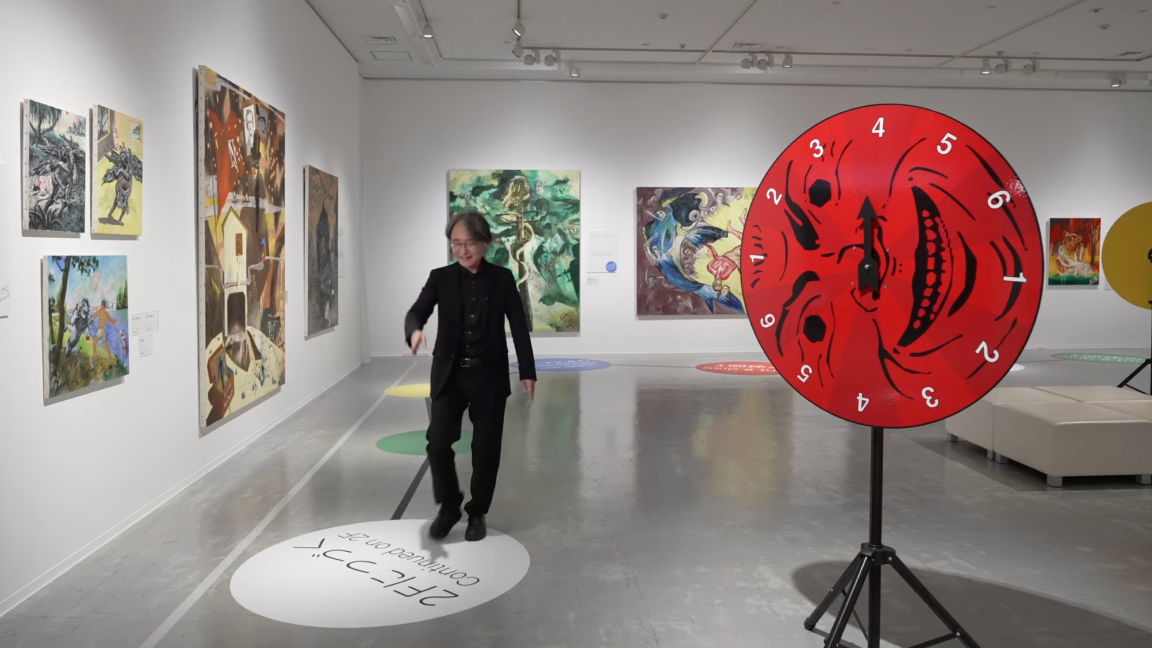
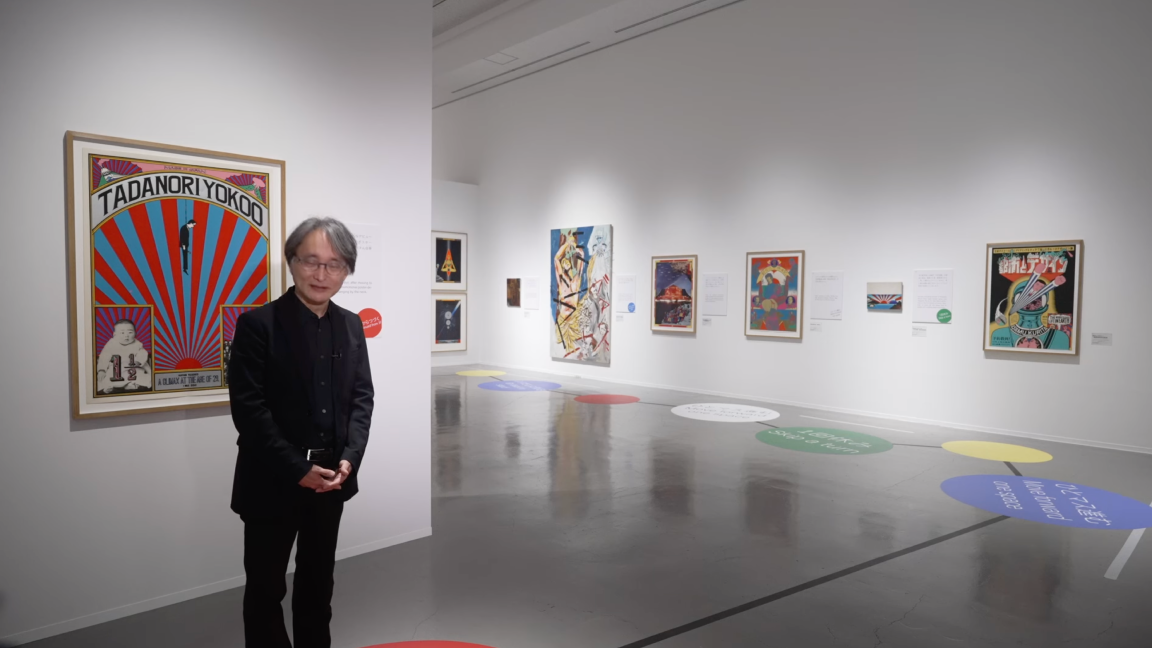
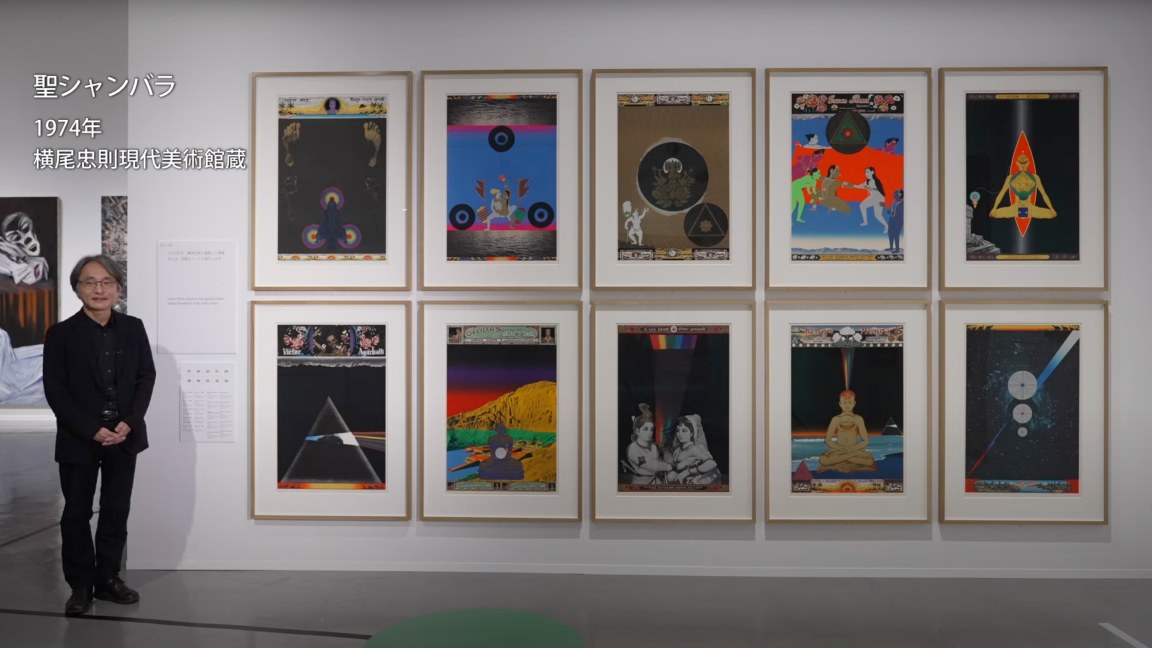
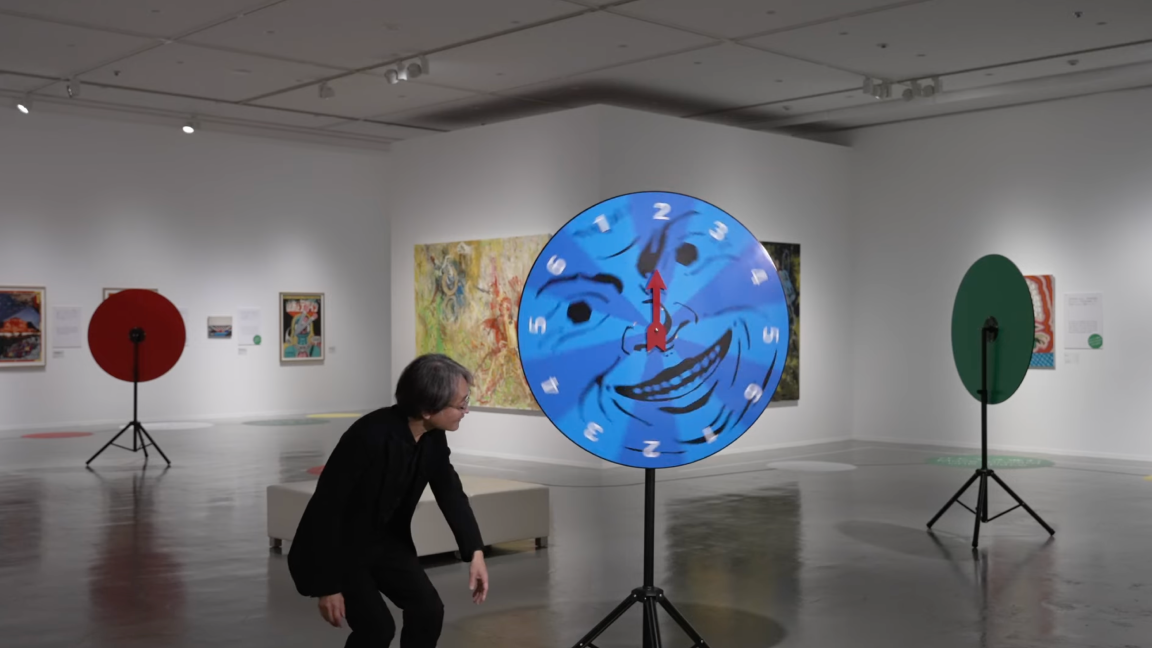
Yokoo Tadanori’s Game of Life transforms the artist’s remarkable journey into an interactive board game, inviting visitors to experience his extensive artistic world firsthand. Born in 1936, Yokoo Tadanori has navigated a career spanning decades, marked by a philosophy that embraces destiny and chance. The exhibition explores how his art reflects life’s unpredictable path, where outcomes are often left to fate, much like reaching the “Finish” square in a game. Through this engaging format, featuring the visionary artist’s work, the exhibition encourages reflection on the interplay of choice and fortune in shaping creative expression and individual trajectories. Visitors will gain a fresh perspective on his unique artistic vision and the unpredictable nature of life itself.

Why should you watch this?

The film Yokoo Tadanori’s Game of Life feels urgent now because it frames existence as both play and chance, echoing the uncertainty of our own times. Yokoo’s use of the board game format highlights how life’s path is shaped as much by accident as by intention, a theme that resonates in an era of shifting global realities. Moving between moments of triumph, setback, and surprise, the exhibition transforms autobiography into a shared reflection on fate. The playful roll of the dice becomes a metaphor for resilience, leaving viewers with a reminder that unpredictability is not chaos but a condition of living.

Curator

Atsuo Yamamoto

Bio

Atsuo Yamamoto is a Japanese curator and Chief Curator at the Yokoo Tadanori Museum of Contemporary Art (Y+T MOCA), Kobe. He has held curator roles previously at the Ashiya City Museum of Art & History and the Museum of Modern Art, Shiga. Yamamoto has been closely involved with the establishment of Y+T MOCA since about 2011; the museum opened in November 2012 in a renovated wing of a building originally designed by architect Tōgō Murano. Under his direction, the museum’s holdings have grown to thousands of works and materials — including hundreds of paintings, prints, posters, drawings, photographs and archival boxes — and he oversees the archival, conservation, and exhibition programs. Yamamoto is also known for his interest in post-war Japanese modernism, including the Gutai art movement. He has curated exhibitions and contributed publications about Gutai members such as Saburo Murakami.

All films Last updated: 12/09/2025

Artist

Tadanori Yokoo

Bio

Tadanori Yokoo (born 1936 in Nishiwaki, Hyogo, Japan) is a celebrated Japanese graphic designer, illustrator, printmaker, and painter, widely recognized as one of Japan’s most influential contemporary artists. After a successful career in graphic design in the 1960s and 70s, where he gained international acclaim for his psychedelic, pop art-infused posters and album covers, he shifted his focus to painting in 1981. Yokoo’s work is characterized by its vibrant colors, intricate collages, and a unique blend of Japanese tradition with Western influences, often exploring themes of mysticism, the subconscious, and the human condition. His diverse career and unconventional approach have left an indelible mark on both Japanese and international art.

All films Last updated: 15/09/2025
Share Your Further Learning Recommendation
Follow us on social media
Logo
Share this film

The floor is yours

Explore

  • About
  • Contacts
  • FAQ
  • Collaborate
  • Any ideas?

Network

  • Institutions
  • Contributors
  • Partners
  • Support us

Transparency

  • Accessibility
  • Sustainability
  • #GoodForEducation
  • Usage Policy
  • Cookies

Latest guided tour films

loader

By subscribing, you acknowledge and agree that we will store, process, and manage your personal information in accordance with our Privacy Policy.

Stay tuned

  • instagram
  • facebook
  • linkedin
  • bluesky
  • mastodon
  • Imprint
  • Privacy Policy
  • Community Guidelines
  • Jobs

© 2026 excoursio e.V. (non-profit). All rights reserved.

We use cookies to ensure that we give you the best experience on our website. If you continue to use this site we will assume that you are happy with it.