
Menu

  • Categories
    • Arts
    • Culture
    • History
    • Music
    • Philosophy
    • Society & Politics
    • Technology & Science
  • Collections
  • Tags
  • Institutions
  • Contributors
  • All Films
  • Random Film

About

excoursio is a free platform for immersive guided tours, turning one-time walkthroughs into lasting learning experiences. excours.io means culture for everyone, everywhere.

Stay tuned

  • instagram
  • facebook
  • linkedin
  • bluesky
  • mastodon
“Arrival of the Train” is a captivating exhibition that unites over a hundred artistic works from both Russian and international creators, celebrating the train’s rich cultural significance as a harbinger of change and progress. It delves into the multifaceted roles of trains throughout history—from transformative technological marvels to poignant symbols in art—inviting viewers to journey through time and space. Showcasing everything from the historic funeral train of Lenin to the nostalgic echoes of the Trans-Siberian Railway, the exhibition highlights the train’s enduring impact on civilization and its power as a vessel for communication and innovation, ultimately crafting a shared narrative that connects cultures and eras in a uniquely dynamic way.The exhibition Notes from the Underground. Art and Alternative Music in Eastern Europe 1968–1994 examines the intersection of underground music and visual arts under communist regimes in Eastern Europe. It highlights how rock, punk, and new wave music, alongside performance art, fashion, and film, became tools of countercultural expression against state control. In response to censorship and scarcity, artists and musicians created homemade instruments, produced Samizdat magazines, and distributed recordings. The exhibition underscores the role of improvisation and irony in resisting authoritarianism, with works from Poland, Yugoslavia, the Soviet Union, and Czechoslovakia, offering a new perspective on how art and music intertwined as forms of dissent.The exhibition “Your review is very important to us” delves into the evolving landscape of reader engagement with classical literature, inviting visitors to explore how expressions of opinion have transformed from the 19th century to today’s digital era. Through a compelling blend of research by philologist Anna Gerasimova and innovative works from contemporary Russian artists, the show raises thought-provoking questions about the interplay between amateur reviews and literary criticism. Viewers will experience how machine learning interprets text, engage with an audio installation that echoes voices from the past and present, and even connect Nabokov’s correspondence to modern digital discourse.Haim Sokol’s solo exhibition delves into the intricate interplay of memory and oblivion, offering a poignant exploration of individual narratives amidst historical upheaval. Blending documentary material with artistic expression, Sokol showcases a decade’s worth of work that includes videos in collaboration with migrant workers, a workshop dedicated to the art of protest, and a thought-provoking examination of “paper memory.” The exhibition features a rich tapestry of forms — drawings, performances, installations, and objects crafted from diverse materials such as metal, leather, and plastic — all converging around the central video installation “Testimony,” which poignantly recounts his father’s harrowing experiences in a ghetto during WWII. This compelling collection not only honors those marginalized in history but also ignites crucial conversations about identity, resilience, and the significance of personal testimonies in contemporary art.The exhibition serves as a poignant exploration of the pervasive and often absurd censorship that defined Soviet culture over 70 years. By navigating through the Russian alphabet—from the arrest of manuscripts to the Yauza tape recorder and the underground phenomenon of magnitizdat—visitors will uncover a narrative rich in both cruelty and resilience. Each letter unveils stories of meticulous scrutiny and cold repression, highlighting the complex interplay between censorship and state security, while also showcasing remarkable acts of civil defiance against artistic oppression. Enhanced by an array of documents, media, and artifacts, this exhibition invites you to explore the hidden layers of Soviet history and the power of creative expression that endeavored to resist the “red pencils” of authority.
Toggle sidebar & navigation
  • Categories
    • Arts
    • Culture
    • History
    • Music
    • Philosophy
    • Society & Politics
    • Technology & Science
  • Collections
  • Tags
  • Institutions
  • Contributors
  • All Films
  • Random Film
excoursio
https://www.youtube.com/watch?v=hgpl86rDNT4&rel=0&autoplay=0&controls=1
Yokoo Tadanori's Haunted Museum
18+
Yokoo Tadanori Museum of Contemporary Art Arts | Culture | Philosophy

Yokoo Tadanori’s Haunted Museum

0 comments
Original Exhibition Title: 横尾忠則の恐怖の館
Japan Kobe 2021 13 Japanese Japanese, English
Art and TraumaArtistic ResearchContemporary ArtCultural MemoryEastern ArtMuseum EngagementPsychiatric Institutions

All rights and copyrights to the film are held by the producer: Yokoo Tadanori Museum of Contemporary Art, Kobe, Japan.

For any legal inquiries, please contact the museum directly.

excoursio does not hold any copyright; it merely shares the original film material to support wider access and the dissemination of knowledge.

In a nutshell

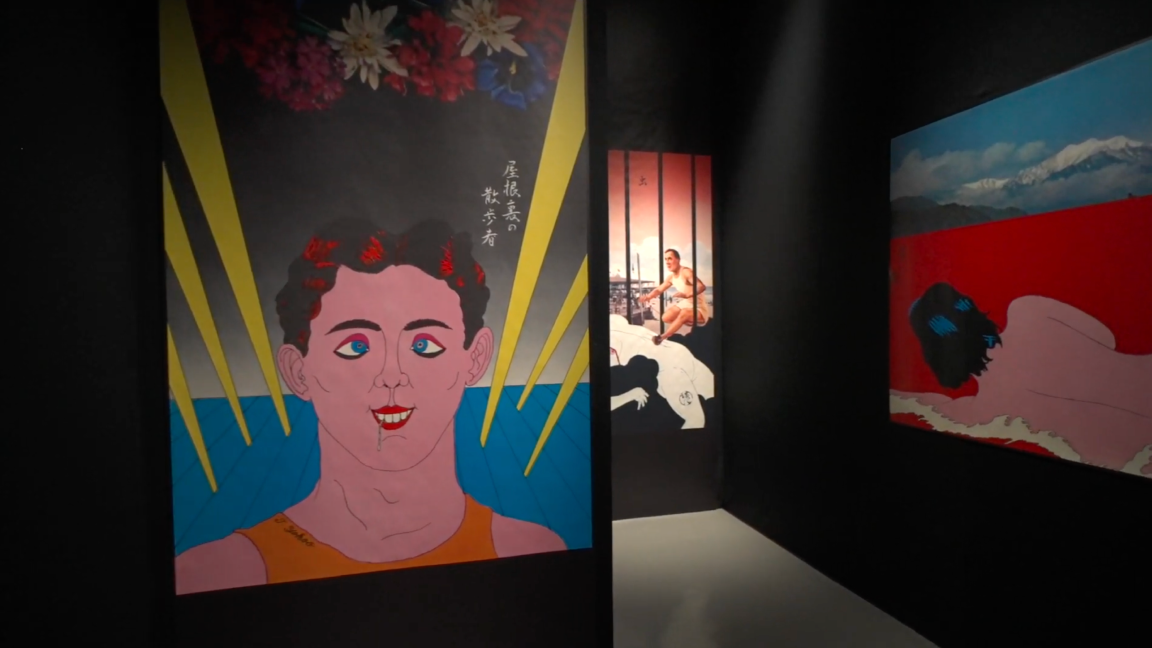
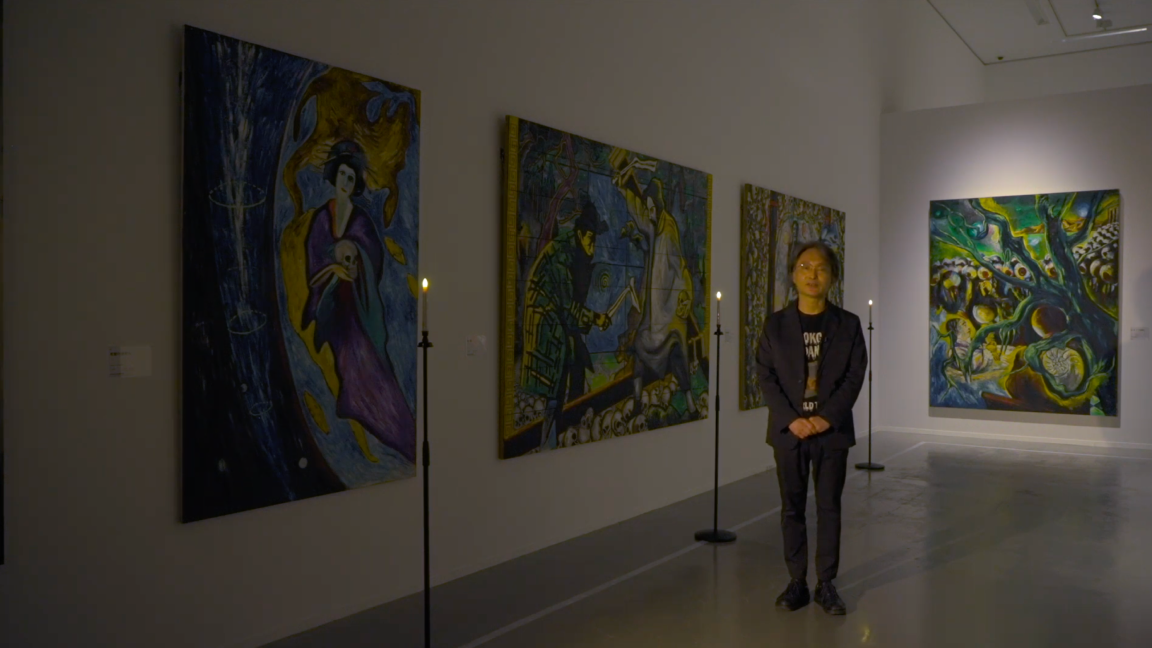
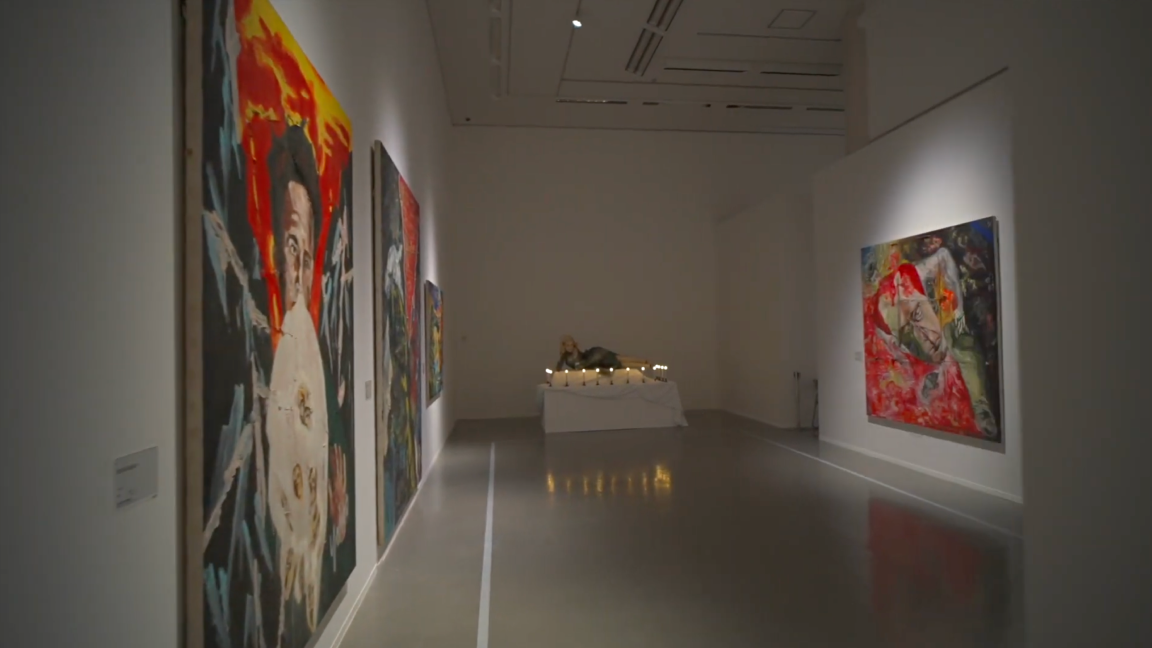
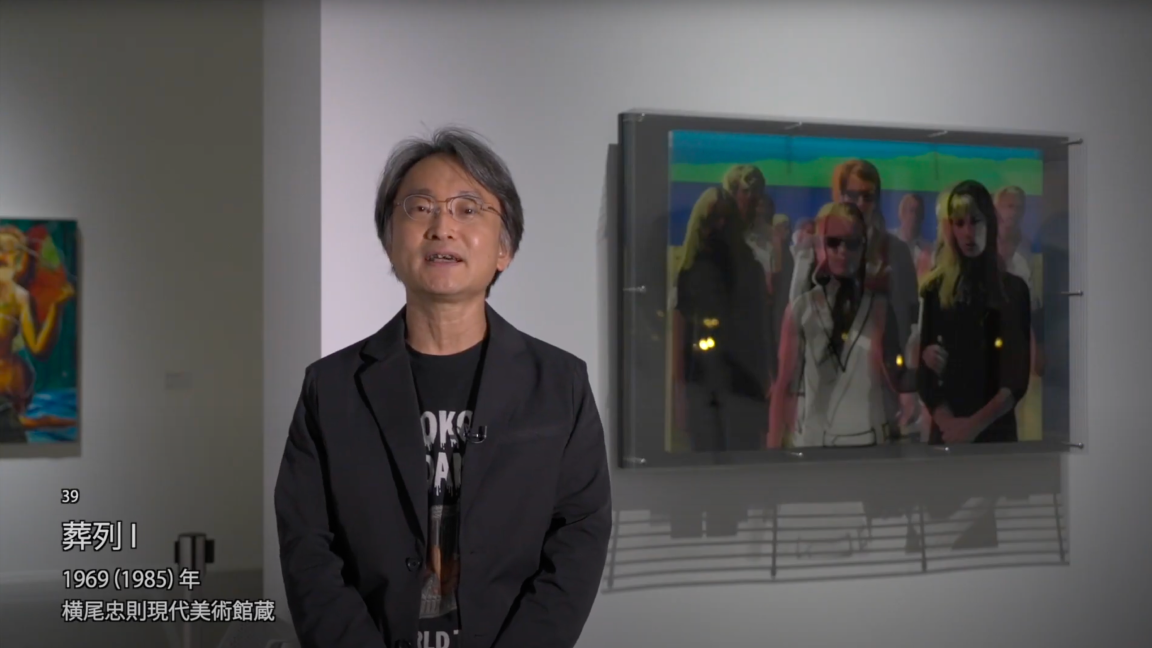
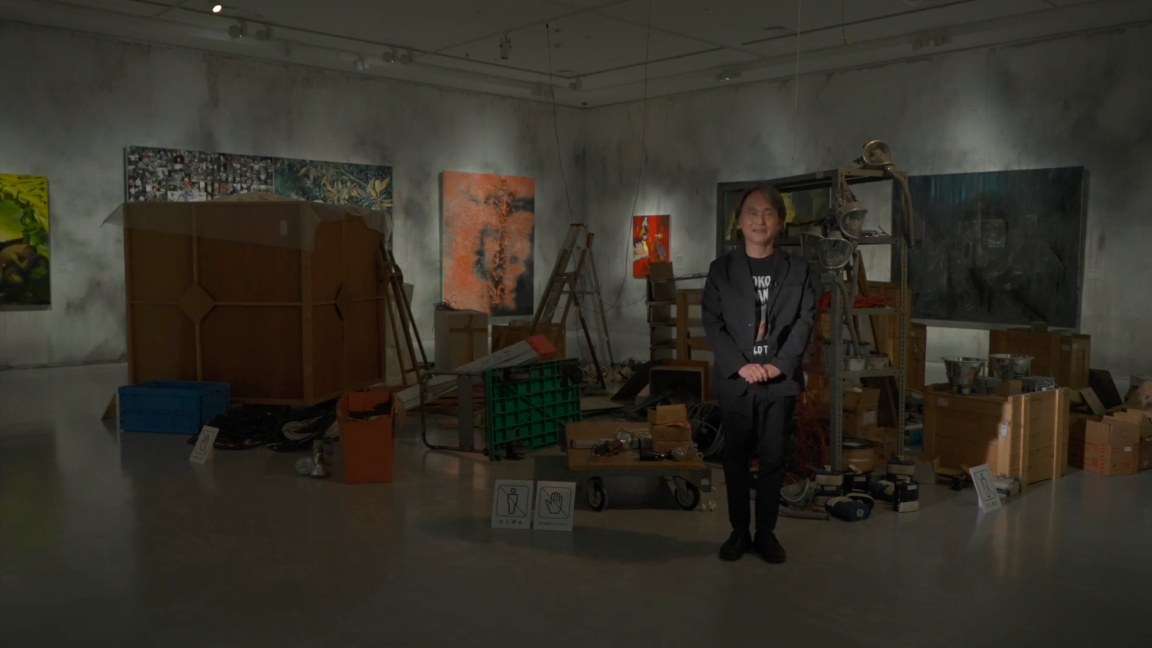
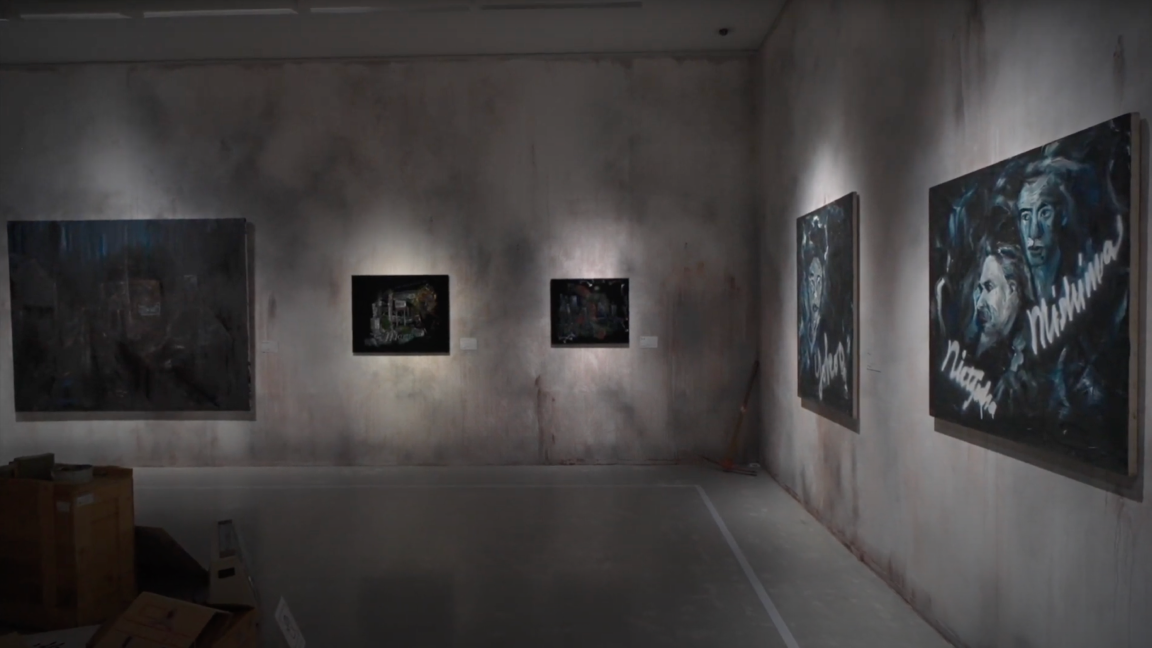
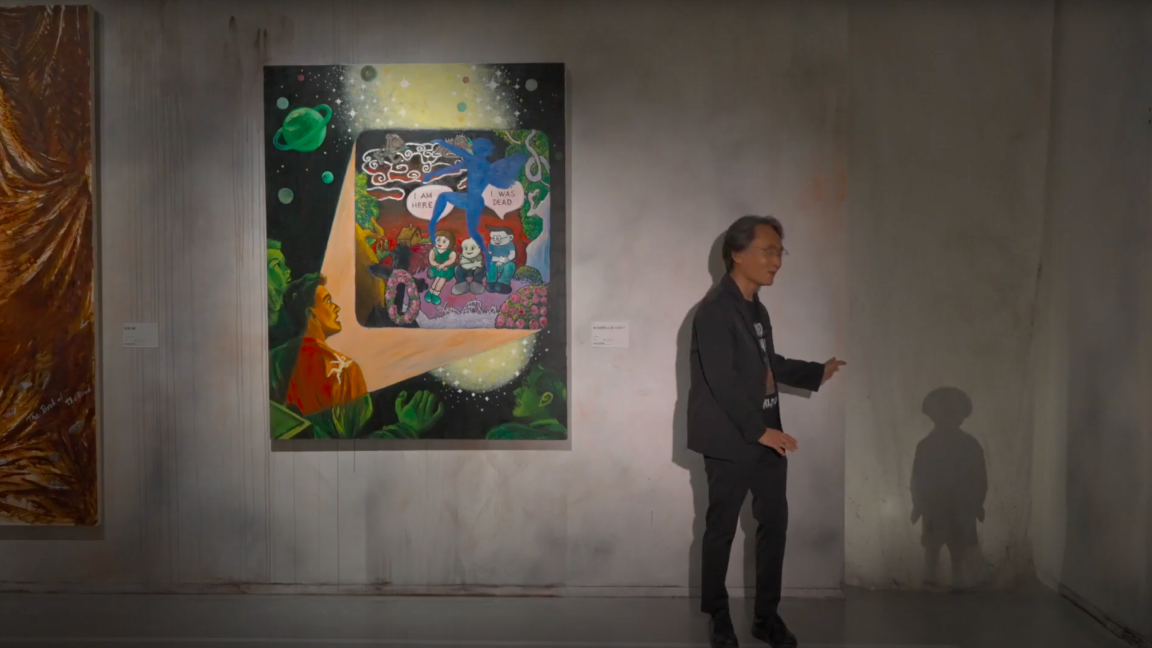
Yokoo Tadanori’s Haunted Museum presents a compelling exploration of the intrinsic connection between art and fear, featuring a diverse range of the artist’s works. Yokoo Tadanori has consistently pursued phenomena that remain invisible or unexplainable by science, a fascination rooted in his childhood experiences with profound darkness and mystical encounters in Nishiwaki. This deeply personal history informs much of his art, from his celebrated illustrations for the Complete Works of Edogawa Rampo to his paintings created since his “painter’s declaration.” The exhibition, designed with deliberately darkened spaces, encourages visitors to engage with their own ambivalent emotions of wanting to look yet fearing the unknown. It highlights art’s enduring capacity to interpret and express humanity’s primal responses to mystery and the unseen, fostering a reflection on these universal aspects of human existence.

Why should you watch this?

The film Yokoo Tadanori’s Haunted Museum asks what happens when fear and curiosity meet in the same moment. Drawing on childhood nights of complete darkness and on the unsettling imagery of his Edogawa Rampo illustrations, Yokoo turns the unseen into something you can almost touch. A face appearing out of shadow or a mouth repeated like a chant unsettles, yet also holds you in place. The experience lingers because it reminds us that fear is not only about danger but about discovery, and that learning to face it can change how we see the world.

Curator

Atsuo Yamamoto

Bio

Atsuo Yamamoto is a Japanese curator and Chief Curator at the Yokoo Tadanori Museum of Contemporary Art (Y+T MOCA), Kobe. He has held curator roles previously at the Ashiya City Museum of Art & History and the Museum of Modern Art, Shiga. Yamamoto has been closely involved with the establishment of Y+T MOCA since about 2011; the museum opened in November 2012 in a renovated wing of a building originally designed by architect Tōgō Murano. Under his direction, the museum’s holdings have grown to thousands of works and materials — including hundreds of paintings, prints, posters, drawings, photographs and archival boxes — and he oversees the archival, conservation, and exhibition programs. Yamamoto is also known for his interest in post-war Japanese modernism, including the Gutai art movement. He has curated exhibitions and contributed publications about Gutai members such as Saburo Murakami.

All films Last updated: 12/09/2025

Artist

Tadanori Yokoo

Bio

Tadanori Yokoo (born 1936 in Nishiwaki, Hyogo, Japan) is a celebrated Japanese graphic designer, illustrator, printmaker, and painter, widely recognized as one of Japan’s most influential contemporary artists. After a successful career in graphic design in the 1960s and 70s, where he gained international acclaim for his psychedelic, pop art-infused posters and album covers, he shifted his focus to painting in 1981. Yokoo’s work is characterized by its vibrant colors, intricate collages, and a unique blend of Japanese tradition with Western influences, often exploring themes of mysticism, the subconscious, and the human condition. His diverse career and unconventional approach have left an indelible mark on both Japanese and international art.

All films Last updated: 15/09/2025
Share Your Further Learning Recommendation
Follow us on social media
Logo
Share this film

The floor is yours

Explore

  • About
  • Contacts
  • FAQ
  • Collaborate
  • Any ideas?

Network

  • Institutions
  • Contributors
  • Partners
  • Support us

Transparency

  • Accessibility
  • Sustainability
  • #GoodForEducation
  • Usage Policy
  • Cookies

Latest guided tour films

loader

By subscribing, you acknowledge and agree that we will store, process, and manage your personal information in accordance with our Privacy Policy.

Stay tuned

  • instagram
  • facebook
  • linkedin
  • bluesky
  • mastodon
  • Imprint
  • Privacy Policy
  • Community Guidelines
  • Jobs

© 2026 excoursio e.V. (non-profit). All rights reserved.

We use cookies to ensure that we give you the best experience on our website. If you continue to use this site we will assume that you are happy with it.