
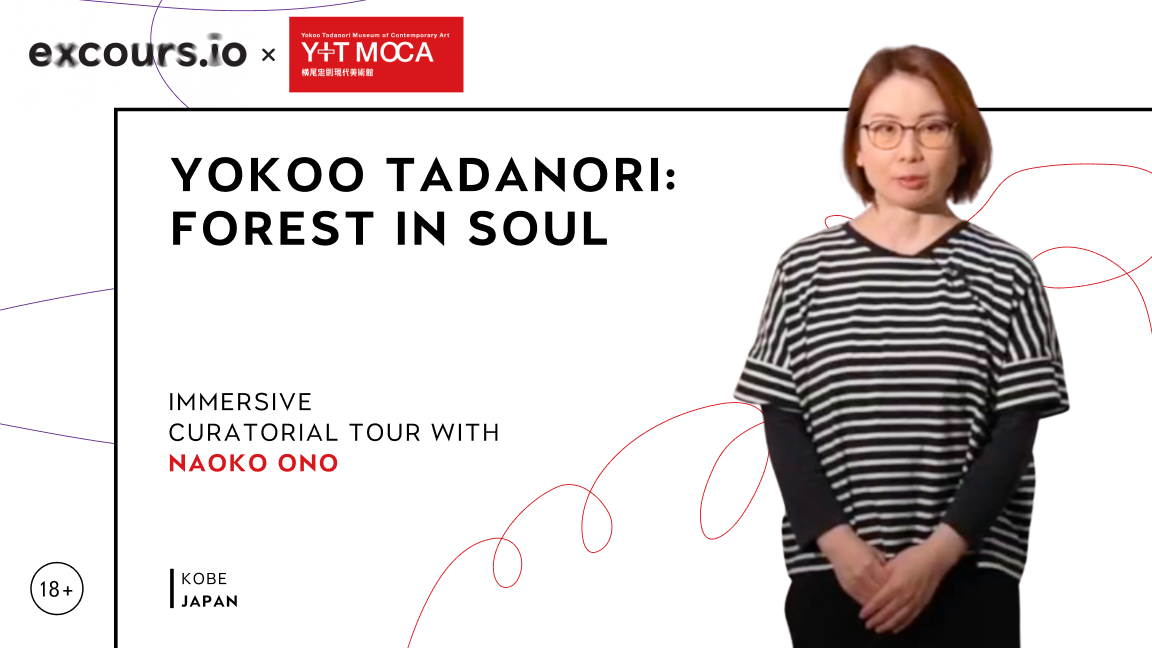
Yokoo Tadanori: Forest in Soul
 Japan
Japan
 Kobe
Kobe
 2023
2023
 17
17
Yokoo Tadanori: Forest in Soul brings to life the artist’s 2022 novel, Genkyo no mori, transforming its narrative into an immersive exhibition. Yokoo Tadanori, a renowned painter and writer, explores art and life through conversations with 280 departed souls. These figures, from celebrated artists like Pablo Picasso and Marcel Duchamp to personal acquaintances and his beloved cat Tama, profoundly shaped Yokoo’s artistic vision throughout his career. The exhibition’s forest-like setting visually embodies these dialogues, inviting visitors to wander through Yokoo’s imagined world. Guests will discover how timeless influences from diverse realms can inspire creativity, prompting reflection on the enduring connections between existence, artistry, and memory.
Why should you watch this?
Curators in Panic
Japan
Kobe
2021
21
The exhibition Curators in Panic addresses the unpredictable realities of operating a contemporary art museum, presenting unique works by artist Yokoo Tadanori, who has continuously redefined painting since the 1980s. Rooted in the early 2020s — a period marked by the coronavirus crisis and logistical demands from the large-scale retrospective Genkyo Yokoo Tadanori — this show responds directly to the sudden absence of major holdings and the challenges of museum governance. Three participating curators, deeply familiar with the collection, selected their personal favorites not included in the tour, highlighting the profound existence of the artist’s full creative output. This perspective reflects the confusion of managing a cultural facility during a state of emergency. By adopting the curators’ viewpoint, visitors gain an opportunity to freely enjoy the viewing experience and rediscover the rich, constantly changing creative world of Yokoo Tadanori.
Why should you watch this?
Curators in Panic speaks directly to the uncertainties of our present, when cultural institutions and everyday life alike are shaped by disruption and absence. The film captures the uneasy humor of curators calling their own exhibition a “state of emergency,” a phrase that resonates far beyond the museum walls in a world still negotiating the aftershocks of the coronavirus crisis. Their candid voices, recounting both discoveries and setbacks, turn curatorial practice into a deeply human story of resilience and adaptation. Viewers are left with a striking reminder that art, even when interrupted or displaced, continues to create meaning and connection.
Yokoo Tadanori Collection Gallery 2021
Japan
Kobe
2021
13
The Yokoo Tadanori Collection Gallery presents a comprehensive view of the artistic world and deep influences shaping the practice of Japanese artist Yokoo Tadanori. This permanent space, established in 2021 within the Yokoo Tadanori Museum of Contemporary Art in Hyogo Prefecture, Japan, displays his original drawings, color proofs, and project designs. The collection offers insight into the cultural and historical contexts that fed Yokoo’s aesthetic, illuminating the wider network of artistic references he engaged with. Visitors can study archive materials and works by figures he admired, such as Francis Picabia and Giorgio de Chirico, revealing the sources that informed his output. The gallery ultimately encourages visitors to recognize the enduring dialogue between personal vision and international creative lineage that defines lasting contemporary art.
Why should you watch this?
The Yokoo Tadanori Collection Gallery reveals the surprising connections between Yokoo’s imaginative designs and the works of artists he admired, such as Picabia and de Chirico, showing how ideas travel across time and place. Scenes capturing his bold color proofs alongside delicate sketches create moments of both delight and contemplation, exposing the processes behind visual invention. By following the intersections of personal creativity and broader artistic currents, the film invites viewers to experience the thrill of discovery and recognize how enduring inspiration emerges from unexpected juxtapositions, offering a vivid reminder of the vitality of art across generations.
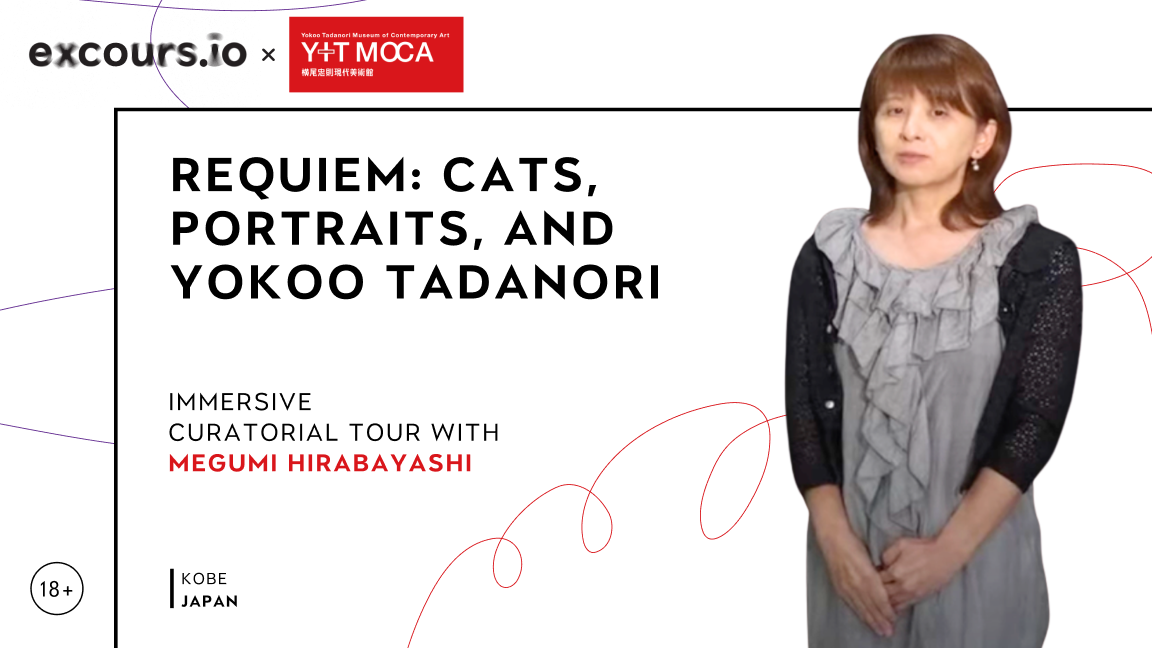
Requiem: Cats, Portraits, and Yokoo Tadanori
Japan
Kobe
2024
17
Requiem: Cats, Portraits explores artist Yokoo Tadanori’s profound connections with departed friends, family, and beloved cats, tracing his influential career from the 1960s to the present. Born in 1936, Yokoo’s artistic journey has always been shaped by deep personal relationships and collaborative endeavors across various creative fields. The exhibition features portraits and personal statements, alongside items like the Tama, Come Home series, dedicated to his late cat. Visitors will also see examples of his enduring friendship with designer Issey Miyake, including iconic invitation designs from the 1970s onwards. This unique presentation invites viewers to reflect on how cherished relationships transcend time, influencing an artist’s vision and offering a glimpse into a timeless “Yokoo World.”
Why should you watch this?
The film Requiem: Cats, Portraits speaks to the need to keep memories alive in a time when loss touches many lives. Yokoo Tadanori’s portraits of friends, family, and his late cat Tama are not only records of affection but also reminders of how relationships shape creative vision. The display of Issey Miyake’s invitations alongside Yokoo’s drawings captures the energy of a friendship that spanned decades, showing how personal ties can fuel artistic innovation. Moving between private recollection and shared cultural history, the work invites viewers to consider how love, grief, and memory continue to shape the world we inhabit.
Maya Schweizer – Voices
Germany
Munich
2020
43
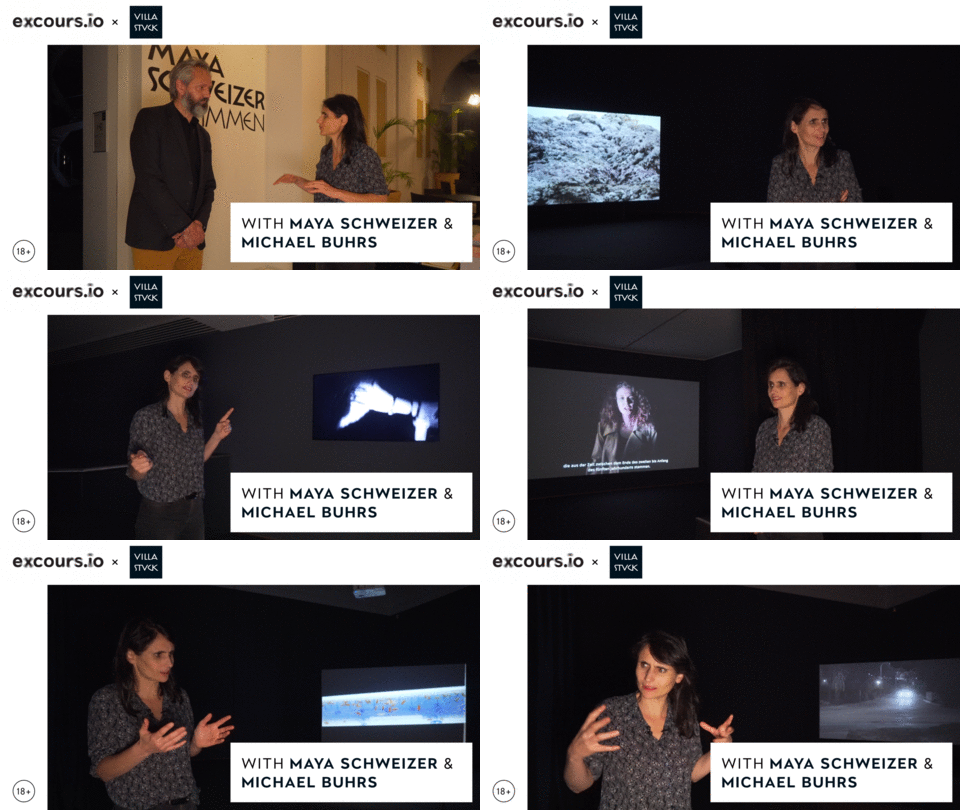
Human perception of time often resembles a collage — fragmented and layered, shaped by memory and experience. Berlin-based artist Maya Schweizer captures this complexity through her unique language of short film. In her work, everyday spaces become carriers of memory, interweaving found footage, situational observations, and soundscapes to create immersive, multifaceted narratives. Schweizer’s art subtly explores the intricacies of cultural identity and the role individuals play as political actors, encouraging deeper reflection on how we engage with our surroundings and their embedded histories. In her solo exhibition Stimmen (Voices) at the Museum Villa Stuck, composed of 10 films spanning the past 14 years, Schweizer gives voice to those who have disappeared, recounting stories of violence, memory, and loss, particularly within the context of German history and Munich’s past. By blending personal and collective histories, her work oscillates between documentation and staged reality, using urban spaces as laboratories for examining overlapping historical layers. As viewers dive into the culture of remembrance, Schweizer uncovers new and often unsettling depths of human memory, sparking a reflection on the invisible ties between people, places, and their histories.
Why should you watch this?
KOMAR & MELAMID
Russia
Moscow
2019
135
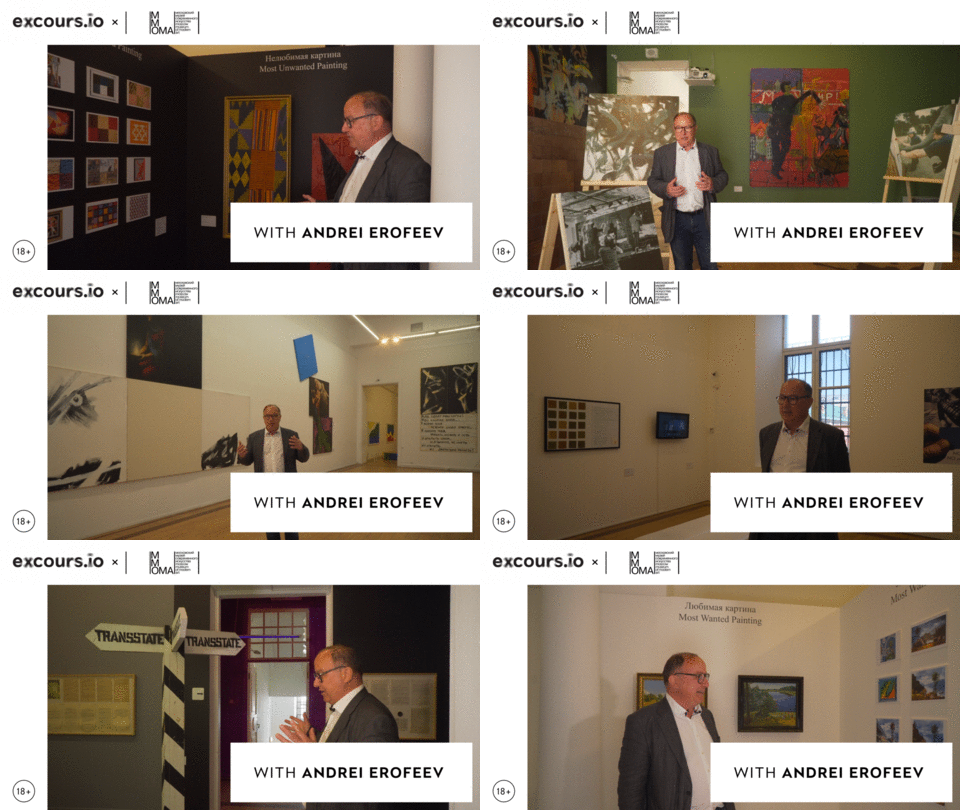
KOMAR & MELAMID delves into the fusion of art and ideology, spotlighting the pioneering duo known for their satirical takes on Soviet culture. This exhibition showcases their innovative approach to ‘Sots Art,’ a movement that critiques the socialist aesthetic while playfully engaging with the political and commercial landscapes of the 20th century. Through a diverse array of works, including paintings, installations, and conceptual pieces, Komar and Melamid invite viewers to reconsider the purpose and function of art in society. Their collaboration challenges traditional boundaries, marrying humor with profound sociopolitical commentary—a must-see for anyone interested in contemporary art’s dialogue with history and culture.
Why should you watch this?
This exhibition represents the place where art meets incisive commentary on society and culture. This dynamic duo takes you on a journey through the playful yet poignant realm of Sots Art, characterized by a mix of humor and critique. Their works challenges normative ideals and question the role of art under Soviet influence, making it both a historical exploration and a contemporary dialogue. By engaging with their art, you’ll uncover layers of meaning about ideological constructs, consumerism, and identity. It’s a unique opportunity to reflect on how these themes continue to resonate today. Experience firsthand how Komar and Melamid’s innovative spirit invites a critical look at the world around us — ensuring you walk away with new insights and a deeper appreciation for the complexities of art.
Revolved Revolutions. On the Occasion of Centenary of the Great October Socialist Revolution
Russia
Moscow
2017
47
Why should you watch this?
Only by faith! On the occasion of the 500th Anniversary of the Reformation
Russia
Saint Petersburg
2017
62
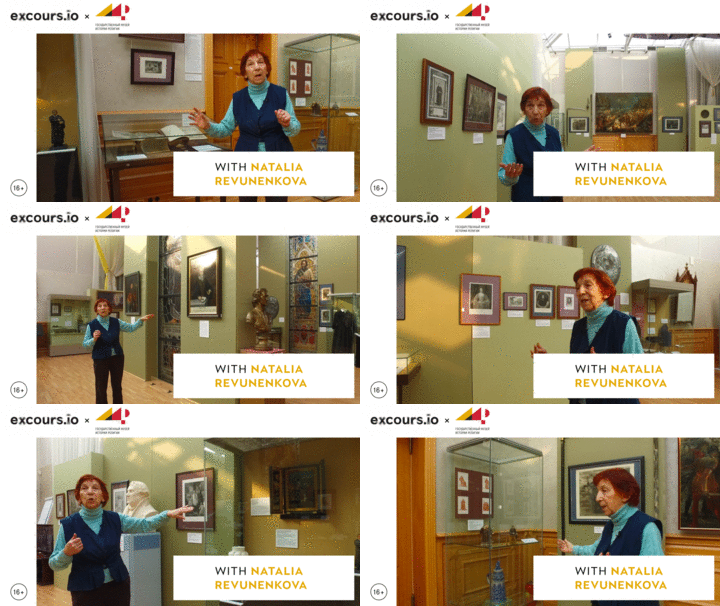
Unveiling the transformative journey of Protestantism, this exhibition showcases around 150 artifacts from the State Museum of the History of Religion, bringing to life the pivotal moments and influential figures, such as Martin Luther, that shaped this movement. Spanning from the 16th century to the present, it delves into the synergy between religion and culture, revealing how Protestant ideals influenced art, literature, and social change. This rich array of historical items not only contextualizes the theological underpinnings of the Reformation but also illustrates its enduring legacy in contemporary society. It is an enlightening exploration that challenges the boundaries between faith and creativity, inviting visitors to reflect on the profound impact of Protestantism on our world today.
Why should you watch this?
In today’s context, this exhibition on Protestantism serves as a crucial reflection on the enduring influence of religion in shaping contemporary values, culture, and identity. As society navigates complex discussions around faith, freedom of expression, and social justice, the historical insights revealed through artifacts and narratives from the Protestant Reformation prompt us to consider how these early movements laid the groundwork for modern thought and civil rights. By revisiting the struggles and triumphs of figures like Martin Luther, we gain a deeper understanding of the ideological battles that resonate in current debates about religious tolerance, individualism, and community life. This exploration invites us to connect the past to the present, encouraging critical dialogue on the role of faith in our increasingly pluralistic world.
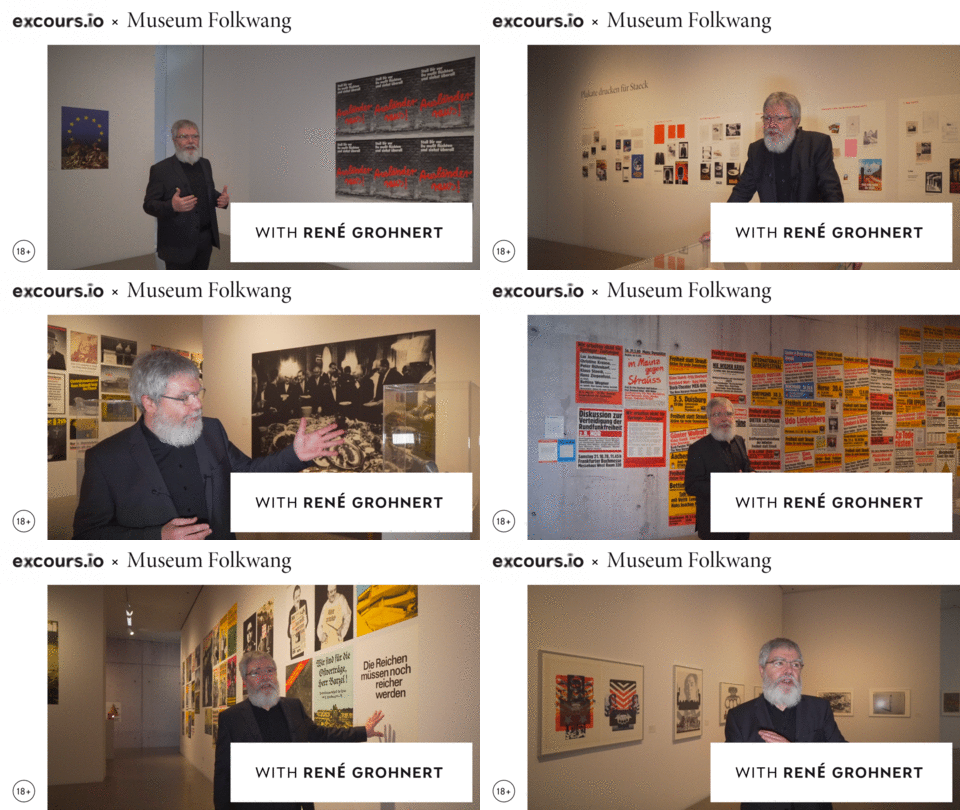
Klaus Staeck. Sand for the Gears
Germany
Essen
2018
55
Why should you watch this?
Klaus Staeck’s exhibition resonates deeply with contemporary audiences, serving as a powerful reminder of art’s capacity to provoke thought and inspire social change. In an age marked by political polarization and social unrest, Staeck’s nearly 180 posters challenge us to confront uncomfortable truths and reflect on the role of dissent in shaping public discourse. His bold, often scandalous imagery speaks to the importance of artists as catalysts for conversation, urging society to engage with pressing issues such as inequality, identity, and civic responsibility. As we navigate our own crises today, Staeck’s work underscores the timeless relevance of art as a tool for advocacy and a vehicle for sparking new dialogues. This exhibition not only honors a pivotal figure in art history but also invites us to consider how we, too, can use creativity to effect change in our communities.