

Hanbok, Poetics of Line and the Passage of Life
 Canada
 Ottawa
 2021
2021
 19
19
The exhibition Hanbok, Poetics of Line and the Passage of Life presents the story of traditional Korean attire, tracing its cultural significance and transformation through time. With a basic style originating in the Three Kingdoms period (37 BCE – 668 CE), the Hanbok shown primarily reflects that of the Joseon dynasty (1392 – 1910). The exhibition explores how this clothing embodies Korean ancestral values, worldview, and reverence for nature through its use in life’s milestone ceremonies and its symbolic colours derived from Yin-Yang theory. Curated by EuiJung McGillis, the presentation showcases items from a baby’s first birthday dress to royal robes, alongside modern reinterpretations by early twentieth-century shinyeoseong (new women). Visitors will discover Hanbok as a transmitter of tradition and a dynamic symbol of Korean identity in a global context.
Why should you watch this?
Hanbok, Poetics of Line and the Passage of Life resonates today because it frames clothing as both a vessel of memory and a mirror of change. The exhibition’s display of the Obangjang durumagi, alive with five elemental colors, reminds us of humanity’s search for balance with nature at a time when sustainability is a global concern. Equally striking are the “new women” who reshaped Hanbok to claim individuality during Korea’s modernization — a gesture that still feels bold and liberating. This exhibition shows that tradition is not fixed but evolving, offering viewers a timeless reflection on identity, resilience, and creativity.

Whispers of the Forest
Canada
Ottawa
2025
8
The exhibition Whispers of the Forest presents a playful, interactive world where contemporary Korean art explores themes of nature, community, and coexistence. This immersive installation, designed especially for children and families, addresses pressing modern issues like rapid urban development, environmental loss, and displacement. The gallery becomes a forest playground featuring works by artists Um A Long, who creates sculptures from discarded materials, and Haksoon Hong, who brings his vibrant Wink Tokki World to life through murals and animations. Visitors are encouraged to engage directly with the art, moving beyond passive viewing to reflect on sustainability and our relationships with others. The experience prompts us to imagine a future where all beings can live and grow together in harmony.
Why should you watch this?
The film Whispers of the Forest asks what it means to share a world at a moment when climate change and rapid urban growth unsettle familiar ways of living. Um A Long’s sculptures, shaped from discarded materials, echo the resilience of creatures adapting to damaged environments, while Haksoon Hong’s Wink Tokki characters invite us into a universe where play and friendship make coexistence possible. Together, these voices create a mood that shifts between unease and delight, reminding us that survival and joy are intertwined. The film ultimately leaves viewers with a simple yet urgent question: how do we choose to live together?
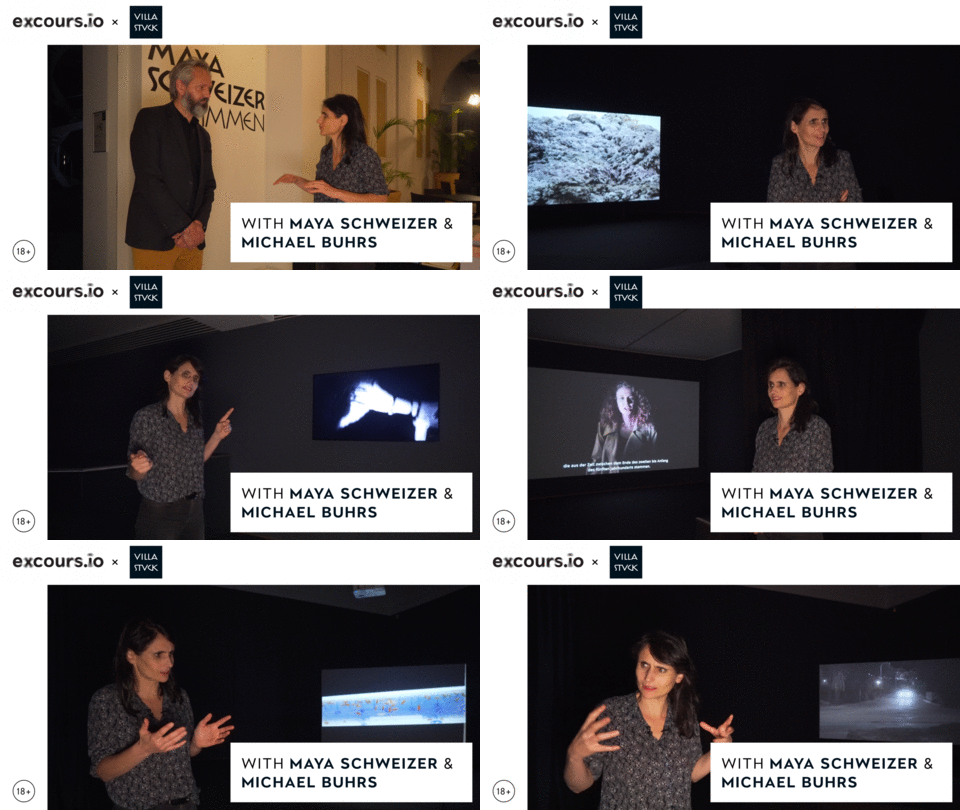
Maya Schweizer – Voices
Germany
Munich
2020
43
Human perception of time often resembles a collage — fragmented and layered, shaped by memory and experience. Berlin-based artist Maya Schweizer captures this complexity through her unique language of short film. In her work, everyday spaces become carriers of memory, interweaving found footage, situational observations, and soundscapes to create immersive, multifaceted narratives. Schweizer’s art subtly explores the intricacies of cultural identity and the role individuals play as political actors, encouraging deeper reflection on how we engage with our surroundings and their embedded histories. In her solo exhibition Stimmen (Voices) at the Museum Villa Stuck, composed of 10 films spanning the past 14 years, Schweizer gives voice to those who have disappeared, recounting stories of violence, memory, and loss, particularly within the context of German history and Munich’s past. By blending personal and collective histories, her work oscillates between documentation and staged reality, using urban spaces as laboratories for examining overlapping historical layers. As viewers dive into the culture of remembrance, Schweizer uncovers new and often unsettling depths of human memory, sparking a reflection on the invisible ties between people, places, and their histories.
Why should you watch this?
CLUBS of the FUTURE. Common Spaces in Transitional Societies
Germany
Berlin
2024
54
Why should you watch this?
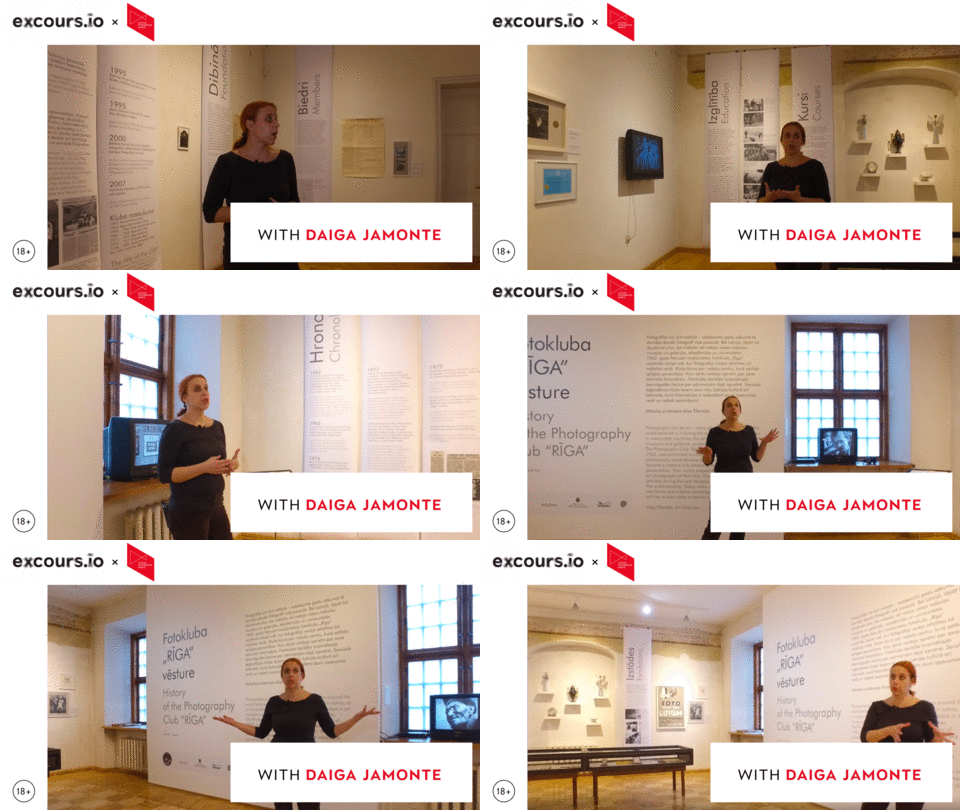
History of the Photo Club “Riga”
Latvia
Riga
2017
45
Why should you watch this?
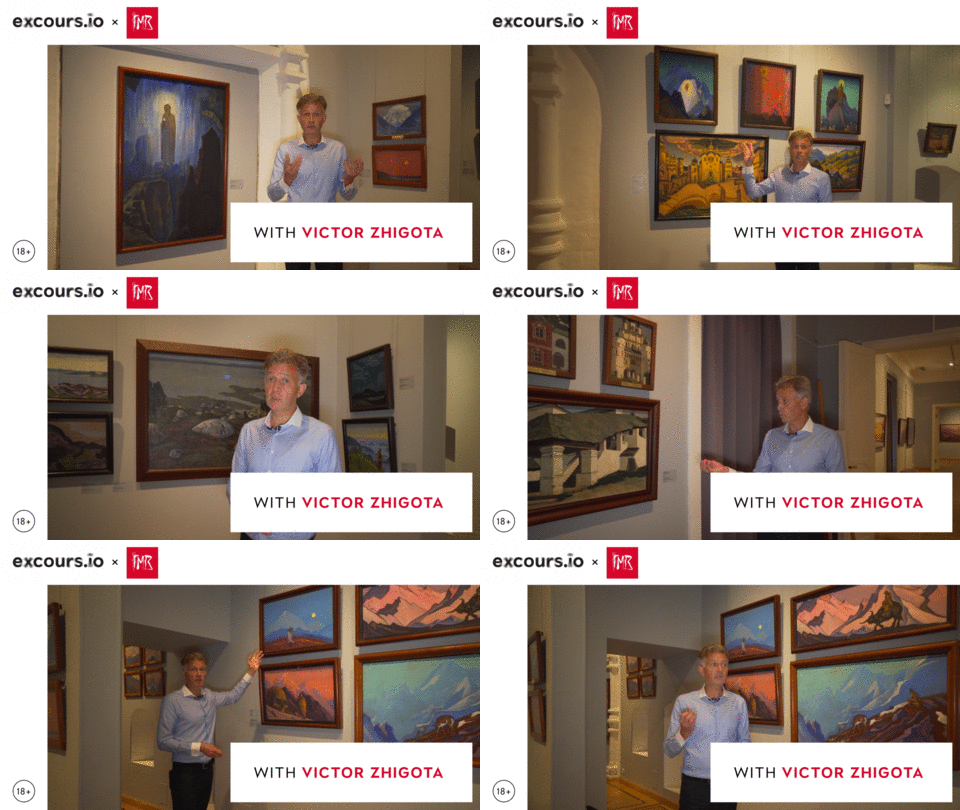
Nicholas Roerich. Sanctuaries and Citadels
Russia
Moscow
2018
108
N.K. Roerich’s exhibition unveils over 80 captivating works inspired by his 1925 Central Asian expedition. With an extraordinary blend of majestic mountain landscapes, Buddhist monasteries, and formidable fortresses, Roerich crafts a compelling narrative of heroism and spiritual pursuit that transcends cultural boundaries. His pieces celebrate the sacredness of labor and the enduring human spirit, evoking a universal call to courage and resilience. Roerich’s unique style, characterized by what can be termed “epic realism,” draws upon his deep understanding of history, folklore, and religious traditions.
Why should you watch this?
N.K. Roerich’s “Shrines and Strongholds” resonates powerfully in today’s world, where themes of resilience, spirituality, and cultural identity are increasingly vital. As modern society redefines spirituality Roerich’s exploration of heroism and the sacred nature of labor offers a poignant reflection on the indomitable human spirit that transcends boundaries of faith and nationality. His majestic depictions of mountain landscapes and spiritual sites serve as symbols of hope, encouraging us to aspire for personal and collective growth. Roerich’s emphasis on courage and the potential for spiritual feats invites contemporary audiences to recognize the shared human experience and the transformative power of art as a catalyst for understanding. The exhibition not only honors Roerich’s legacy but also inspires a renewed dialogue about courage, identity, and our interconnectedness in the global narrative.
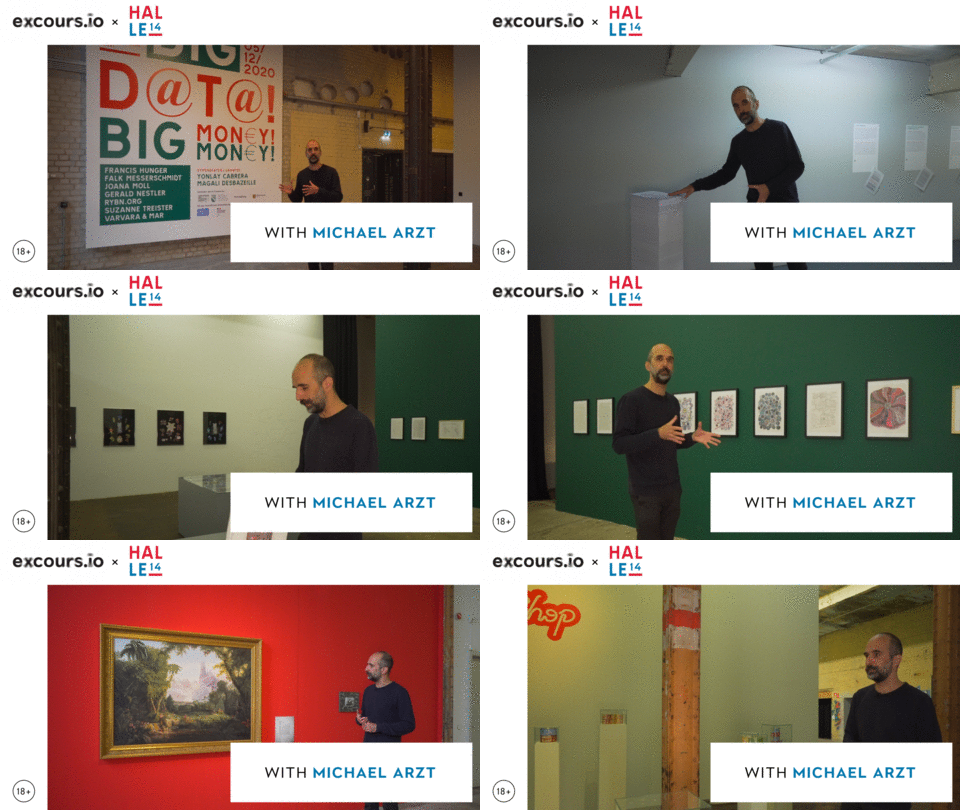
BIG D@T@! BIG MON€Y!
Germany
Leipzig
2020
55
BIG D@T@! BIG MON€Y! is a bold, thought-provoking exhibition that explores the intersection of data, finance, and digitalization. Featuring seven artists and collectives, the works explore how our everyday digital footprints and the rise of cryptocurrencies are reshaping economies, identities, and power structures. Through projects like a speculative trading AI, a data-driven remake of classic art, and an analysis of the hidden infrastructure behind Amazon transactions, the exhibition sheds light on the often-invisible forces governing our digital lives. In an era of increasing surveillance and technological control, the exhibition raises critical questions about freedom, privacy, and the future of society.
Why should you watch this?
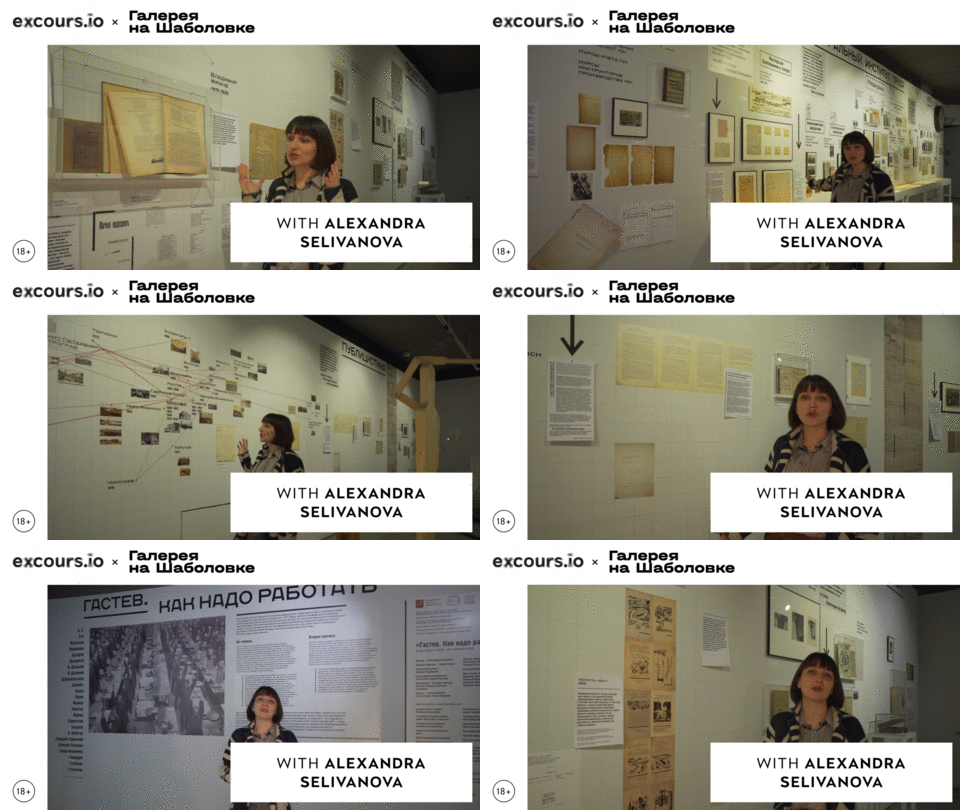
GASTEV. How to Work
Russia
Moscow
2019
66
Why should you watch this?
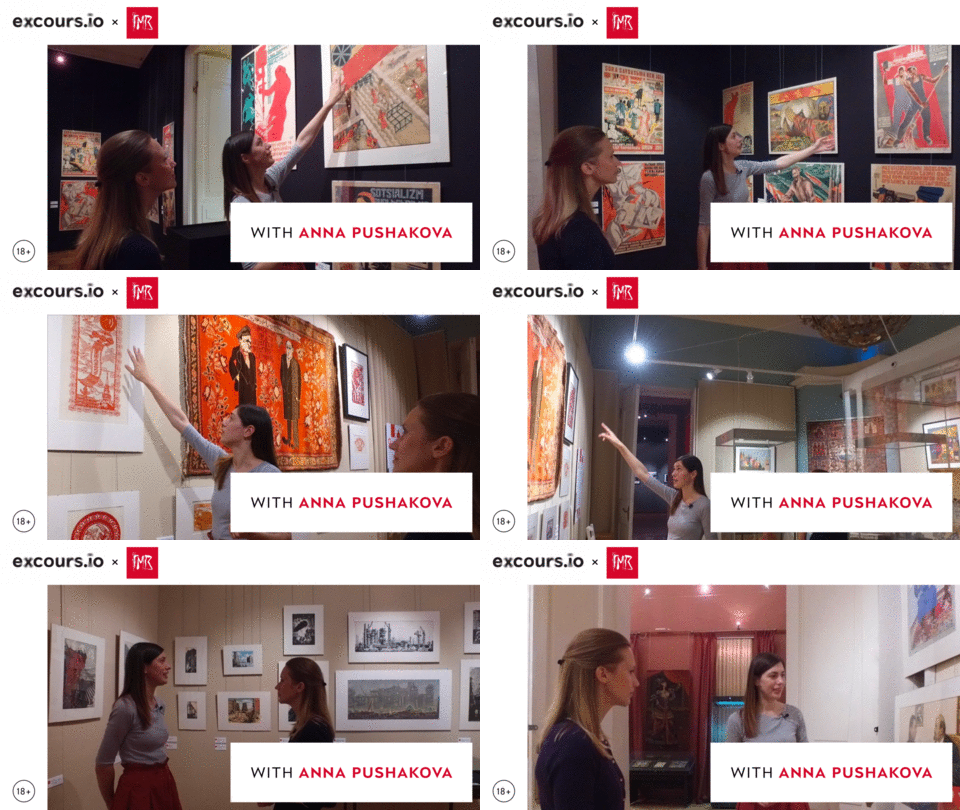
Revolved Revolutions. On the Occasion of Centenary of the Great October Socialist Revolution
Russia
Moscow
2017
47