
Mr. Yokoo’s Palette
 Japan
Japan
 Kobe
Kobe
 2022
2022
 19
19
Mr. Yokoo’s Palette showcases artist Yokoo Tadanori’s striking use of color, tracing his vibrant painting career since his “painter’s declaration” in the early 1980s. This pivotal moment marked his shift from graphic design to a prolific period of pictorial experiments, creating diverse works without fixed subjects or styles. The exhibition uniquely reorganizes his artistic world by categorizing paintings from series like Pink Girl and Y-junction based on their dominant hues, transforming the museum galleries into a grand palette. Visitors will discover background materials, including actual used palettes and paints from his studio, offering a glimpse into his creative process. This presentation invites reflection on the overwhelming power of Yokoo’s colors and how a singular artistic element can define an entire body of work, offering a fresh perspective on his timeless vision.
Why should you watch this?
Forward to the Past: Yokoo Tadanori’s Road to Hanshan and Shide
Japan
Kobe
2022
17
The exhibition Forward to the Past: Yokoo Tadanori’s Road to Hanshan and Shide presents artist Yokoo Tadanori’s compelling new paintings, inspired by the Tang-dynasty (618-907 CE) Zen monks Hanshan and Shide, alongside key works from his extensive artistic journey. Responding to the profound global shifts beginning in 2020, Yokoo retreated to his studio, developing his “moro-tai” (obscure style) to portray Hanshan and Shide, celebrated for their tousled hair, ragged clothes, and hearty laughter. This collection reveals how an artist’s personal introspection during times of societal change can lead to an unexpected connection with historical figures and artistic renewal, inviting visitors to consider the enduring power of creative resilience across ages.
Why should you watch this?
Yokoo Tadanori’s Haunted Museum
Japan
Kobe
2021
13
Yokoo Tadanori’s Haunted Museum presents a compelling exploration of the intrinsic connection between art and fear, featuring a diverse range of the artist’s works. Yokoo Tadanori has consistently pursued phenomena that remain invisible or unexplainable by science, a fascination rooted in his childhood experiences with profound darkness and mystical encounters in Nishiwaki. This deeply personal history informs much of his art, from his celebrated illustrations for the Complete Works of Edogawa Rampo to his paintings created since his “painter’s declaration.” The exhibition, designed with deliberately darkened spaces, encourages visitors to engage with their own ambivalent emotions of wanting to look yet fearing the unknown. It highlights art’s enduring capacity to interpret and express humanity’s primal responses to mystery and the unseen, fostering a reflection on these universal aspects of human existence.
Why should you watch this?
Curators in Panic
Japan
Kobe
2021
21
The exhibition Curators in Panic addresses the unpredictable realities of operating a contemporary art museum, presenting unique works by artist Yokoo Tadanori, who has continuously redefined painting since the 1980s. Rooted in the early 2020s — a period marked by the coronavirus crisis and logistical demands from the large-scale retrospective Genkyo Yokoo Tadanori — this show responds directly to the sudden absence of major holdings and the challenges of museum governance. Three participating curators, deeply familiar with the collection, selected their personal favorites not included in the tour, highlighting the profound existence of the artist’s full creative output. This perspective reflects the confusion of managing a cultural facility during a state of emergency. By adopting the curators’ viewpoint, visitors gain an opportunity to freely enjoy the viewing experience and rediscover the rich, constantly changing creative world of Yokoo Tadanori.
Why should you watch this?
Curators in Panic speaks directly to the uncertainties of our present, when cultural institutions and everyday life alike are shaped by disruption and absence. The film captures the uneasy humor of curators calling their own exhibition a “state of emergency,” a phrase that resonates far beyond the museum walls in a world still negotiating the aftershocks of the coronavirus crisis. Their candid voices, recounting both discoveries and setbacks, turn curatorial practice into a deeply human story of resilience and adaptation. Viewers are left with a striking reminder that art, even when interrupted or displaced, continues to create meaning and connection.
Yokoo Tadanori Collection Gallery 2021
Japan
Kobe
2021
13
The Yokoo Tadanori Collection Gallery presents a comprehensive view of the artistic world and deep influences shaping the practice of Japanese artist Yokoo Tadanori. This permanent space, established in 2021 within the Yokoo Tadanori Museum of Contemporary Art in Hyogo Prefecture, Japan, displays his original drawings, color proofs, and project designs. The collection offers insight into the cultural and historical contexts that fed Yokoo’s aesthetic, illuminating the wider network of artistic references he engaged with. Visitors can study archive materials and works by figures he admired, such as Francis Picabia and Giorgio de Chirico, revealing the sources that informed his output. The gallery ultimately encourages visitors to recognize the enduring dialogue between personal vision and international creative lineage that defines lasting contemporary art.
Why should you watch this?
The Yokoo Tadanori Collection Gallery reveals the surprising connections between Yokoo’s imaginative designs and the works of artists he admired, such as Picabia and de Chirico, showing how ideas travel across time and place. Scenes capturing his bold color proofs alongside delicate sketches create moments of both delight and contemplation, exposing the processes behind visual invention. By following the intersections of personal creativity and broader artistic currents, the film invites viewers to experience the thrill of discovery and recognize how enduring inspiration emerges from unexpected juxtapositions, offering a vivid reminder of the vitality of art across generations.
Eloquent Simplicity in Wood and Fiber
Philippines
Makati
2012
13
Eloquent Simplicity in Wood and Fiber is an exhibition exploring the versatility of natural materials, presenting sculptural forms and functional objects that blend traditional expression with contemporary design. The display defines the distinct aesthetic sensibilities of the Cordillera Mountain groups, including the Ifugao and Kalinga, who have long used wood and fiber to create objects for both utilitarian and ritual purposes. Juxtaposed against these traditional items, the exhibition features contemporary works by notable voices like National Artist Napoleon Abueva and designer Claude Tayag, who utilize Philippine hardwoods such as narra and molave. Addressing the modern scarcity of natural resources, the project highlights how artists continue to create meaningful, practical objects. This presentation encourages visitors to appreciate the enduring beauty, tactile quality, and profound functionality inherent in the world’s simplest materials.
Why should you watch this?
Abdellatif Laâbi: A Poet Passes Through
Morocco
Rabat
2024
11
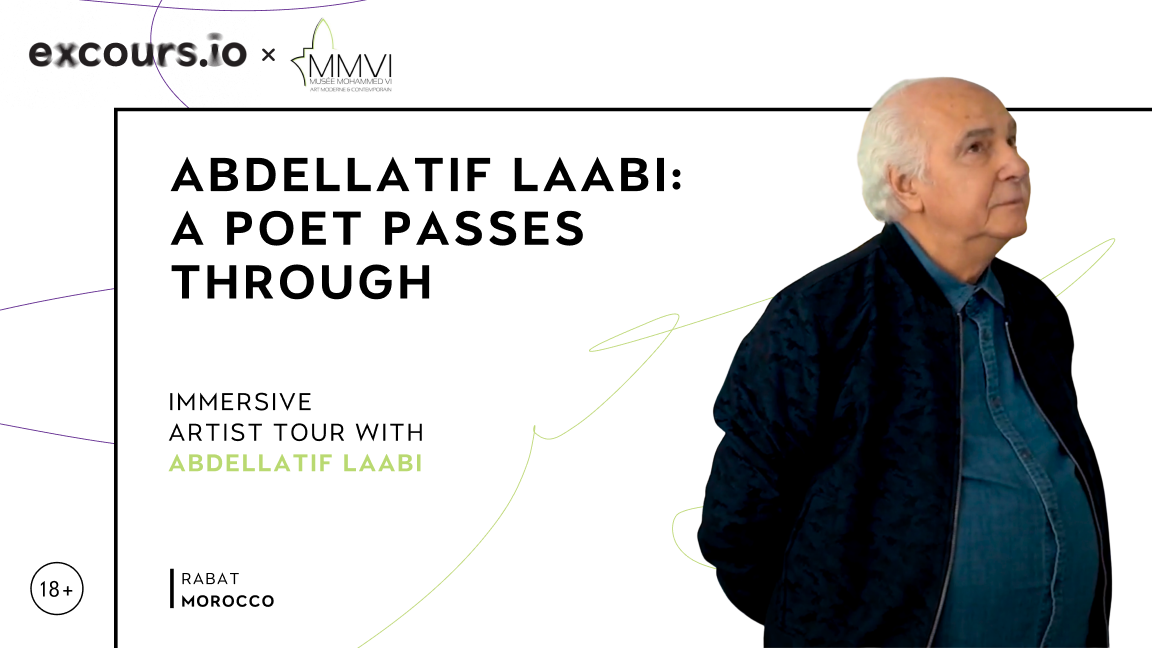
A Poet Passes Through celebrates the expansive world of Abdellatif Laâbi, the Moroccan writer, poet, and painter, at the Mohammed VI Museum in Rabat. This exhibition explores Laâbi’s rich and engaged body of work, presenting him as a voice for a generation seeking meaning through art. It unveils the creative spirit of an era, featuring literary works, archival documents, paintings, and videos that trace his journey and reveal his less-known facet as a painter. A significant focus is the groundbreaking Souffles review, co-founded by Laâbi, which profoundly transformed Moroccan culture and liberated minds. Visitors will discover how one artist’s vision and intellectual struggle historically shaped artistic expression and continue to resonate today, offering a unique insight into a life dedicated to creative impact.
Why should you watch this?
A Poet Passes Through speaks directly to questions of voice, memory, and cultural freedom. Abdellatif Laâbi’s journey — from the radical energy of Souffles to the intimacy of his paintings — shows how words and images can both confront oppression and nurture renewal. The exhibition reveals the texture of a life lived in dialogue with history, where poetry became protest and later painting carried a quieter, but no less powerful, resonance. To watch it is to sense how one artist’s struggle for expression connects with ongoing searches for dignity and meaning, making Laâbi’s work as urgent as it is timeless.
Hanbok, Poetics of Line and the Passage of Life
Canada
Ottawa
2021
19
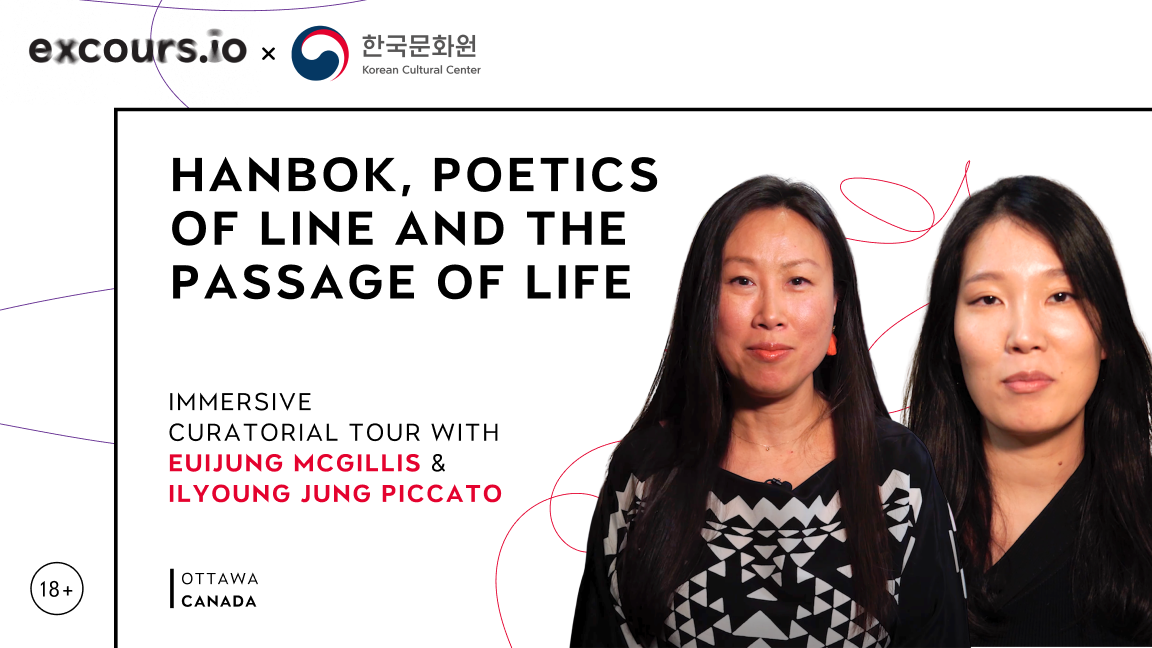
The exhibition Hanbok, Poetics of Line and the Passage of Life presents the story of traditional Korean attire, tracing its cultural significance and transformation through time. With a basic style originating in the Three Kingdoms period (37 BCE – 668 CE), the Hanbok shown primarily reflects that of the Joseon dynasty (1392 – 1910). The exhibition explores how this clothing embodies Korean ancestral values, worldview, and reverence for nature through its use in life’s milestone ceremonies and its symbolic colours derived from Yin-Yang theory. Curated by EuiJung McGillis, the presentation showcases items from a baby’s first birthday dress to royal robes, alongside modern reinterpretations by early twentieth-century shinyeoseong (new women). Visitors will discover Hanbok as a transmitter of tradition and a dynamic symbol of Korean identity in a global context.
Why should you watch this?
Hanbok, Poetics of Line and the Passage of Life resonates today because it frames clothing as both a vessel of memory and a mirror of change. The exhibition’s display of the Obangjang durumagi, alive with five elemental colors, reminds us of humanity’s search for balance with nature at a time when sustainability is a global concern. Equally striking are the “new women” who reshaped Hanbok to claim individuality during Korea’s modernization — a gesture that still feels bold and liberating. This exhibition shows that tradition is not fixed but evolving, offering viewers a timeless reflection on identity, resilience, and creativity.
Actually, the Dead Are Not Dead. Una forma de ser. | Introduction
Germany
Stuttgart
2020
The exhibition explores the interplay between celebration and political expression, rooted in the context of marginalized communities. Drawing inspiration from the Bergen Assembly 2019, this exhibition examines how festivities serve as platforms for social emancipation and self-determination, particularly within the Rom*nja, Flamenco, and Bohemian cultures since the 19th century. By interweaving historical and contemporary works, the exhibition highlights the transformative power of communal gatherings, where joy, rebellion, and artistic innovation intertwine. Una forma de ser invites visitors to reflect on the significance of togetherness, creativity, and resilience in the face of adversity.