
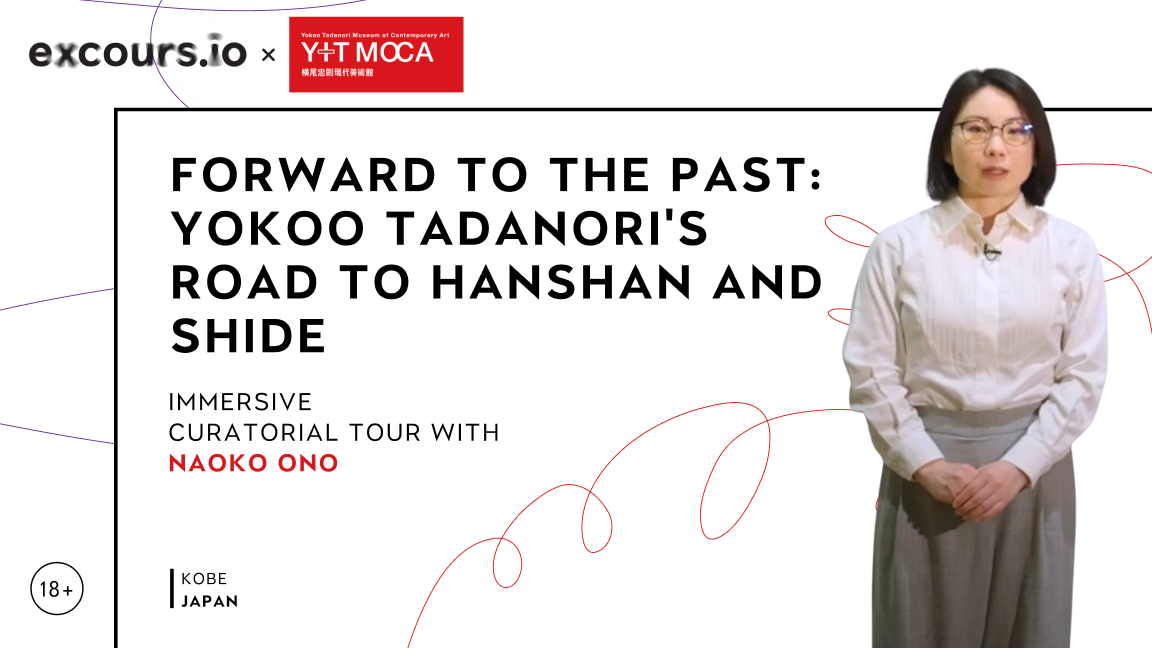
Forward to the Past: Yokoo Tadanori’s Road to Hanshan and Shide
 Japan
Japan
 Kobe
Kobe
 2022
2022
 17
17
The exhibition Forward to the Past: Yokoo Tadanori’s Road to Hanshan and Shide presents artist Yokoo Tadanori’s compelling new paintings, inspired by the Tang-dynasty (618-907 CE) Zen monks Hanshan and Shide, alongside key works from his extensive artistic journey. Responding to the profound global shifts beginning in 2020, Yokoo retreated to his studio, developing his “moro-tai” (obscure style) to portray Hanshan and Shide, celebrated for their tousled hair, ragged clothes, and hearty laughter. This collection reveals how an artist’s personal introspection during times of societal change can lead to an unexpected connection with historical figures and artistic renewal, inviting visitors to consider the enduring power of creative resilience across ages.
Why should you watch this?
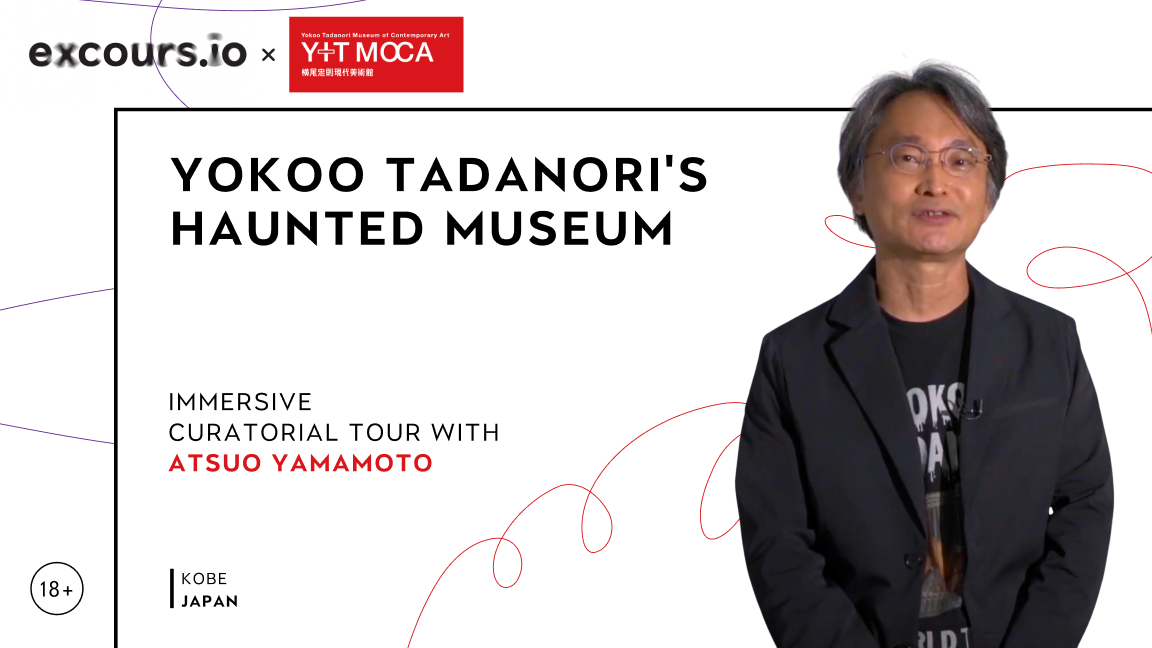
Yokoo Tadanori’s Haunted Museum
Japan
Kobe
2021
13
Yokoo Tadanori’s Haunted Museum presents a compelling exploration of the intrinsic connection between art and fear, featuring a diverse range of the artist’s works. Yokoo Tadanori has consistently pursued phenomena that remain invisible or unexplainable by science, a fascination rooted in his childhood experiences with profound darkness and mystical encounters in Nishiwaki. This deeply personal history informs much of his art, from his celebrated illustrations for the Complete Works of Edogawa Rampo to his paintings created since his “painter’s declaration.” The exhibition, designed with deliberately darkened spaces, encourages visitors to engage with their own ambivalent emotions of wanting to look yet fearing the unknown. It highlights art’s enduring capacity to interpret and express humanity’s primal responses to mystery and the unseen, fostering a reflection on these universal aspects of human existence.
Why should you watch this?
Curators in Panic
Japan
Kobe
2021
21
The exhibition Curators in Panic addresses the unpredictable realities of operating a contemporary art museum, presenting unique works by artist Yokoo Tadanori, who has continuously redefined painting since the 1980s. Rooted in the early 2020s — a period marked by the coronavirus crisis and logistical demands from the large-scale retrospective Genkyo Yokoo Tadanori — this show responds directly to the sudden absence of major holdings and the challenges of museum governance. Three participating curators, deeply familiar with the collection, selected their personal favorites not included in the tour, highlighting the profound existence of the artist’s full creative output. This perspective reflects the confusion of managing a cultural facility during a state of emergency. By adopting the curators’ viewpoint, visitors gain an opportunity to freely enjoy the viewing experience and rediscover the rich, constantly changing creative world of Yokoo Tadanori.
Why should you watch this?
Curators in Panic speaks directly to the uncertainties of our present, when cultural institutions and everyday life alike are shaped by disruption and absence. The film captures the uneasy humor of curators calling their own exhibition a “state of emergency,” a phrase that resonates far beyond the museum walls in a world still negotiating the aftershocks of the coronavirus crisis. Their candid voices, recounting both discoveries and setbacks, turn curatorial practice into a deeply human story of resilience and adaptation. Viewers are left with a striking reminder that art, even when interrupted or displaced, continues to create meaning and connection.
Yokoo Tadanori Collection Gallery 2021
Japan
Kobe
2021
13
The Yokoo Tadanori Collection Gallery presents a comprehensive view of the artistic world and deep influences shaping the practice of Japanese artist Yokoo Tadanori. This permanent space, established in 2021 within the Yokoo Tadanori Museum of Contemporary Art in Hyogo Prefecture, Japan, displays his original drawings, color proofs, and project designs. The collection offers insight into the cultural and historical contexts that fed Yokoo’s aesthetic, illuminating the wider network of artistic references he engaged with. Visitors can study archive materials and works by figures he admired, such as Francis Picabia and Giorgio de Chirico, revealing the sources that informed his output. The gallery ultimately encourages visitors to recognize the enduring dialogue between personal vision and international creative lineage that defines lasting contemporary art.
Why should you watch this?
The Yokoo Tadanori Collection Gallery reveals the surprising connections between Yokoo’s imaginative designs and the works of artists he admired, such as Picabia and de Chirico, showing how ideas travel across time and place. Scenes capturing his bold color proofs alongside delicate sketches create moments of both delight and contemplation, exposing the processes behind visual invention. By following the intersections of personal creativity and broader artistic currents, the film invites viewers to experience the thrill of discovery and recognize how enduring inspiration emerges from unexpected juxtapositions, offering a vivid reminder of the vitality of art across generations.
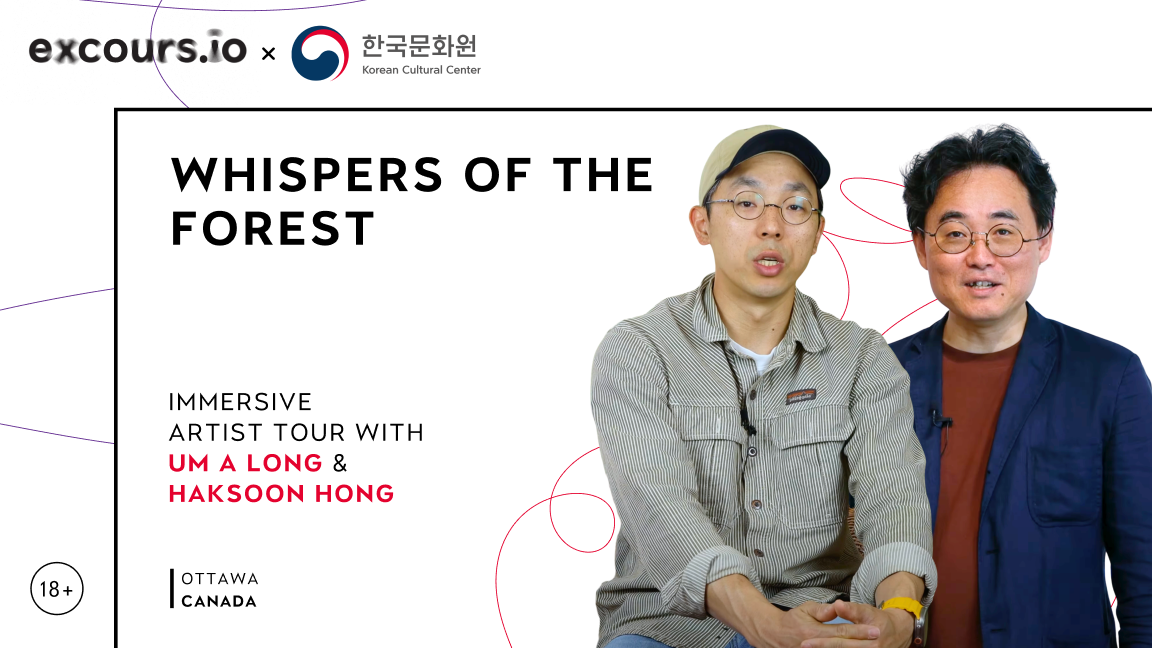
Whispers of the Forest
Canada
Ottawa
2025
8
The exhibition Whispers of the Forest presents a playful, interactive world where contemporary Korean art explores themes of nature, community, and coexistence. This immersive installation, designed especially for children and families, addresses pressing modern issues like rapid urban development, environmental loss, and displacement. The gallery becomes a forest playground featuring works by artists Um A Long, who creates sculptures from discarded materials, and Haksoon Hong, who brings his vibrant Wink Tokki World to life through murals and animations. Visitors are encouraged to engage directly with the art, moving beyond passive viewing to reflect on sustainability and our relationships with others. The experience prompts us to imagine a future where all beings can live and grow together in harmony.
Why should you watch this?
The film Whispers of the Forest asks what it means to share a world at a moment when climate change and rapid urban growth unsettle familiar ways of living. Um A Long’s sculptures, shaped from discarded materials, echo the resilience of creatures adapting to damaged environments, while Haksoon Hong’s Wink Tokki characters invite us into a universe where play and friendship make coexistence possible. Together, these voices create a mood that shifts between unease and delight, reminding us that survival and joy are intertwined. The film ultimately leaves viewers with a simple yet urgent question: how do we choose to live together?
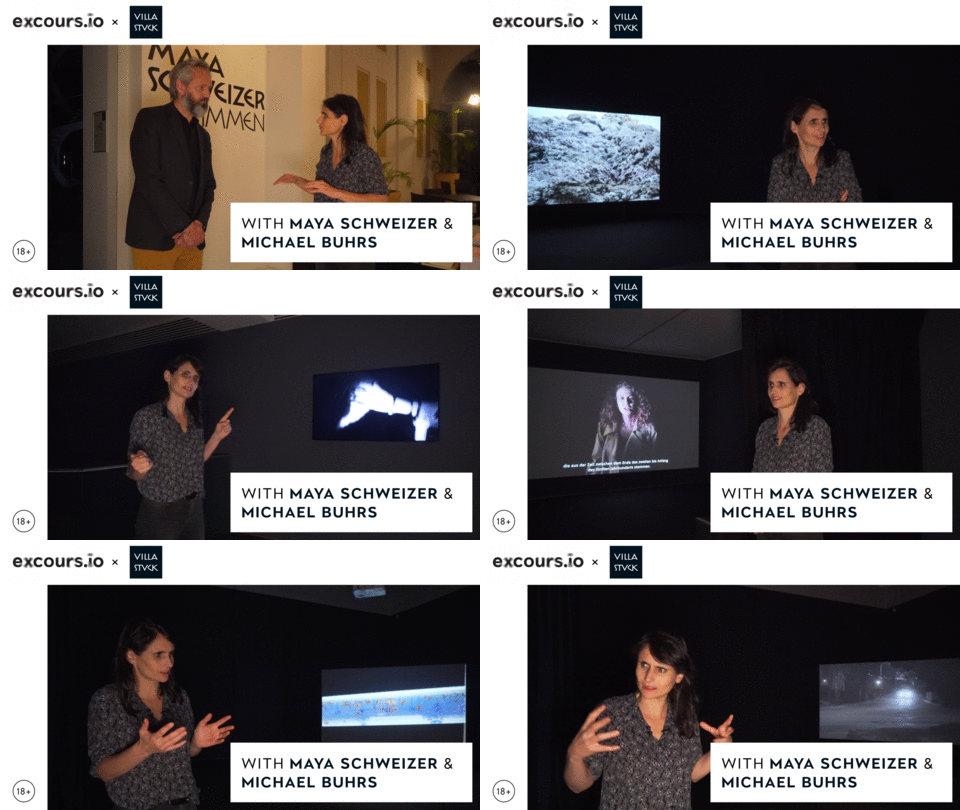
Maya Schweizer – Voices
Germany
Munich
2020
43
Human perception of time often resembles a collage — fragmented and layered, shaped by memory and experience. Berlin-based artist Maya Schweizer captures this complexity through her unique language of short film. In her work, everyday spaces become carriers of memory, interweaving found footage, situational observations, and soundscapes to create immersive, multifaceted narratives. Schweizer’s art subtly explores the intricacies of cultural identity and the role individuals play as political actors, encouraging deeper reflection on how we engage with our surroundings and their embedded histories. In her solo exhibition Stimmen (Voices) at the Museum Villa Stuck, composed of 10 films spanning the past 14 years, Schweizer gives voice to those who have disappeared, recounting stories of violence, memory, and loss, particularly within the context of German history and Munich’s past. By blending personal and collective histories, her work oscillates between documentation and staged reality, using urban spaces as laboratories for examining overlapping historical layers. As viewers dive into the culture of remembrance, Schweizer uncovers new and often unsettling depths of human memory, sparking a reflection on the invisible ties between people, places, and their histories.
Why should you watch this?
CLUBS of the FUTURE. Common Spaces in Transitional Societies
Germany
Berlin
2024
54
Why should you watch this?
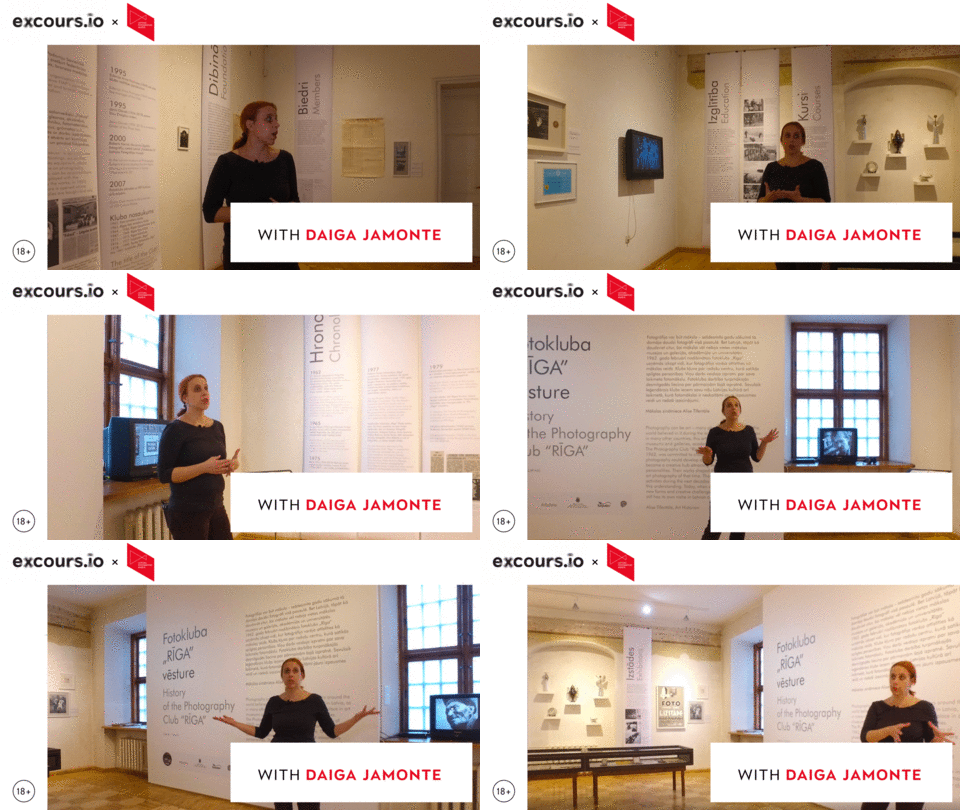
History of the Photo Club “Riga”
Latvia
Riga
2017
45
Why should you watch this?
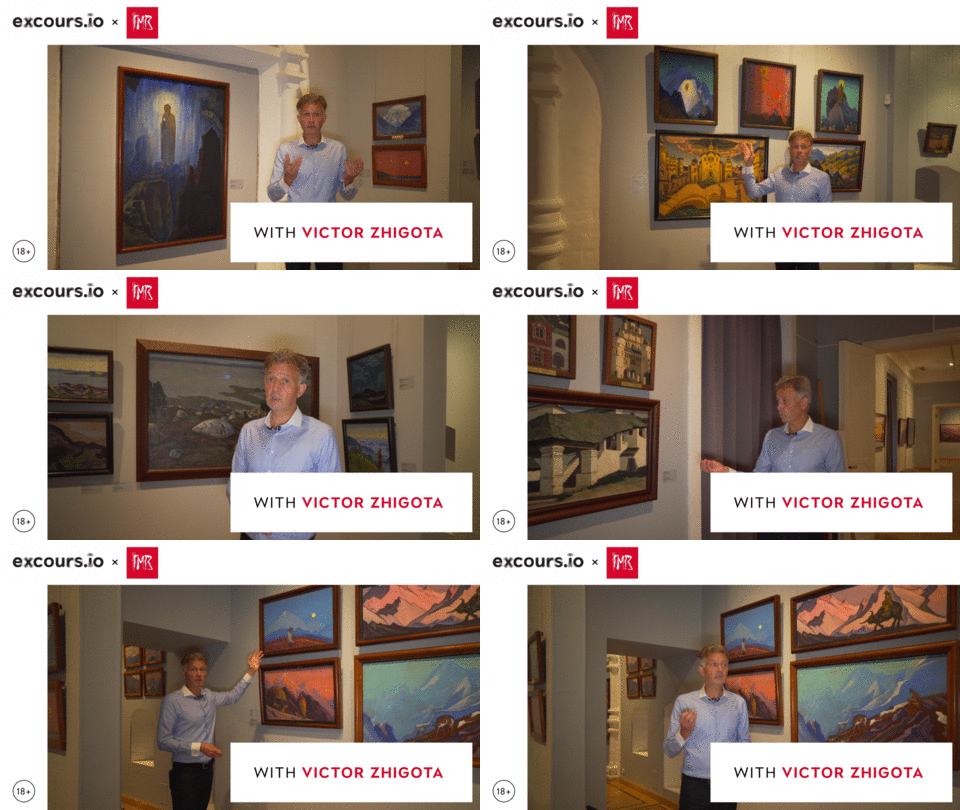
Nicholas Roerich. Sanctuaries and Citadels
Russia
Moscow
2018
108
N.K. Roerich’s exhibition unveils over 80 captivating works inspired by his 1925 Central Asian expedition. With an extraordinary blend of majestic mountain landscapes, Buddhist monasteries, and formidable fortresses, Roerich crafts a compelling narrative of heroism and spiritual pursuit that transcends cultural boundaries. His pieces celebrate the sacredness of labor and the enduring human spirit, evoking a universal call to courage and resilience. Roerich’s unique style, characterized by what can be termed “epic realism,” draws upon his deep understanding of history, folklore, and religious traditions.
Why should you watch this?
N.K. Roerich’s “Shrines and Strongholds” resonates powerfully in today’s world, where themes of resilience, spirituality, and cultural identity are increasingly vital. As modern society redefines spirituality Roerich’s exploration of heroism and the sacred nature of labor offers a poignant reflection on the indomitable human spirit that transcends boundaries of faith and nationality. His majestic depictions of mountain landscapes and spiritual sites serve as symbols of hope, encouraging us to aspire for personal and collective growth. Roerich’s emphasis on courage and the potential for spiritual feats invites contemporary audiences to recognize the shared human experience and the transformative power of art as a catalyst for understanding. The exhibition not only honors Roerich’s legacy but also inspires a renewed dialogue about courage, identity, and our interconnectedness in the global narrative.