
Yokoo Tadanori Collection Gallery 2021
 Japan
Japan
 Kobe
Kobe
 2021
2021
 13
13
The Yokoo Tadanori Collection Gallery presents a comprehensive view of the artistic world and deep influences shaping the practice of Japanese artist Yokoo Tadanori. This permanent space, established in 2021 within the Yokoo Tadanori Museum of Contemporary Art in Hyogo Prefecture, Japan, displays his original drawings, color proofs, and project designs. The collection offers insight into the cultural and historical contexts that fed Yokoo’s aesthetic, illuminating the wider network of artistic references he engaged with. Visitors can study archive materials and works by figures he admired, such as Francis Picabia and Giorgio de Chirico, revealing the sources that informed his output. The gallery ultimately encourages visitors to recognize the enduring dialogue between personal vision and international creative lineage that defines lasting contemporary art.
Why should you watch this?
The Yokoo Tadanori Collection Gallery reveals the surprising connections between Yokoo’s imaginative designs and the works of artists he admired, such as Picabia and de Chirico, showing how ideas travel across time and place. Scenes capturing his bold color proofs alongside delicate sketches create moments of both delight and contemplation, exposing the processes behind visual invention. By following the intersections of personal creativity and broader artistic currents, the film invites viewers to experience the thrill of discovery and recognize how enduring inspiration emerges from unexpected juxtapositions, offering a vivid reminder of the vitality of art across generations.
Eloquent Simplicity in Wood and Fiber
Philippines
Makati
2012
13
Eloquent Simplicity in Wood and Fiber is an exhibition exploring the versatility of natural materials, presenting sculptural forms and functional objects that blend traditional expression with contemporary design. The display defines the distinct aesthetic sensibilities of the Cordillera Mountain groups, including the Ifugao and Kalinga, who have long used wood and fiber to create objects for both utilitarian and ritual purposes. Juxtaposed against these traditional items, the exhibition features contemporary works by notable voices like National Artist Napoleon Abueva and designer Claude Tayag, who utilize Philippine hardwoods such as narra and molave. Addressing the modern scarcity of natural resources, the project highlights how artists continue to create meaningful, practical objects. This presentation encourages visitors to appreciate the enduring beauty, tactile quality, and profound functionality inherent in the world’s simplest materials.
Why should you watch this?
Hanbok, Poetics of Line and the Passage of Life
Canada
Ottawa
2021
19
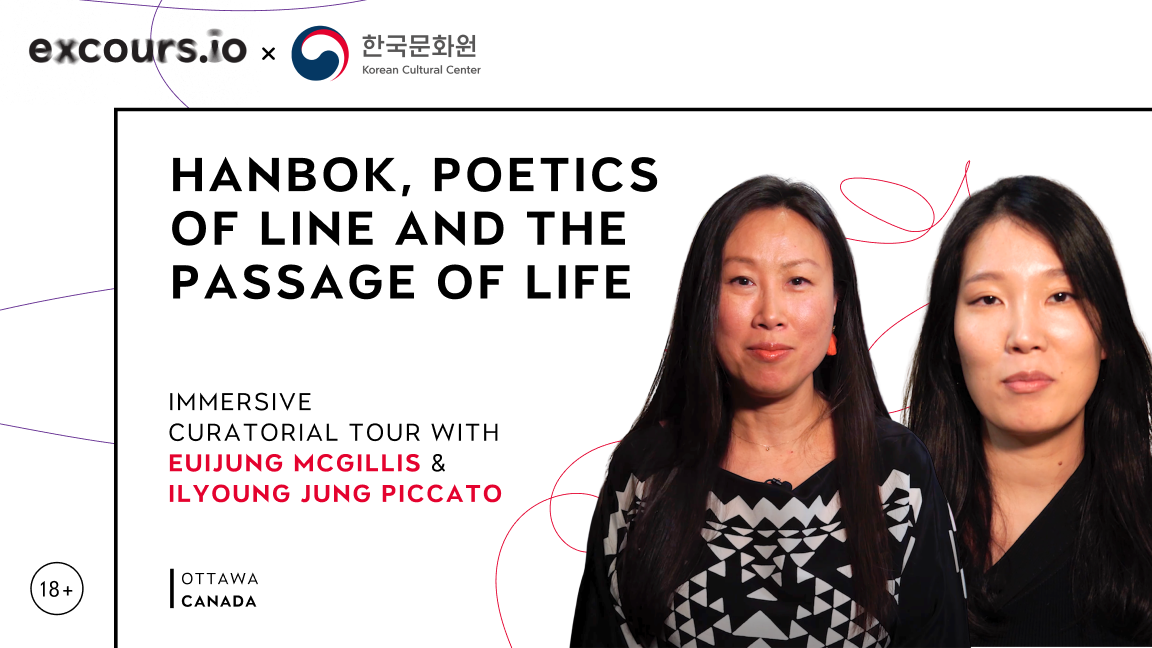
The exhibition Hanbok, Poetics of Line and the Passage of Life presents the story of traditional Korean attire, tracing its cultural significance and transformation through time. With a basic style originating in the Three Kingdoms period (37 BCE – 668 CE), the Hanbok shown primarily reflects that of the Joseon dynasty (1392 – 1910). The exhibition explores how this clothing embodies Korean ancestral values, worldview, and reverence for nature through its use in life’s milestone ceremonies and its symbolic colours derived from Yin-Yang theory. Curated by EuiJung McGillis, the presentation showcases items from a baby’s first birthday dress to royal robes, alongside modern reinterpretations by early twentieth-century shinyeoseong (new women). Visitors will discover Hanbok as a transmitter of tradition and a dynamic symbol of Korean identity in a global context.
Why should you watch this?
Hanbok, Poetics of Line and the Passage of Life resonates today because it frames clothing as both a vessel of memory and a mirror of change. The exhibition’s display of the Obangjang durumagi, alive with five elemental colors, reminds us of humanity’s search for balance with nature at a time when sustainability is a global concern. Equally striking are the “new women” who reshaped Hanbok to claim individuality during Korea’s modernization — a gesture that still feels bold and liberating. This exhibition shows that tradition is not fixed but evolving, offering viewers a timeless reflection on identity, resilience, and creativity.