
Maya Schweizer – Voices
 Germany
 Munich
 2020
2020
 43
43
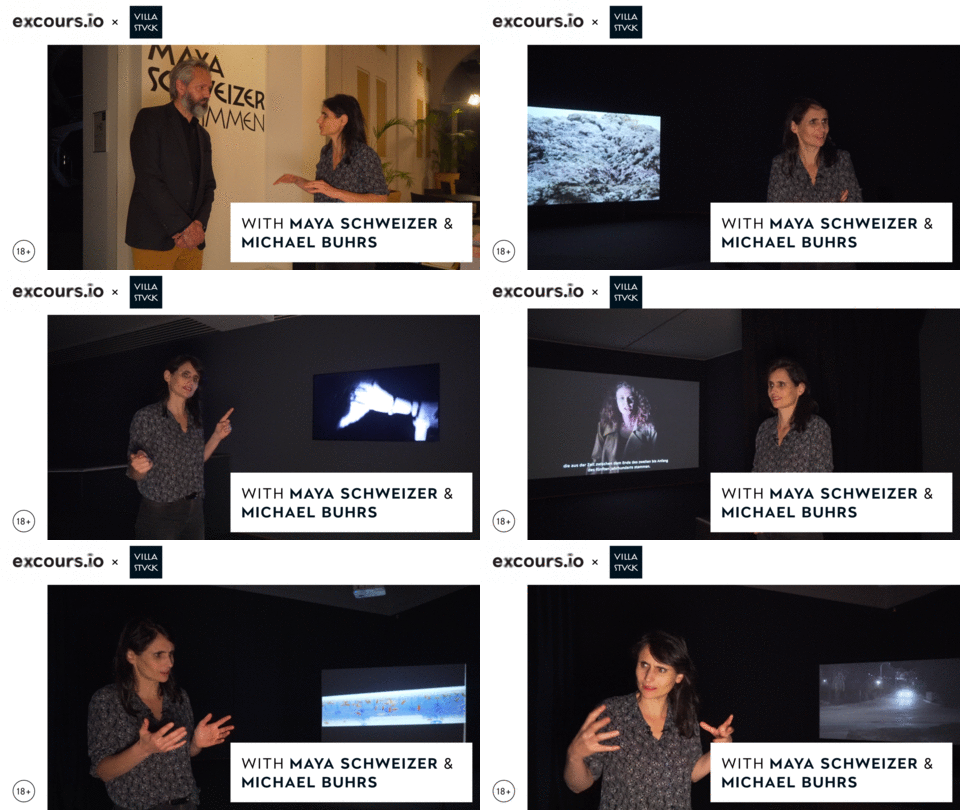
Human perception of time often resembles a collage — fragmented and layered, shaped by memory and experience. Berlin-based artist Maya Schweizer captures this complexity through her unique language of short film. In her work, everyday spaces become carriers of memory, interweaving found footage, situational observations, and soundscapes to create immersive, multifaceted narratives. Schweizer’s art subtly explores the intricacies of cultural identity and the role individuals play as political actors, encouraging deeper reflection on how we engage with our surroundings and their embedded histories. In her solo exhibition Stimmen (Voices) at the Museum Villa Stuck, composed of 10 films spanning the past 14 years, Schweizer gives voice to those who have disappeared, recounting stories of violence, memory, and loss, particularly within the context of German history and Munich’s past. By blending personal and collective histories, her work oscillates between documentation and staged reality, using urban spaces as laboratories for examining overlapping historical layers. As viewers dive into the culture of remembrance, Schweizer uncovers new and often unsettling depths of human memory, sparking a reflection on the invisible ties between people, places, and their histories.
Why should you watch this?
Agitprop Trains
Russia
Moscow
2018
55
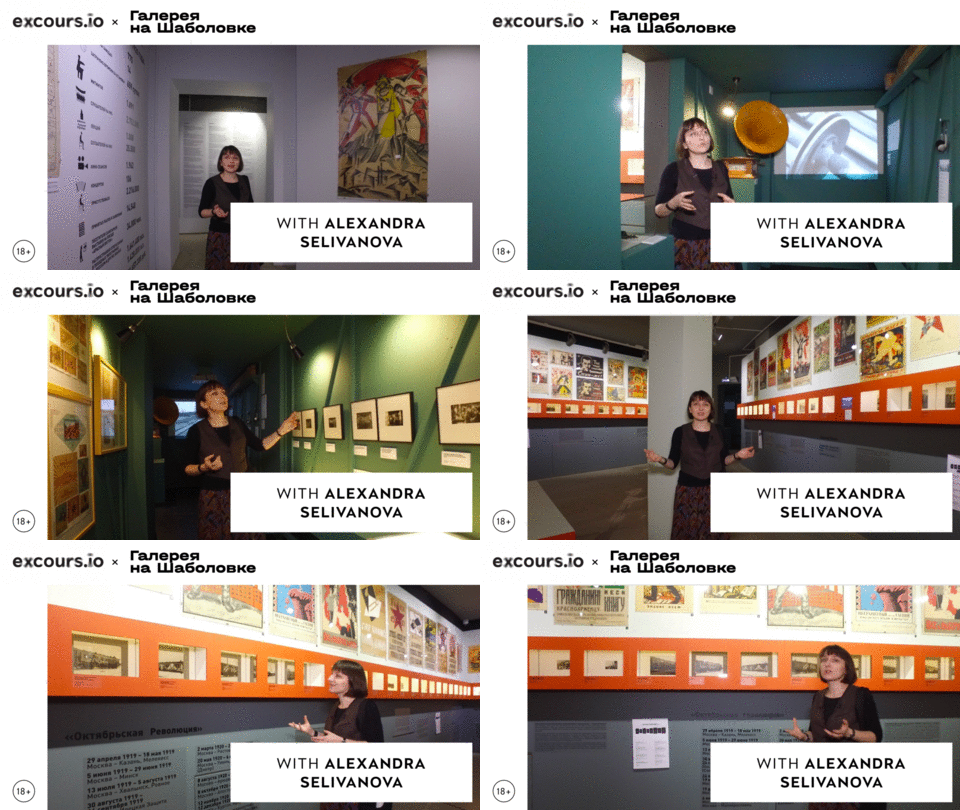
The exhibition delves into a groundbreaking aspect of Russian cultural history birthed from the revolution—mobile propaganda trains. These unique vehicles served as a fusion of art and technology, transforming into vibrant mobile platforms that combined exhibitions, theater, libraries, and cinema on wheels. Launched in 1918 under the directive of the All-Russian Central Executive Committee, these trains traversed vast distances, reaching from Odessa to Irkutsk and engaging communities with their painted exteriors and rich artistic content. Supervised by renowned graphic artist Ignatiy Nivinsky, the trains featured contributions from a diverse array of artists, blending Symbolism with early avant-garde ideas. This exhibition promises an in-depth exploration of their socio-political significance during the Civil War, showcasing archival photos, posters, and various artifacts that capture the ethos of an era where art became instrumental in uniting and inspiring a nation.
Why should you watch this?
Watching a guided tour of this exhibition is particularly essential in today’s context, as it illuminates the enduring power of art as a vehicle for social change and collective identity. In a world increasingly fractured by division and misinformation, the exhibition serves as a poignant reminder of how creative expression can be mobilized to unite communities and convey critical messages. As contemporary society grapples with its own political upheavals, understanding the historical context of these mobile propaganda trains reveals the importance of merging various forms of media and art to engage the public constructively. This tour not only highlights the innovative spirit of artists who contributed to the movement but also encourages dialogue about the role of culture in shaping our narratives and responding to social challenges.
BIG D@T@! BIG MON€Y!
Germany
Leipzig
2020
55
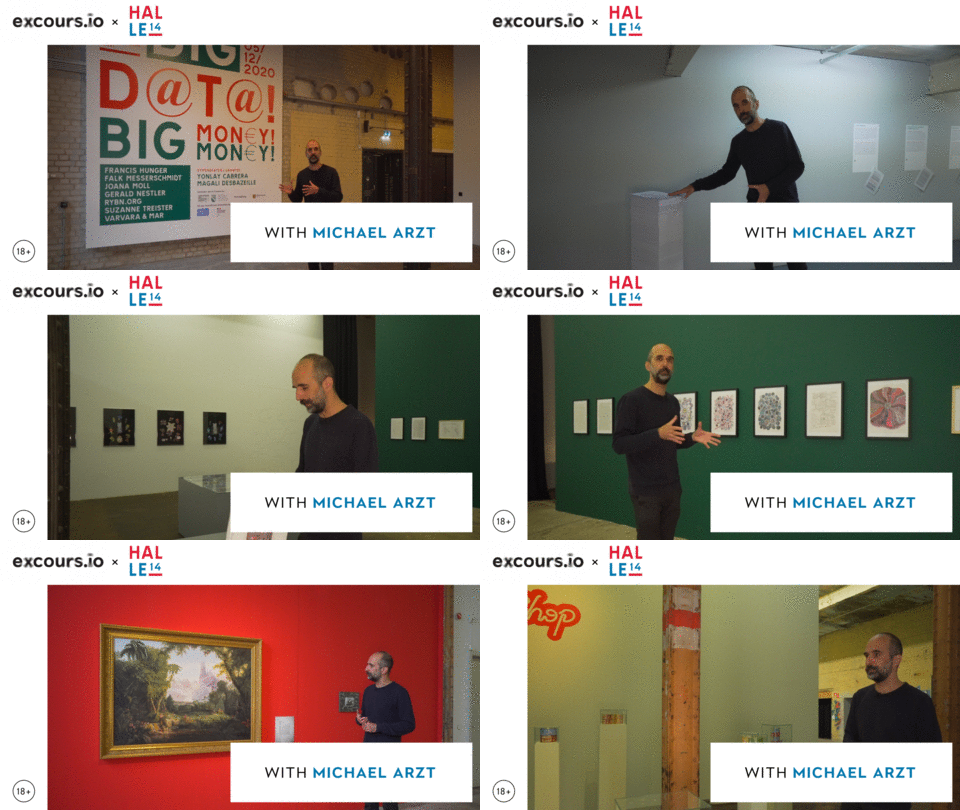
BIG D@T@! BIG MON€Y! is a bold, thought-provoking exhibition that explores the intersection of data, finance, and digitalization. Featuring seven artists and collectives, the works explore how our everyday digital footprints and the rise of cryptocurrencies are reshaping economies, identities, and power structures. Through projects like a speculative trading AI, a data-driven remake of classic art, and an analysis of the hidden infrastructure behind Amazon transactions, the exhibition sheds light on the often-invisible forces governing our digital lives. In an era of increasing surveillance and technological control, the exhibition raises critical questions about freedom, privacy, and the future of society.
Why should you watch this?
Tobias Zielony. Maskirovka [Concealment]
Germany
Berlin
2018
37
Why should you watch this?
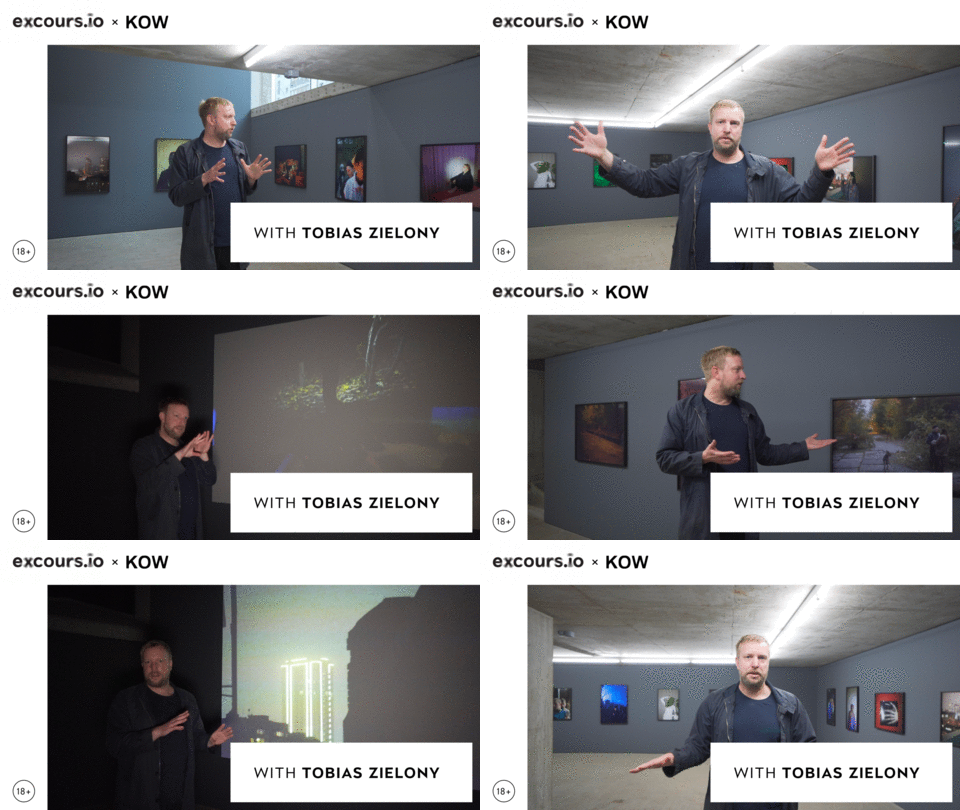
Tobias Zielony’s “Maskirovka” is a compelling reflection on the resilience and creativity of Kyiv’s queer techno scene, resonating profoundly in today’s world marked by social and political upheaval. Set against the backdrop of the post-Maidan era, this exhibition underscores the ongoing struggle for identity and belonging in the face of repression and misinformation, themes that echo in various global contexts today. By employing the concept of “maskirovka”—a tactic of deception used in conflict—Zielony captures how both artists and activists navigate the complexities of expression and resistance. His photographs and dynamic animated film form a visual narrative that invites critical reflection on the intersection of culture, politics, and personal agency. As societies grapple with fragmentation and polarization, “Maskirovka” reminds us of the power of art to forge connections, challenge norms, and provoke dialogue, making it an essential commentary on contemporary struggles for freedom.

When I see the future, I close my eyes: Chapter II
Germany
Berlin
2023
45
Why should you watch this?
“Your Feedback is Very Important for Us”
Russia
Moscow
2018
47
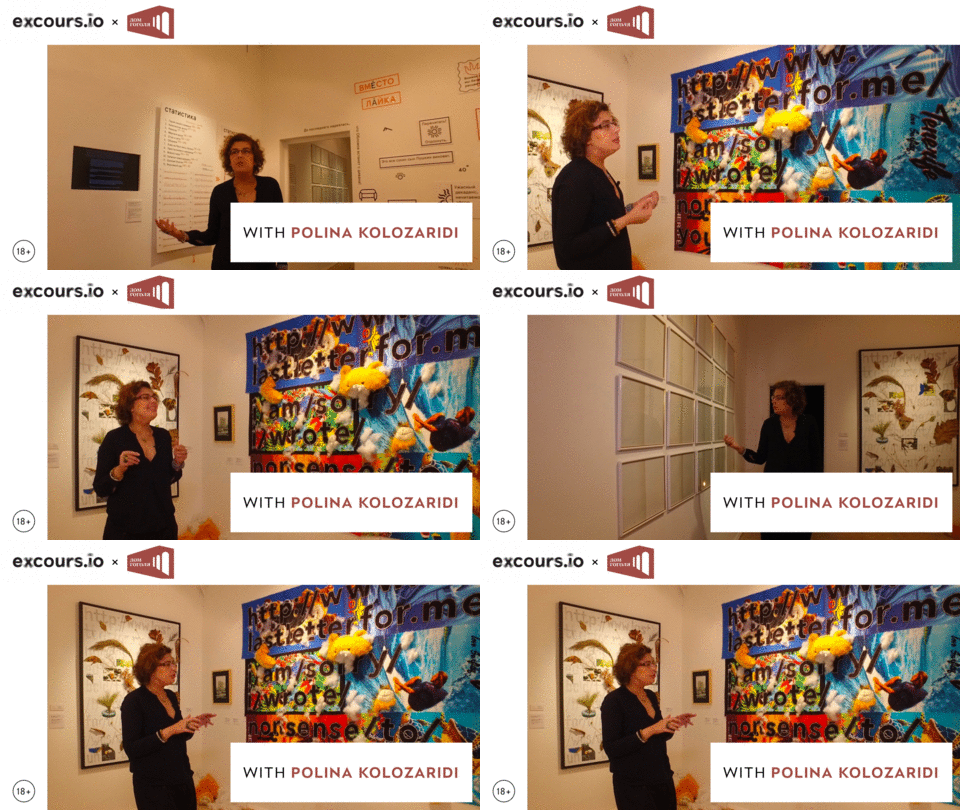
The exhibition “Your review is very important to us” delves into the evolving landscape of reader engagement with classical literature, inviting visitors to explore how expressions of opinion have transformed from the 19th century to today’s digital era. Through a compelling blend of research by philologist Anna Gerasimova and innovative works from contemporary Russian artists, the show raises thought-provoking questions about the interplay between amateur reviews and literary criticism. Viewers will experience how machine learning interprets text, engage with an audio installation that echoes voices from the past and present, and even connect Nabokov’s correspondence to modern digital discourse.
Why should you watch this?
The exhibition “Your review is very important to us” holds significant relevance in today’s digital landscape, where reader voices and online reviews have transformed the way we engage with classical literature. In an age that celebrates individual expression, the show challenges traditional hierarchies of literary criticism by emphasizing the importance of personal perspectives alongside established viewpoints. It invites us to reflect on how technology, from machine learning to social media, reshapes our interaction with texts and broadens our understanding of art and literature. By highlighting the dynamic relationship between modern readers, artists, and classical works, this exhibition not only redefines the role of the audience in literary discourse but also underscores the importance of diverse interpretations in a cultural dialogue increasingly shaped by digital platforms.
CLUBS of the FUTURE. Common Spaces in Transitional Societies
Germany
Berlin
2024
54
Why should you watch this?
Clemens von Wedemeyer – Mehrheiten [Majorities]
Germany
Leipzig
2019
27
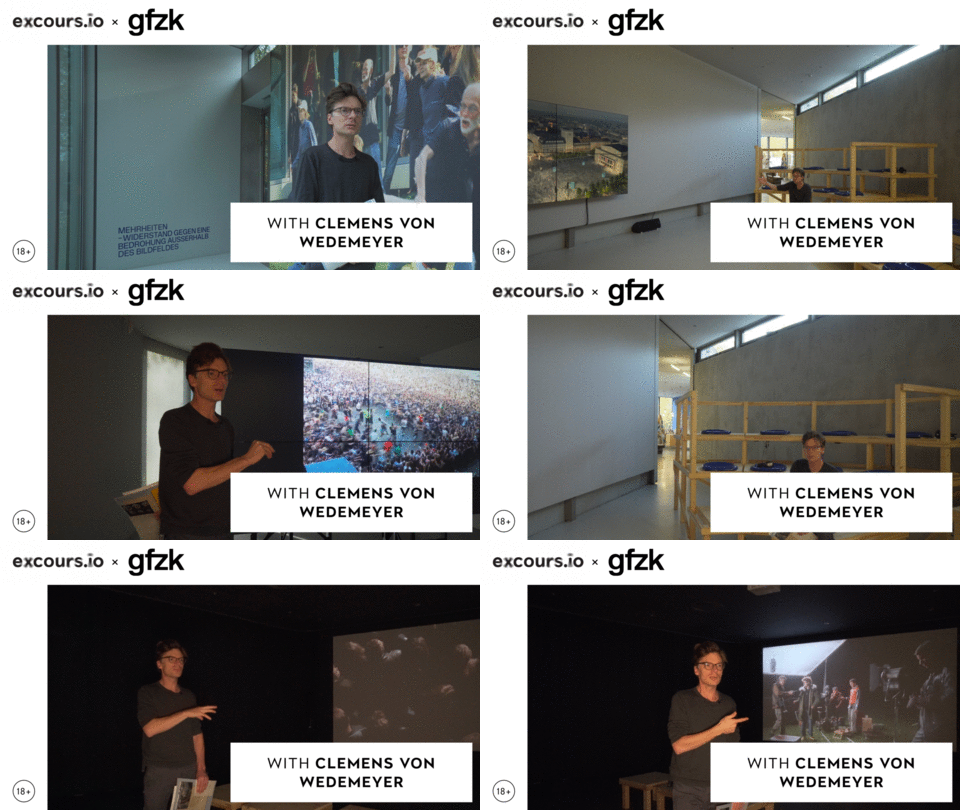
The exhibition critically examines the evolution of mass mobilization and crowd dynamics in both historical and contemporary contexts, drawing inspiration from Elias Canetti’s “Crowds and Power.” Set against the backdrop of the GfZK’s new architectural space, the exhibition engages with the complexities of collective action, exploring how digital public spheres shape democratic participation while simultaneously being exploited for exclusionary practices. Featuring a rich array of video installations and cinematic works, including the new production “70.001,” which reimagines the 1989 Leipzig demonstrations, “Majorities” invites reflection on the nuances of social behavior and the implications of simulated experiences in gaming and surveillance. Through this thoughtful presentation, Wedemeyer prompts us to consider the intertwining narratives of isolation and community, resonating powerfully in today’s fragmented society.
Why should you watch this?
Watching this guided tour is crucial in our current landscape marked by digital polarization and the resurgence of mass movements. As societies grapple with issues of identity, representation, and exclusion within online spaces, this exhibition offers a vital framework for understanding how crowd dynamics shape our collective psyche and political discourse. In an age where social media can amplify divisive ideologies, gaining insights into the historical and psychological underpinnings of mass mobilization is essential. The tour encourages participants to critically examine how these dynamics operate today, heightening awareness of the fine line between community engagement and manipulation. By exploring these themes, viewers are invited to reflect on their agency within the digital public sphere, making the experience not just an exploration of art and history, but also a compelling call to engage thoughtfully in the ongoing dialogue about democracy and social responsibility in our interconnected world.
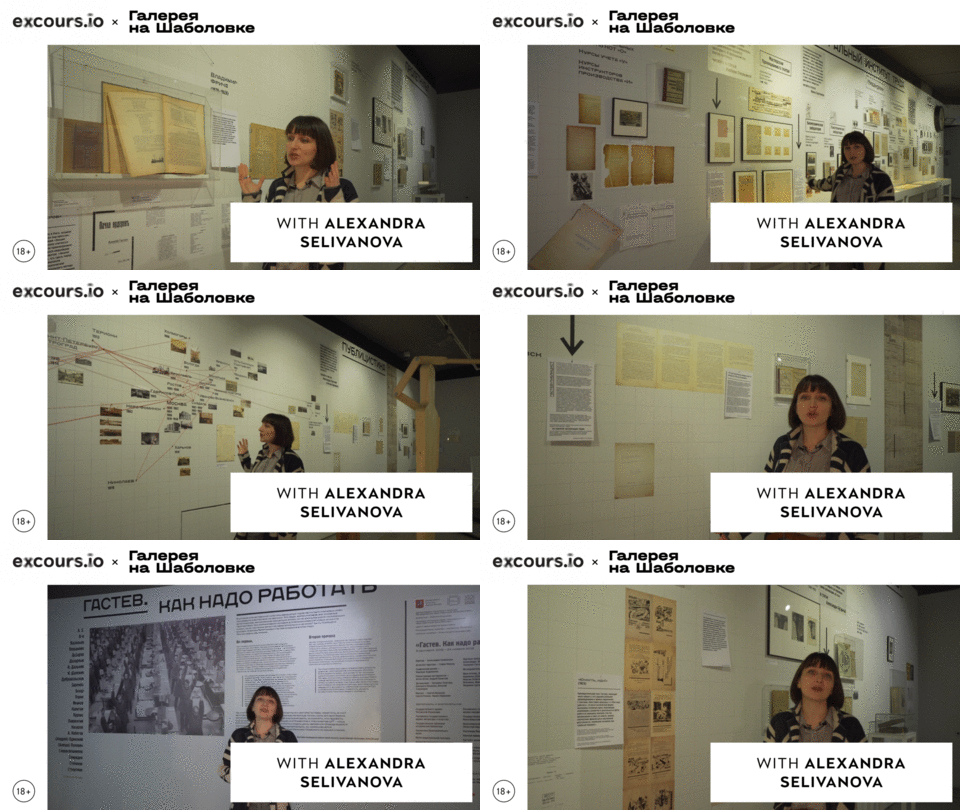
GASTEV. How to Work
Russia
Moscow
2019
66